Are Fender Benders Worth Reporting
Report it if there's any injury, real damage, or disagreement about fault, otherwise you can often handle it directly.
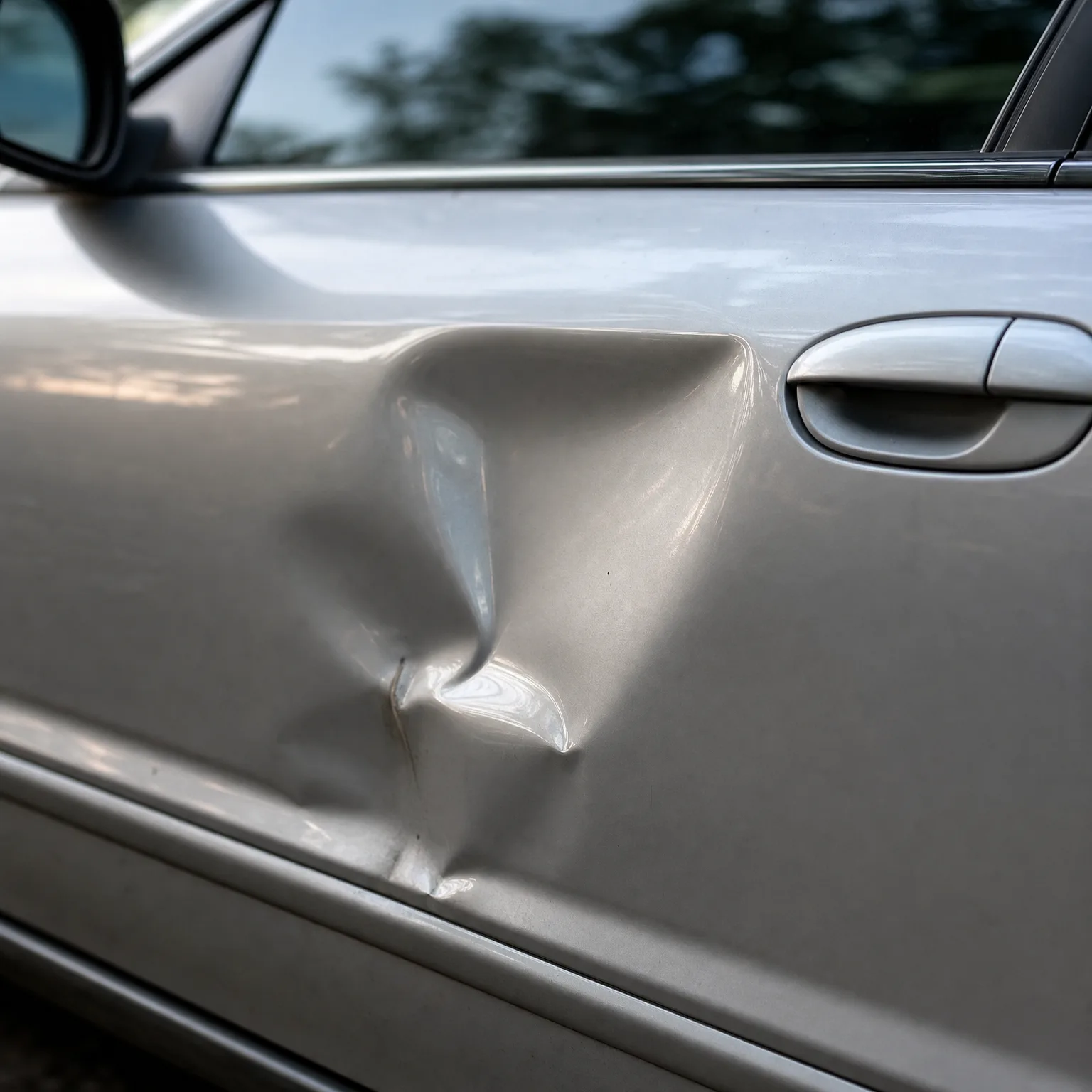
A parking lot tap with a dented bumper
You're backing out of a space at the pharmacy and tap another car's bumper. No one is hurt, the other driver is calm, and the damage looks like a small dent and some scraped paint. You both get out, look at it together, and exchange names and phone numbers along with insurance information, just in case.
You take photos of both cars and the position they were in, then talk it over. The other driver says they'll get a repair estimate before deciding anything. A few days later they call to say the shop quoted a small repair cost, and they'd rather you just pay it directly than file a claim. You agree, pay it, and get a signed note saying the matter is settled. Your policy stays untouched, and your renewal reflects nothing out of the ordinary.
Will reporting a small accident raise your rate even if you don't file a claim?
Simply reporting an incident, without filing a claim or having your insurer pay out, usually does not affect your rate by itself. Insurers track claims, which are requests for payment, not just phone calls or records of an incident.
That said, some insurers keep internal notes on reported incidents even without a claim, and a pattern of reports over a short period can draw attention at renewal time, regardless of whether money changed hands. The safest approach is to ask your insurer directly how they define a reportable incident versus a claim, since this distinction varies by company. If you're unsure whether something counts, ask before you decide whether to call it in.

The real question is whether something could surface later with no record to back you up.
Once you've decided whether this fender bender is worth reporting, compare quotes to see what it means for your rate.

Deciding whether to call your insurer about a small accident
If you do
You create an official record with time, location, and details while they're fresh. If the other driver later claims more damage or an injury appears, you're protected. Your insurer can guide you on whether it needs to become a formal claim, and you keep the option open without committing to anything yet.
If you don't
You avoid any chance of it affecting your file, and if everything stays resolved between you and the other driver, nothing more happens. But if they change their story later, or new damage or pain shows up, you have no record and no backup, and proving what happened becomes much harder.

What actually determines if this is worth reporting
- Anyone hurt, even slightly Injuries can take days to show up, especially soft tissue pain. If there's any chance someone was hurt, report it so there's a record tied to the date of the accident.
- Who's at fault isn't clear If you and the other driver see it differently, don't try to settle it yourselves. Report it so your insurer can help sort out fault with evidence, not memory.
- Cost of the damage Small cosmetic damage you could pay out of pocket is different from a repair that would strain your budget. Get an estimate before you decide how to handle it.
- State reporting rules Some states require police or DMV reports above a certain damage threshold, regardless of what you and the other driver prefer. Check your state's rule before deciding to handle it privately.
- Your own coverage needs If you want your insurer to pay for your own car's repair, you need to file a claim, not just report an incident. Make sure you understand which one you actually need.
Does my insurance go up if the other driver was at fault?
Usually not, if your insurer's records clearly show the other driver was responsible. Many policies have accident forgiveness or simply don't penalize you for incidents that weren't your fault, but this protection varies by insurer and sometimes by state, so ask your company directly how not-at-fault accidents are treated on your policy and whether anything needs to be requested or confirmed in writing.
Can the other driver come back later and ask for more money?
Yes, which is why documentation at the time matters so much. If you settled privately without a written agreement, the other driver could later claim additional damage or injury and you'd have little to point to. A signed statement, photos, and dated notes protect you either way, and if you didn't get those, consider reporting the incident even after the fact so there's some record on file.
What should I do if I'm not sure the damage is covered?
Call your insurer and ask before you pay for anything yourself. Coverage depends on your specific policy, including deductibles and what counts as covered damage, and this varies by insurer and by state. Describe what happened and ask them directly whether it would be covered, what the process looks like, and what it would cost you to find out, so you're deciding with full information instead of guessing.