Are There Glasses That Reduce Headlight Glare at Night
No lens can remove glare, but the right eye exam and the right lenses can reduce how much it bothers you.
Glare comes from your eyes, not from what's on them
Headlight glare feels worse as you get older because the lens inside your eye changes. It scatters light more than it used to, especially if you have the early stages of a cataract, and no pair of glasses sitting outside that lens can undo that scattering. Yellow-tinted "night driving" glasses are sold as a fix, but they mostly just dim everything, including the road signs and lane markings you need to see.
What actually helps is making sure the prescription you're driving with is current and that any glare-causing conditions are caught early. An outdated prescription is a common, fixable reason night driving feels harder than it used to. A proper anti-reflective coating on your regular lenses also helps, because it cuts the glare that bounces around inside the lens itself rather than trying to block light from reaching your eye.
Cataracts are the other big piece. They're extremely common at this age and they make oncoming headlights look like they're flaring or starbursting. This is treatable, often with a short outpatient procedure, and many people notice a real difference in night driving afterward. An eye doctor can tell you during a regular exam whether this is part of what you're dealing with.
Where this plays out differently is in how much night driving matters to you. If you rarely drive after dark, a mild amount of glare might just be something to live with and plan around. If you drive at night often, for church, family, or anything else, it's worth being more thorough about ruling out a fixable cause rather than assuming it's just part of getting older.
What actually helps with headlight glare
- Get an eye exam An outdated prescription is one of the most common, fixable causes of worse night vision. Schedule a full exam and ask specifically about glare and night driving.
- Ask about cataracts Cataracts often show up first as glare or halos around headlights. Your eye doctor can check for this during a routine exam, well before it affects daytime vision.
- Choose anti-reflective lenses This coating cuts glare that bounces inside your own lenses, which is different from blocking outside light. It's the one lens feature with real evidence behind it.
- Skip the yellow-tinted glasses These dim everything, including signs and lane lines, rather than reducing glare itself. Save the money and put it toward a proper exam instead.
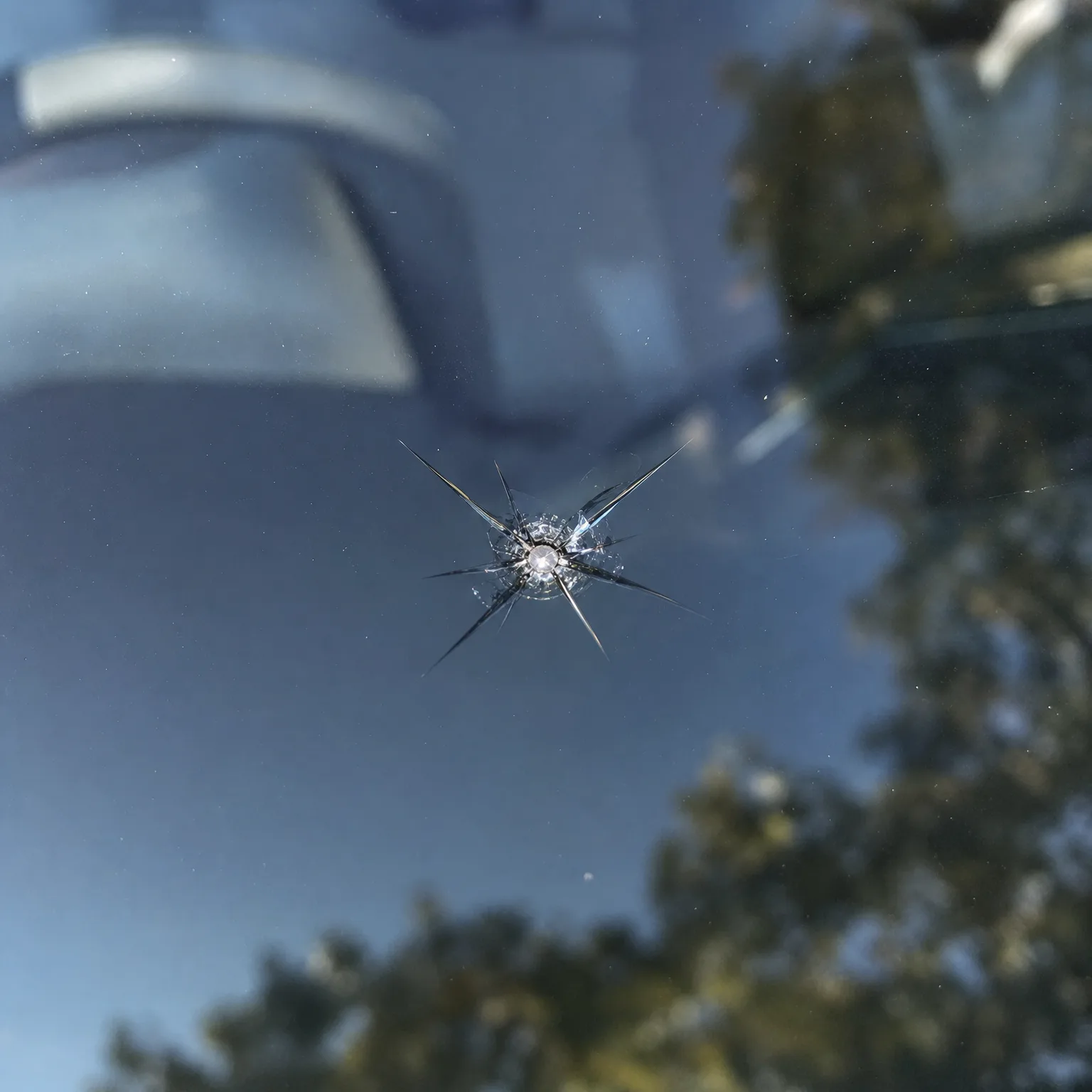
- Clean your windshield A hazy windshield or foggy headlight covers scatters light and makes glare worse. This is a simple, free thing to check before assuming it's your eyes.
The fix for headlight glare is usually an eye exam, not a pair of glasses off a shelf.
Once you know what's behind your glare, compare quotes to see if safer night driving also means a better rate.

When glare turned out to be something treatable
A driver in her early 80s noticed headlights looked like they had starbursts around them, and she'd started avoiding evening church events because of it. She'd already bought a pair of yellow night-driving glasses from an ad, and they hadn't helped much. She mentioned it to her eye doctor at what she thought was a routine checkup.
The exam found an early cataract in one eye. It wasn't affecting her daytime vision yet, but it explained the glare. She scheduled the outpatient procedure a few months later, during a time that worked around her schedule. Afterward, the starburst effect was gone and she went back to driving to evening events without planning around it. The whole process started with one exam she almost didn't think was necessary.
Does car insurance cost more if you have cataracts?
Not directly. Insurers price based on your driving record and claims history, not a diagnosis by itself. What can raise your rate is a ticket or accident linked to vision problems, so getting cataracts checked and treated protects both your safety and your record. Ask your insurer what they consider if you're unsure.
What is the best type of headlights for older drivers to look for in a car?
Adaptive or well-aimed LED headlights tend to cause less glare for oncoming drivers and give you better visibility yourself. Poorly aimed or very bright aftermarket headlights are often the worst offenders. If you're shopping for a vehicle, ask to test drive it at night and pay attention to how the headlights feel from both sides.
Should I stop driving at night if headlight glare bothers me?
Not necessarily, but it depends on what's causing the glare. If it's a fixable issue like an outdated prescription or early cataract, treating it may solve the problem entirely. If glare persists after a full eye exam and correction, limiting night driving to routes and times you're most comfortable with is a reasonable middle ground.