At What Age Should You Stop Driving at Night
There's no specific age. The right time is when your own night vision and reaction time, not your birthday, say so.
Why it comes down to your eyes, not your birth year
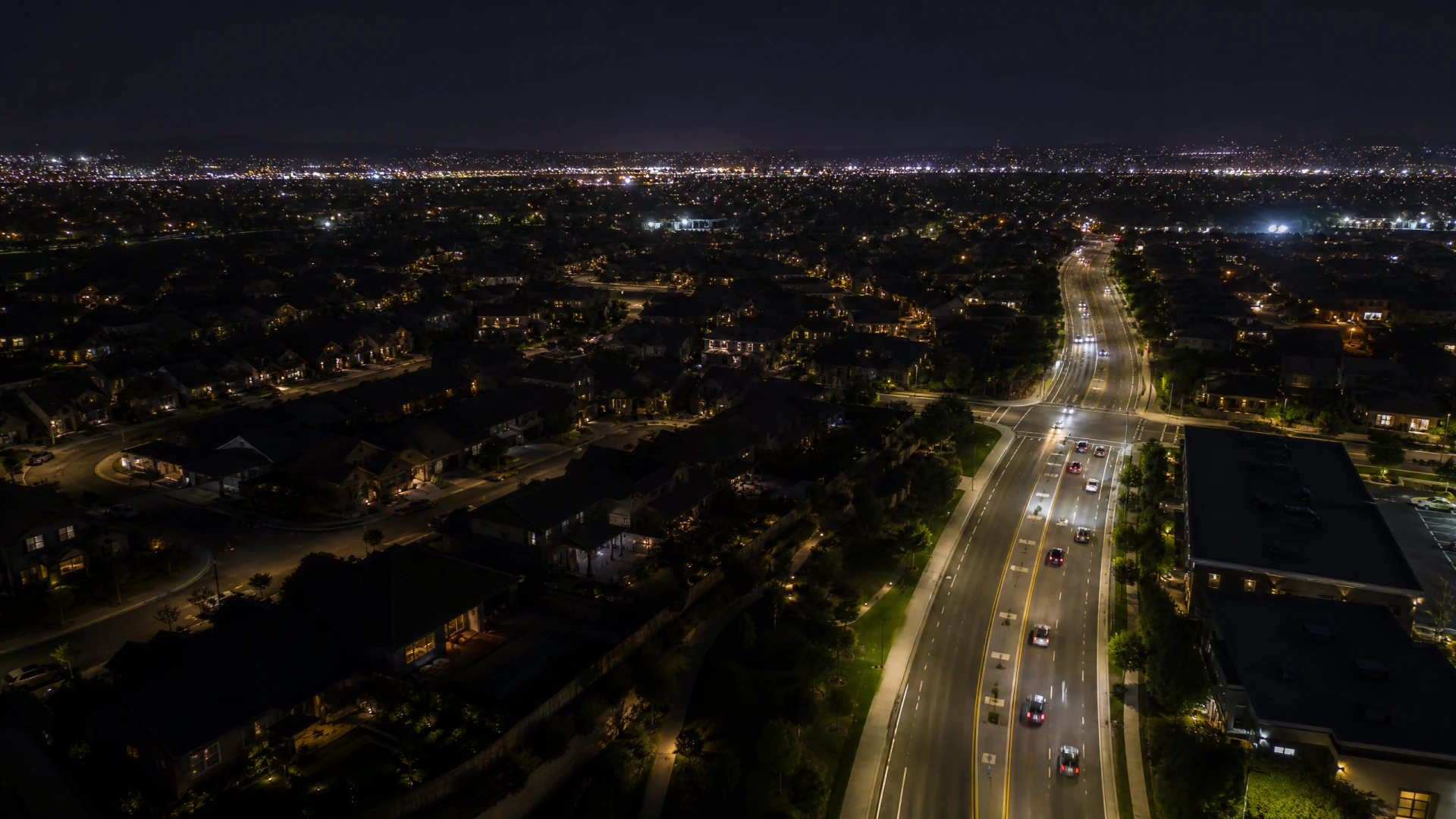
Insurers and license agencies don't set a night driving cutoff by age because age alone doesn't predict how someone handles darkness behind the wheel. Two drivers born the same year can have completely different night vision, reaction speed, and glare sensitivity. What actually changes with age, for most people, is that the eye needs more light to see clearly and takes longer to recover from headlight glare. That's a real shift, but it happens on a different timeline for everyone.
This is why the honest answer is a self check rather than a number. Pay attention to specific signs: halos around headlights, trouble judging distance in the dark, feeling more tense or tired driving at night than you used to, or needing to slow down more than other traffic to feel in control. Any one of these is worth noticing. Several together are worth acting on.
State rules vary on how this gets handled officially. Some states add restrictions to a license, like daylight only, based on a vision test or a doctor's note. Others leave it entirely to the driver's judgment unless a specific medical condition is reported. Check with your state's license agency to see whether a restricted license is even a path there, since in some places it isn't offered at all.
Insurers look at this differently than the license agency does. They care about your driving record and how you're classified, not your habits after dark. Choosing to drive less at night doesn't usually change your rate directly, but staying crash and violation free does. The two systems, licensing and insurance, are answering different questions even though they both touch on age.
Will giving up night driving affect my car insurance rate?
Not directly. Insurers set your rate based on your driving record, the car you drive, where you live, and how you're classified as a driver, not on which hours of the day you choose to drive.
There's an indirect effect worth knowing about. If cutting back on night driving helps you avoid an accident or a claim, that protects your record, and a clean record is what keeps your rate from rising. So the benefit shows up later, through a record that stays clear, not as an immediate discount for the choice itself. If you're ever unsure whether a change in your driving habits is reflected anywhere on your policy, ask your insurer directly what they track.
Once you know how your night vision is holding up, compare quotes to be sure your coverage still fits how you drive.

Cutting back on night driving when your eyes ask for it
If you do
You plan errands, visits, and events earlier in the day. You feel less tense after sunset because you're driving less then. Your record stays clean since you're avoiding the conditions that challenge you most. You're still driving, just on your own terms, a choice you made yourself.
If you don't
You keep driving at night as usual, even as glare and slower reaction time quietly make it harder. Small close calls might happen without you fully noticing why. Over time this raises the chance of an incident affecting your record, one you could have steered around sooner.
What to weigh before you decide about night driving
- Get your eyes checked An actual vision exam tells you more than guessing. Ask specifically about glare recovery and contrast sensitivity, not just the standard reading chart.
- Notice your own signs Halos, squinting, tension, or slowing down more than traffic are signals. Track them for a few weeks instead of relying on memory.
- Check your state's rules Some states allow a restricted license for daylight only driving. Call your license agency to see what's offered and what triggers it.
- Reframe driving less Choosing not to drive at night isn't a step down, it's a judgment call. Treat it as route planning, not as giving something up.
- Ask your insurer what counts Ask what they actually track and whether your habits affect coverage. This clears up worry that isn't based on how rates really work.
The deciding factor isn't your age, it's what your own eyes tell you after dark.