At What Car Value Should You Drop Full Coverage
Drop full coverage once your car's value falls below what you'd pay in premiums over the next few years for that coverage.
What to weigh before you drop full coverage
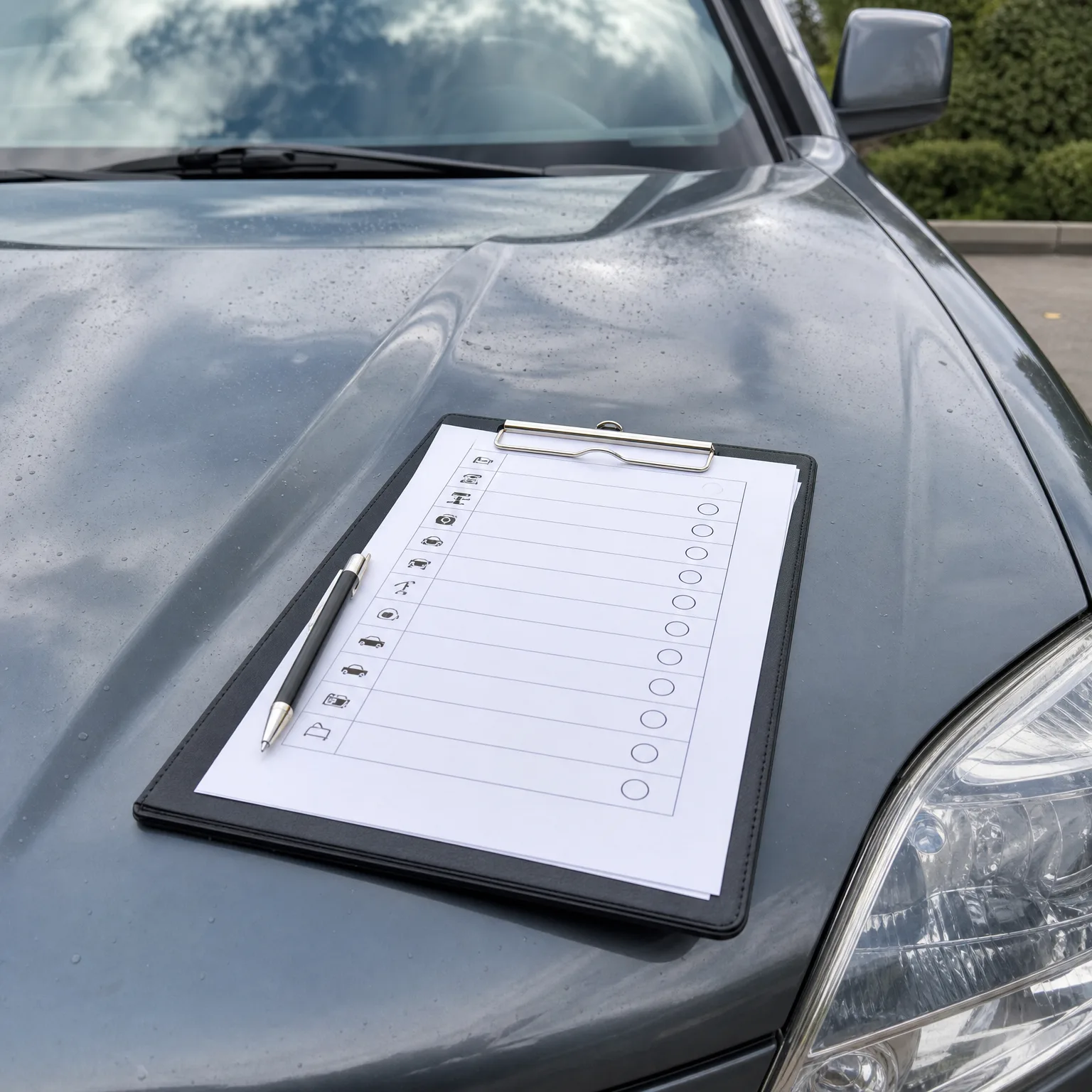
- Know the payout number Find your car's actual cash value, not what you paid or what you feel it's worth. That number is the most an insurer would ever pay out, so it anchors the whole decision.
- Compare cost to payout Add up what you pay yearly for comprehensive and collision together. If that cost approaches a meaningful share of the car's value each year, the coverage is working against you.
- Check your loan status If you still owe money on the car, your lender likely requires full coverage no matter the value. Paying off the loan is what gives you the choice to drop it.
- Think about replacement cost Consider what it would cost you to replace the car out of pocket if it were totaled tomorrow. If you could absorb that without strain, dropping coverage carries less risk.
- Revisit this every renewal Car values drop each year while premiums can rise, so last year's answer may not hold. Check the math again at every renewal instead of assuming it's settled.
A paid-off car that quietly stopped earning its coverage
You've been driving the same car for a long time and it's paid off. At your last renewal you noticed the premium for comprehensive and collision had crept up again, even though nothing about your driving changed. You pulled up your car's current value using a standard valuation tool and were surprised how low it had fallen compared to what you remembered paying for it.
You sat down and compared the yearly cost of full coverage against that value. The coverage was costing you a real chunk of what the car was worth every single year, and that gap would only grow as the car kept depreciating. You called your agent, dropped comprehensive and collision, and kept liability in place. The premium dropped right away, and you put the difference into a small savings set aside in case you ever need a replacement car.

Dropping comprehensive and collision on an older car
If you do
Your premium drops right away since you're no longer paying for payout protection the car barely justifies. If it's stolen, flooded, or totaled, you cover the loss yourself. You keep liability, so you're still covered for damage you cause to others.
If you don't
You keep paying a premium that may cost more each year than the payout you'd ever receive. If the car is totaled, you get a check for its current value, which may be little more than what you paid for coverage. The protection stays the same, but it keeps getting less worth the price.
Once you know whether your car still justifies full coverage, compare quotes to see what that choice actually costs you.
Why the math flips as a car ages
Full coverage exists to protect the car's value, not to protect you from liability or to satisfy a rule. An insurer will never pay out more than what your car is currently worth, no matter how much you paid for it originally or how much the premium costs. As the car ages, that ceiling keeps dropping while the premium often doesn't drop at the same pace, which is what breaks the math over time.
Underneath this is a simple trade. You're paying a yearly cost for the chance of a payout that keeps shrinking. Early in a car's life that trade makes sense because the potential payout is large. Late in a car's life the trade can flip, where you'd pay more in premiums over a few years than you'd ever collect if something happened to the car.
This works out differently depending on your situation. If you have a loan or lease, the lender sets the requirement and you don't get to make this call until it's paid off. If you couldn't easily replace the car out of pocket, keeping coverage can still make sense even on an older car, because the question isn't only about the math, it's about what a sudden loss would do to you.
State rules don't set this threshold, and no insurer publishes a fixed value where you should drop coverage. It's a decision you make by comparing your own numbers, and it's worth redoing at every renewal since both sides of that comparison change every year.
The payout caps at today's car value, so judge the premium against that number, not what you paid.
How do I find out what my car is actually worth now?
Use an online vehicle valuation tool that asks for your car's year, make, model, mileage, and condition, since these give a current market estimate rather than a guess. Check more than one source if you can, since estimates vary. What changes the answer is condition and mileage specifically, since two cars of the same age and model can have very different values if one was well maintained and the other wasn't.
Will dropping full coverage lower my rate a lot or a little?
It depends on your car, your driving record, and where you live, so there's no fixed amount to expect. Comprehensive and collision together usually make up a real portion of your total premium, so dropping both tends to produce a noticeable drop, while dropping just one makes a smaller difference. Ask your insurer for a quote with and without that coverage so you see the actual number for your policy.
What happens to a loan payoff if I drop coverage too early?
If you drop comprehensive or collision while you still owe money on the car, you risk violating your loan agreement, since lenders usually require it until the loan is paid off. Check your loan or lease paperwork for the exact requirement before making any change. Once the loan is paid off in full, the requirement goes away and the decision becomes yours alone.