Can a Dashcam See Inside a Car
Most dashcams can see inside the car if they have a second, cabin-facing lens built in or added separately.
A second lens is what lets a dashcam see inside the car
A standard dashcam points through the windshield and records the road ahead. Seeing inside the car requires a different camera, usually mounted near the rearview mirror or on the dash, angled back toward the driver and front passenger seat. Many dual-lens dashcams sold today include this second camera as a standard feature, not an add-on, because manufacturers built them for rideshare and delivery drivers who want proof of what happened in the cabin.
The cabin camera usually includes infrared or low-light sensors, since interior lighting at night is too dim for a normal lens. This is why these cameras can often show a clear image of the driver's face even in the dark, something a windshield-facing camera cannot do. The two lenses record separately or combine into a split-screen video, depending on the model.
What the footage captures and how long it's kept depends on the camera's settings, not on any law. Some dashcams only save cabin footage when triggered by sudden motion or impact. Others record continuously and overwrite old footage on a loop. You control this through the device itself, not through your insurer or any outside rule.
Where this varies is in how your state treats audio recording and how your insurer treats this footage as evidence. Some states require consent from everyone recorded if audio is involved, so check your state's rules before recording conversations inside the car. Insurers also differ in whether they'll accept cabin footage as proof of safe driving or a clean record, so ask directly rather than assuming.
A driver wanted proof after a questioned fender bender
A driver in her 80s was involved in a minor parking lot collision where the other party claimed she'd been distracted. She had a dual-lens dashcam installed the year before, mainly because her son suggested it after reading about rising rates for older drivers. She hadn't thought much about the interior camera until this moment, assuming only the road-facing lens mattered.
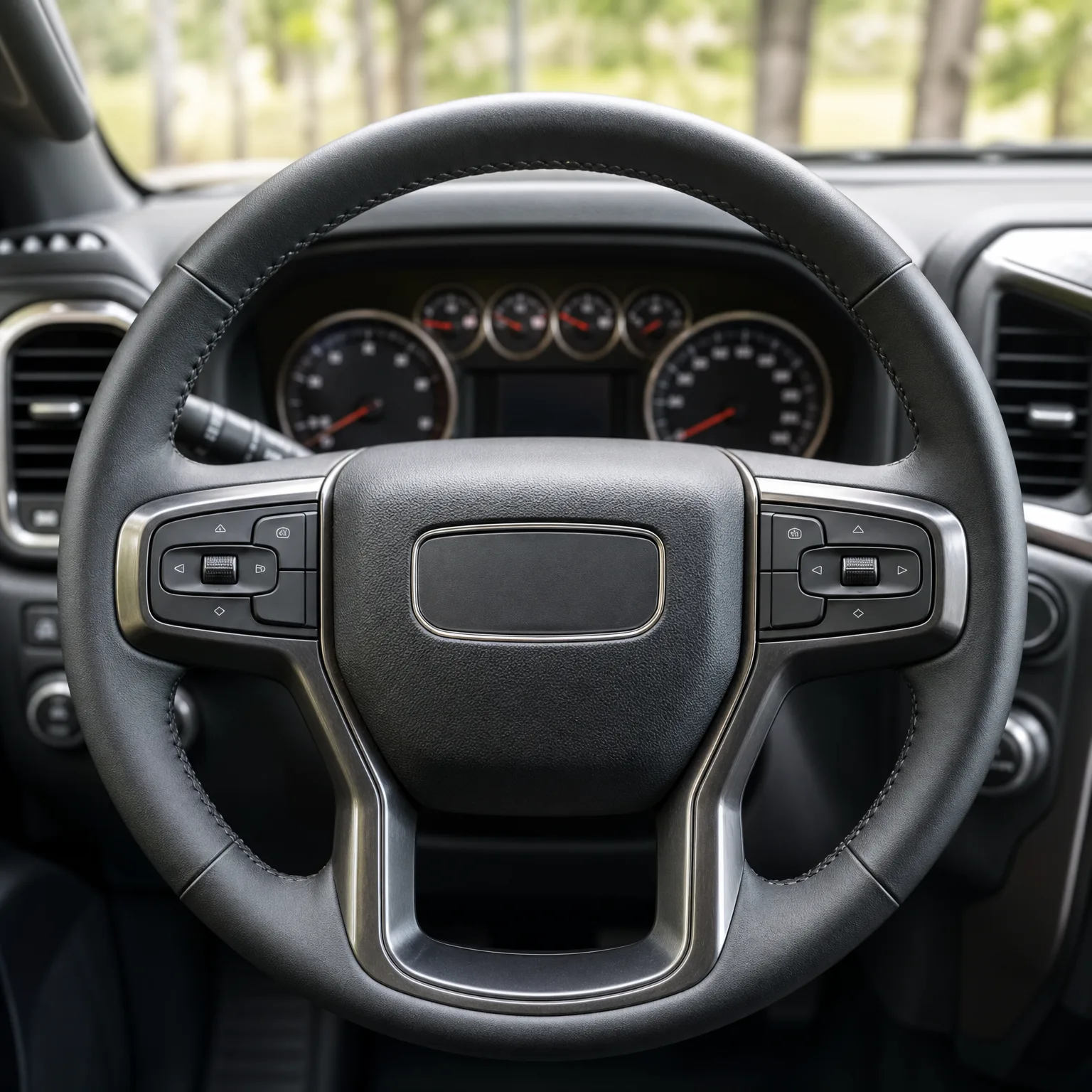
When she reviewed the footage with her insurer, the cabin view showed her hands on the wheel, eyes forward, in the seconds before impact. It settled the question of fault quickly, without her having to argue her own account against the other driver's. She later said the deciding factor wasn't the camera catching the crash itself, but the interior view proving she was alert and attentive right up to the moment it happened. That clarity became more valuable to her than the brief inconvenience of setting the camera up.
Will interior dashcam footage affect my insurance rate?
It depends entirely on the insurer, and most don't have a formal policy either way. Some may consider submitted footage as supporting evidence after a claim, which can help if it shows you driving safely and attentively. Few, if any, use dashcam footage to raise your rate on its own, since routine footage without an incident isn't something insurers typically ask to see.
The more common effect is indirect. If footage helps resolve a claim in your favor or clears you of fault, that can prevent a rate increase that would otherwise follow an at-fault accident on your record. Ask your insurer directly whether they accept dashcam footage as evidence and whether having one documented affects how they evaluate your driving record over time.
Now you know what a cabin dashcam shows, compare quotes to see how documented safe driving affects your rate.
Do I need to tell my insurer I have a dashcam?
Usually not required, but it doesn't hurt to mention it. Dashcams aren't typically listed as a factor insurers ask about directly, since they don't affect your risk profile the way your driving record or vehicle type does. Some insurers do have discount programs tied to safe-driving documentation, so ask whether a dashcam qualifies. If you ever plan to submit footage after a claim, mentioning it upfront makes that process smoother. Check with your specific insurer since policies on this vary.
Can passengers object to being recorded by my interior dashcam?
Yes, and in some states they have a legal right to object or require your consent first. Laws about recording people, especially with audio, differ significantly by state, with some requiring all parties to agree before being recorded. Check your state's specific consent laws before relying on audio recording for anything important. If you regularly drive others, consider a visible sign or simply telling passengers the camera is running, since this avoids disputes later and keeps things straightforward.
Will a dashcam help lower my insurance rate as an older driver?
It can help indirectly, though it's rarely a direct discount on its own. Some insurers offer safe-driver discounts tied to telematics or dashcam programs that monitor driving behavior over time. Ask your insurer whether they have such a program and what it requires. The more reliable way a dashcam helps is by providing evidence after an incident, which can prevent a rate increase tied to a disputed or wrongly-assigned at-fault accident.
A dashcam's interior view isn't about being watched, it's about having proof exactly when you need it most.