Can I Stop Paying Insurance on a Car I Do Not Drive
You can usually drop or reduce coverage on a car you're not driving, as long as you handle the title and storage the right way.
When a parent's old car sits in the garage
A driver in their 80s stopped driving a second car after a health change but kept it in the garage, thinking about giving it to a grandchild eventually. The full policy on it kept renewing at the same price, which felt wasteful for a car that never left the driveway. Before canceling everything, they called their insurer and asked what their options were for a vehicle that wasn't being driven at all.
The insurer explained they could switch that car to a storage or comprehensive-only policy, which keeps protection against theft, fire, and weather, but drops the liability and collision portions tied to driving. This cost less than full coverage and kept the car's insurance history intact, which mattered because a lapse can raise rates later if the car goes back on the road. They kept the registration current in their state, since an uninsured car can still need to stay registered or be formally stored depending on local rules. A few months later, the grandchild was ready to take the car, and reinstating full coverage took one phone call with no coverage gap on record.
The short version
Yes, you can stop paying full coverage on a car you don't drive, usually by switching to storage or comprehensive-only coverage instead of canceling outright. This protects the car and your insurance history while cutting the cost. Call your insurer before you do anything with the title or registration.
What happens to my rates if I cancel instead of reducing coverage?
Canceling outright can create a lapse in your coverage history, and insurers look at that history when they calculate your rates on any future policy, even for a different car. A lapse signals risk to them, regardless of the reason behind it, and it can mean a higher starting rate if you ever insure a vehicle again.
Reducing coverage instead of canceling avoids this entirely, because the policy stays active and continuous, just scaled down to match what the car actually needs. If you're certain you'll never insure another vehicle, a lapse may not matter much to you. But if there's any chance you'll drive again or hand the car to family, keeping continuous coverage, even minimal, protects your rate down the road.
Compare quotes now that you know how to handle a car you're not driving.
What to check before you cancel anything
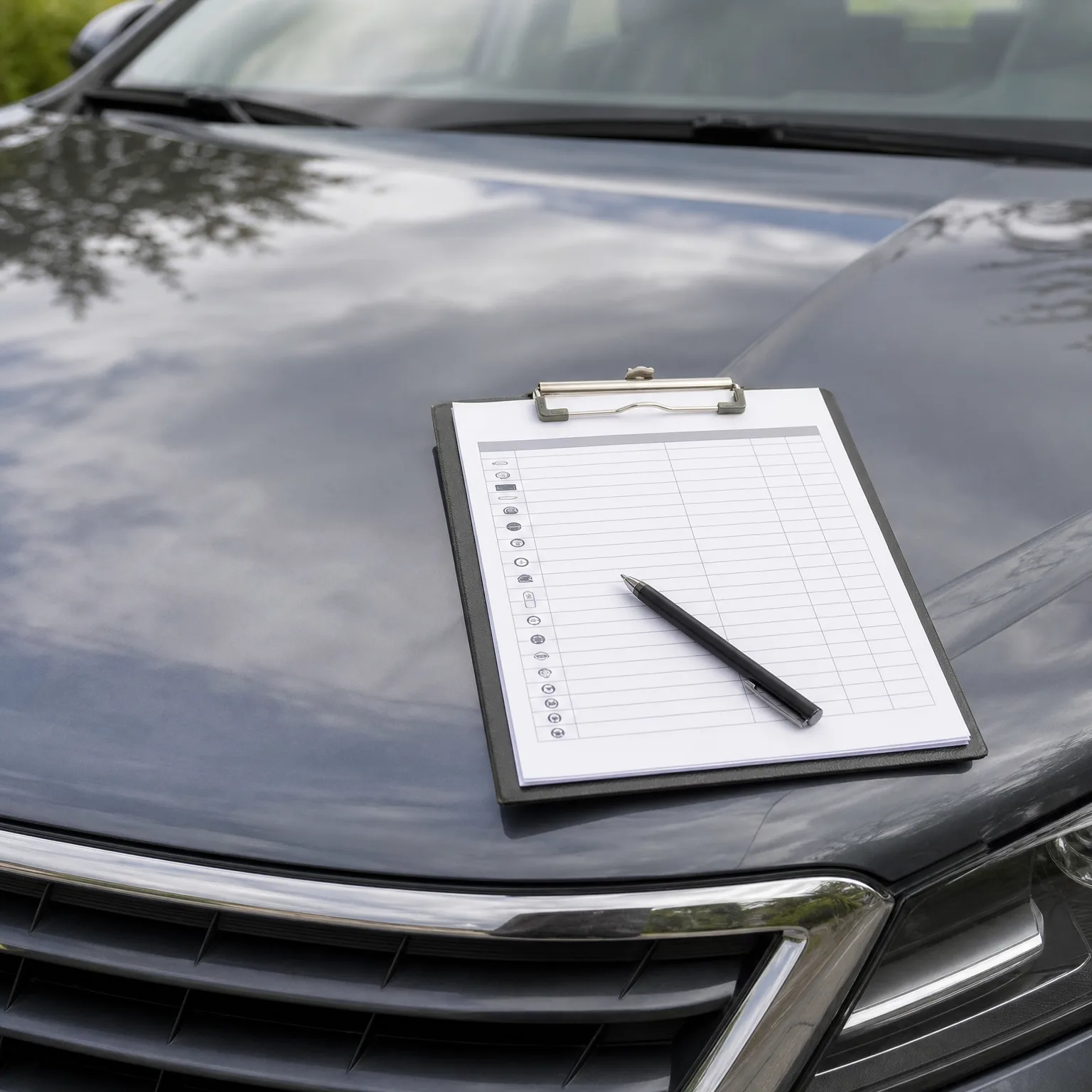
- Ask about storage coverage Most insurers offer a reduced policy for parked cars that keeps theft and weather protection. This usually costs less than full coverage while keeping your insurance history active.
- Check your state's rules Some states require continuous insurance as long as a car stays registered, even if it's not driven. Look up whether you need to surrender plates or file paperwork to legally stop coverage.
- Avoid a coverage lapse A gap in coverage can raise your rate later, even on a different vehicle. If you might drive again someday, reduced coverage protects you better than canceling outright.
- Update the odometer reading Tell your insurer the car is parked and give a current mileage reading. Low or no mileage can lower your premium even if you keep full coverage.
- Confirm the paperwork for good If you're giving up the car permanently, ask your insurer what paperwork closes things out cleanly. This avoids any confusion later about whether the policy was active.
The real choice isn't insured or not, it's full coverage or reduced, and reduced protects you without the gap.