Can Lane Assist Cause an Accident
Yes, lane assist can cause or contribute to a crash, usually by correcting at the wrong moment or by making you trust it too much.

Where lane assist actually goes wrong
- Faded or confusing lane lines Worn paint, construction markings, or snow can make the system read the road wrong. It may pull you toward a line that isn't really there, so stay ready to override it.
- Sudden steering correction The system can tug the wheel right as you're changing lanes on purpose. Always signal and check mirrors so it recognizes a deliberate move instead of fighting you.
- Over-reliance at highway speed Drivers relax their attention because the car seems to be steering itself. Treat it as a backup, not a co-pilot, and keep both hands ready on the wheel.
- System limits in weather Rain, glare, or fog can blind the cameras and sensors it depends on. Know that it may quietly switch off, and don't count on it in poor conditions.
- Insurance claims get complicated If the system contributed to a crash, fault can still fall on the driver. Document what happened and ask your insurer directly how they handle assist-related claims.
Does lane assist lower or raise my insurance rate?
It can do either, and it depends on your insurer, not on the technology itself. Some insurers see lane assist as a safety feature that reduces risk and may offer a discount for it. Others look at claims data showing drivers over-relying on these systems and don't adjust pricing at all, or price the car higher because repairs to the cameras and sensors cost more after even a minor accident.
The only way to know is to ask your insurer directly how they treat your specific vehicle and its equipment. Tell them the make, model, and year, and ask whether the safety systems affect your premium one way or the other. Don't assume a discount exists just because the feature does.
Whether to keep using lane assist after a close call
If you do
You keep the backup there for the moments your attention genuinely slips, like a sneeze or a glance at a mirror. You stay alert, hands on the wheel, treating it as a safety net rather than a driver. Most close calls come from misuse, not the system itself.
If you don't
You turn it off and rely fully on your own steering. You lose a backup that can catch real lapses in attention, but you also remove the risk of an unexpected correction surprising you. Some drivers feel more confident this way, especially on older systems.
Compare quotes now that you know how insurers actually treat lane assist and the risk behind it.
A driver gets pulled toward the shoulder on a two-lane road
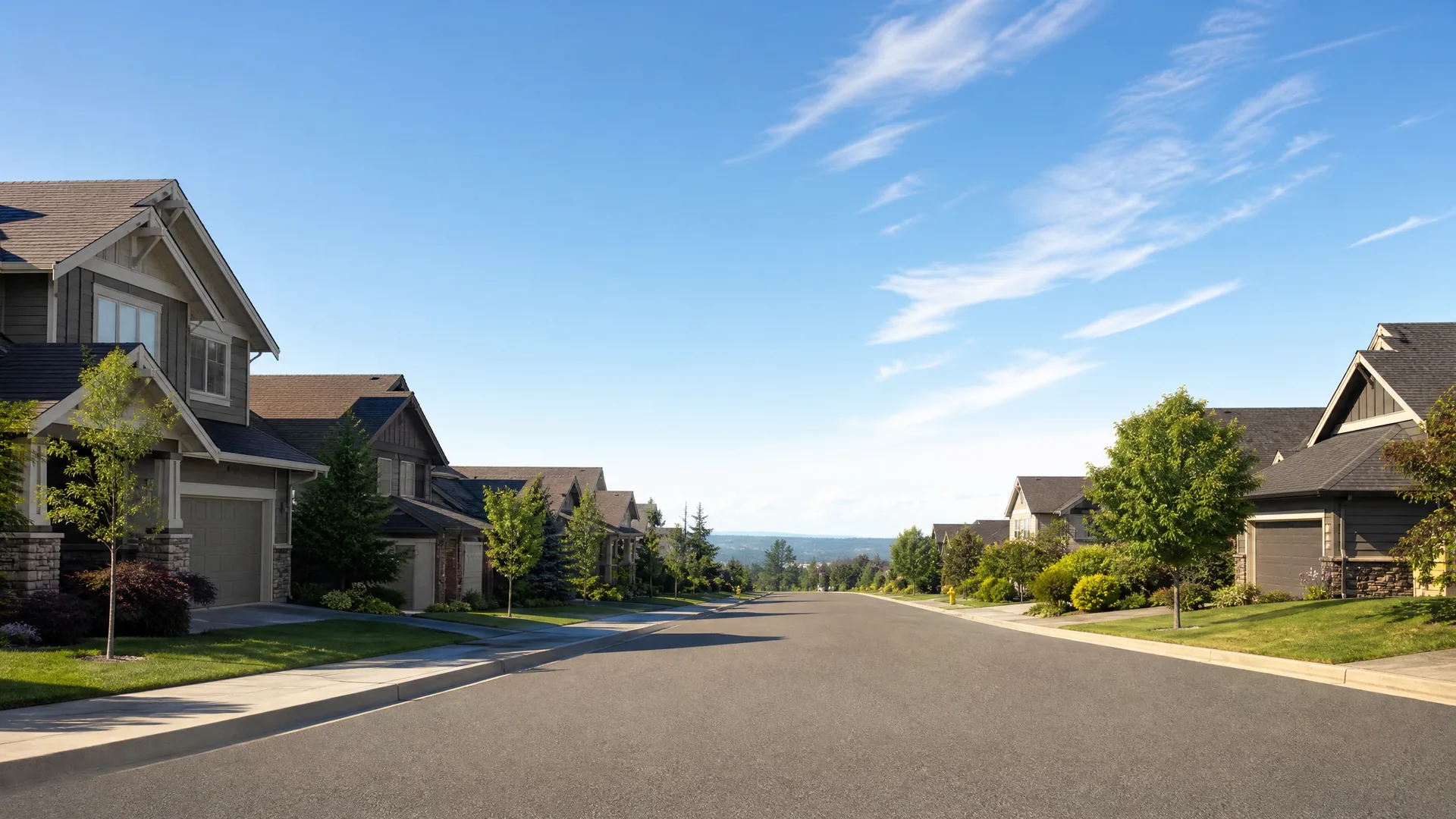
A driver was heading home on a rural two-lane road where the paint had faded badly after a hard winter. Lane assist kept nudging the wheel toward the shoulder, reading the faded edge line as the lane boundary. The driver felt the pull, assumed something was wrong with the road rather than the system, and let it correct a second time before realizing the car was drifting toward gravel.
The driver turned the system off for the rest of the drive and mentioned it to their insurance agent when a claim came up weeks later for an unrelated issue. The agent explained that assist systems are known to misread faded markings and advised disabling it in conditions like construction zones or poorly maintained roads. The driver kept using it on well-marked highways but turned it off on back roads from then on, and never had another incident.
Why a safety feature can still contribute to a crash
Lane assist works by reading painted lines and predicting where the lane should be. It's a prediction, not certainty, and predictions fail when the input is bad. Faded paint, odd intersections, or temporary construction markings all confuse the cameras, and the system still acts confidently even when it's wrong.
The bigger issue is what it does to driver behavior. Once a system takes over small corrections, attention naturally drifts. You stop actively steering and start supervising, and supervising is a different mental task that people are worse at sustaining. That's why many documented incidents involve the system working exactly as designed but the driver reacting too slowly when it needed to hand control back.
This varies by system and by state in ways worth checking directly. Some manufacturers tune their systems more conservatively, intervening less and giving the driver more room, while others correct early and often. Some states have specific rules about how these systems must be disclosed or tested, though that varies and you should check with your state's motor vehicle agency for specifics.
Where it works out differently is in low-visibility conditions or poorly maintained roads, where the system may be a greater risk than no system at all. In clear conditions on well-marked highways, it generally does what it promises and reduces fatigue-related drift. The technology isn't inherently dangerous, but it performs unevenly, and knowing where it struggles is what keeps it useful instead of risky.