Can My Husband Drive My Car if He Is Not on My Insurance
Yes, he can drive your car occasionally, because your policy follows the car, not just the people listed on it.
What matters before he gets behind the wheel
- Occasional versus regular use A one-time or occasional drive is usually covered under permissive use. If he drives often, call your insurer and ask whether he needs to be added.
- Permission counts Coverage under permissive use generally requires that you gave him permission to drive. Keep that simple and clear, even if it's just a conversation.
- His own driving record matters If he has a suspended license or a history of serious violations, permissive use may not apply. Check your policy wording or ask your insurer directly.
- Claims can get complicated If he's at fault in an accident while driving your car, your policy usually pays first. Ask your insurer how an unlisted driver affects a claim before it happens.
- Household drivers need listing Many insurers expect anyone living with you to be listed on the policy, not just occasional guests. Tell your insurer he lives with you, even if he drives rarely.
Will adding my husband to my policy raise or lower my rate?
It depends on his driving record, his age, and how your insurer rates household drivers, so there's no single answer that applies to everyone.
If he has a clean record and similar driving history to yours, adding him often has little effect on your rate, and may even help if he drives a lower risk vehicle. If he has violations, accidents, or a license issue, adding him could raise your premium, but leaving him unlisted when he regularly drives your car can create bigger problems at claim time. The only way to know for certain is to ask your insurer directly what adding him would change, and compare that against the risk of leaving him off the policy entirely.

Now that you know where you stand, compare quotes to see what it actually costs to add him properly.
Why this depends on permission and pattern, not just the paperwork
Car insurance is built around the vehicle first and the driver second. When you buy a policy, you're insuring the car for the risks that come with normal use, which includes other people driving it with your blessing now and then. That's why permissive use exists as a concept across the industry, even though the exact wording and limits come from your specific insurer and your state's rules.
The reasoning breaks down when use stops being occasional. Insurers price your policy based on who they expect to be driving the car and how often. If your husband is driving it several times a week, he's no longer an occasional guest, he's a regular driver, and the insurer's risk calculation no longer matches reality. That mismatch is exactly what can cause a claim to be questioned or denied.
Household status changes things too. Many insurers ask who lives in your home specifically because they expect those people to use your car sometimes, planned or not. Leaving a spouse unlisted isn't usually about hiding anything, it's often just an oversight, but it's the kind of oversight insurers are trained to look for when a claim comes in.
Where this plays out differently is state to state and insurer to insurer. Some states have stricter rules about who must be listed, and some insurers write permissive use narrowly while others write it broadly. The policy document itself, not general advice, is what settles your specific case.
The real risk isn't occasional driving, it's regular driving while staying invisible to your insurer.
Does my husband need his own car insurance if he has his own car?
Yes, if he owns a car, it typically needs its own policy with him as the primary driver, even if he's also permitted to drive yours occasionally. Insurers usually require every registered vehicle to carry its own coverage. If he only drives your car and doesn't own one, a separate policy usually isn't required, but check your state's rules, since some do require all household drivers to be listed somewhere.
What happens if my husband gets in an accident driving my car?
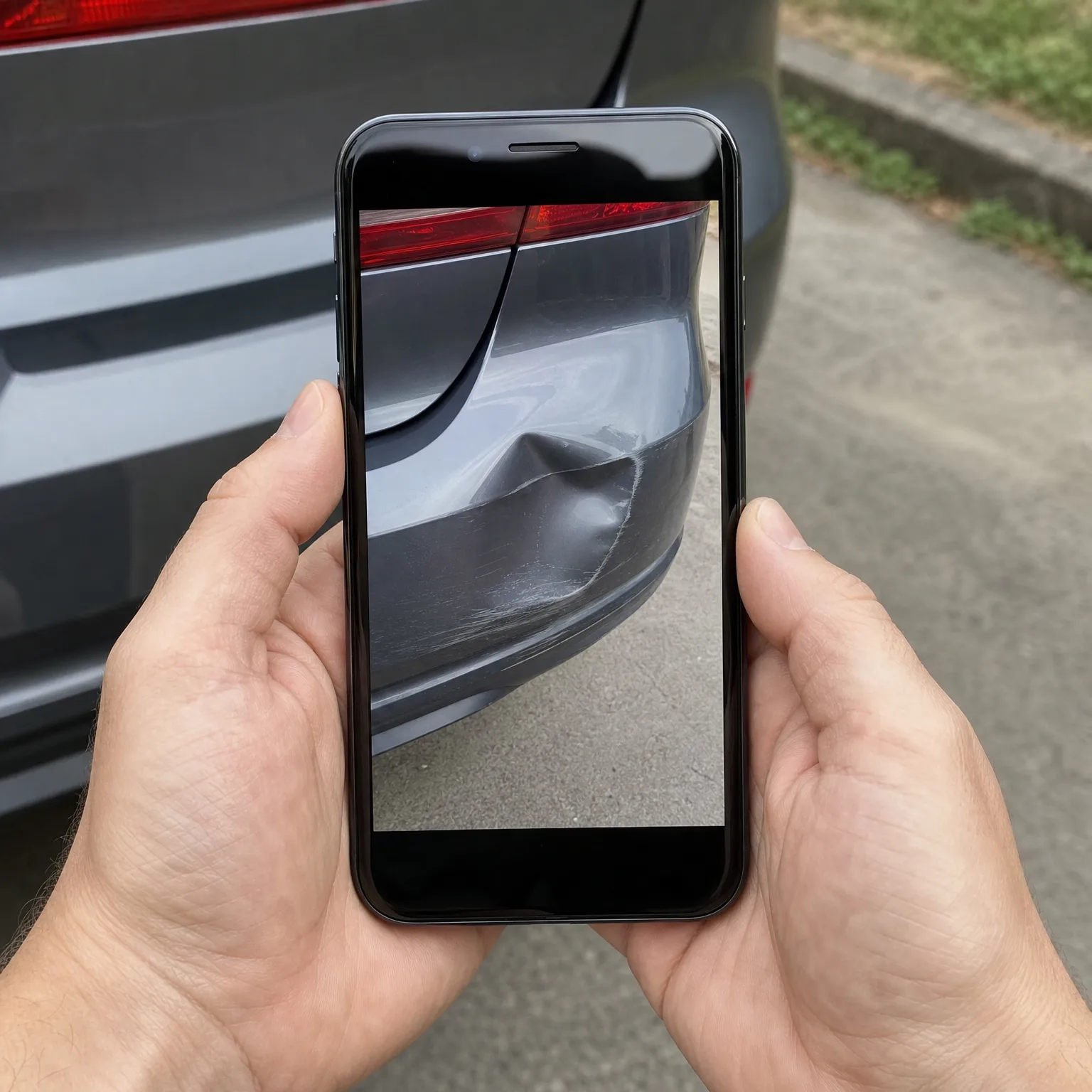
Your policy typically pays first since the coverage follows the car, not the driver. His driving record and the accident details still matter, since insurers investigate who was driving and why. If he drives your car often and isn't listed, the insurer may question the claim or adjust your rate afterward. Ask your insurer in advance how they handle this so there are no surprises later.
Can I remove my husband from my insurance if he stopped driving?
Yes, if he no longer drives at all, you can usually ask your insurer to remove him as a listed driver, which may lower your premium. This typically requires some documentation or a signed statement, since insurers want assurance he won't resume driving your car. If he still drives occasionally, removing him entirely may not be appropriate, so talk through the specifics with your insurer first.