Can You Buy Comprehensive Without Collision
Yes, nearly every insurer will sell you comprehensive coverage on its own, without requiring collision.
An older car that's paid off and still driven daily
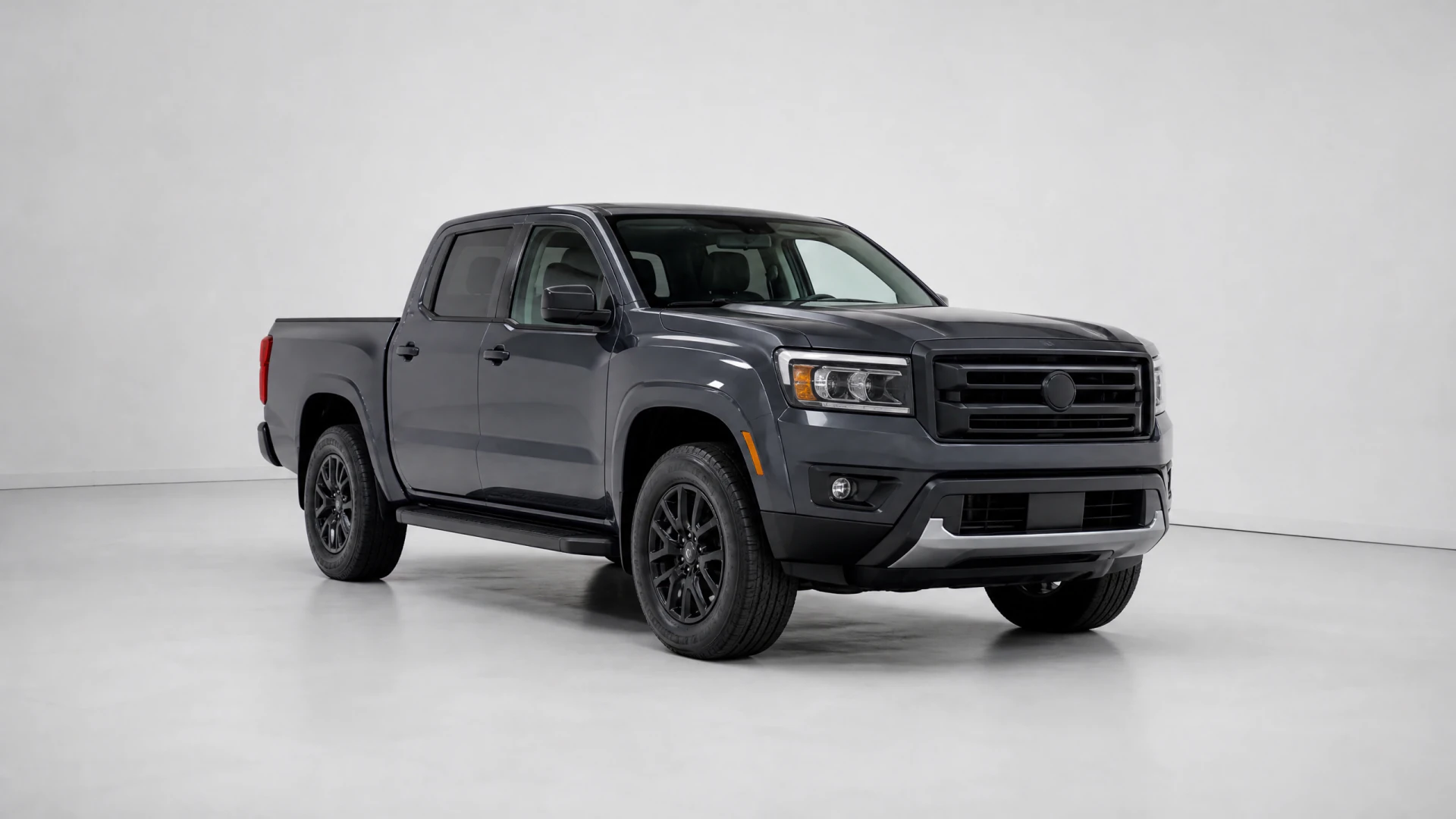
A driver in her early 80s owned her car outright and drove it several times a week, mostly short trips around town. The car was old enough that a collision claim would likely pay out very little after a deductible, so the cost of collision coverage no longer made sense to her. But she still worried about hail, a cracked windshield, a tree branch in a storm, or theft from a parking lot, things that had nothing to do with her own driving.
She called her insurer and asked to drop collision while keeping comprehensive. They adjusted her policy the same day. Her premium dropped, and she kept protection for the risks she couldn't control or avoid through careful driving. She still carried liability coverage, since that part wasn't optional, but the change let her stop paying for protection that no longer matched what her car was worth.
The short version
Yes, you can carry comprehensive without collision, and insurers offer this combination routinely. It makes the most sense when your car's value is low enough that a collision payout wouldn't amount to much, while damage from weather, theft, or animals is still a real risk. Call your insurer and ask them to price the policy both ways before you decide.
Will dropping collision leave you exposed if you cause an accident?
No, dropping collision doesn't touch the coverage that protects other people. Liability coverage, which pays for the other driver's car and medical bills if you cause an accident, stays in place regardless of whether you carry collision. What collision pays for is damage to your own car when you're at fault, or when fault is unclear, in a crash.
So the real question isn't about leaving yourself exposed to other people's claims. It's about whether you'd want your own car repaired or replaced if you caused a crash or hit something fixed, like a guardrail. If your car is old enough that the payout would be small, many drivers decide that risk is one they can accept themselves.
Once you know whether comprehensive alone fits your car, compare quotes to see what you'd actually pay for it.

Dropping collision but keeping comprehensive
If you do
You stop paying for collision repairs to your own car after an at-fault accident, but you keep coverage for weather, theft, fire, and animal strikes. Your premium drops. If you cause a crash, you'd pay for your own car's repair or replacement out of pocket, so check what that would actually cost before deciding.
If you don't
You keep paying for both coverages, which means broader protection but a higher premium. If your car has real resale value or you couldn't easily replace it, this is usually the safer choice. You're covered whether the damage comes from your own driving or something outside your control.
What to check before you drop collision
- Your car's actual value Look up what your car is worth right now, not what you paid for it. If a collision payout would only cover a small repair, the coverage may not be worth its cost.
- Your loan or lease terms If you're still financing or leasing, the lender almost always requires collision coverage. Check your agreement before you call your insurer.
- Your deductible on collision A high collision deductible shrinks what you'd actually collect after an accident. Compare that payout against what you're paying in premium each year.
- The price difference itself Ask your insurer for the cost with and without collision side by side. The gap tells you exactly what you're paying for that piece of protection.
- Your comfort with repair costs Decide honestly whether you could pay for your own car's repair if you caused an accident. That answer matters more than any number on the page.
Does comprehensive cover a cracked windshield?
Yes, a cracked or chipped windshield is typically covered under comprehensive, since it usually results from a rock, debris, or weather rather than a collision. Many insurers handle glass claims with little or no deductible, though this varies by insurer and by state, so check your specific policy. If your state has special windshield rules, your insurer can tell you how those apply before you file a claim.
What happens if I hit a deer with only comprehensive coverage?
Hitting an animal is covered under comprehensive, not collision, so you'd be covered even without collision on your policy. Insurers classify animal strikes this way because the event wasn't caused by your driving. You'll still owe your comprehensive deductible, so check what that amount is before you assume the whole repair is covered. If the deer caused you to swerve into another object instead, that part of the damage could fall under collision.
Can I add collision back later if I change my mind?
Yes, you can typically add collision back onto your policy whenever you want, since dropping it isn't permanent. Call your insurer and ask them to add it at renewal or mid-term. The main thing that changes is your premium, which rises to reflect the added coverage. Some insurers may ask about your driving record or vehicle condition again before adding it back, so check what their process involves.