Can You Claim a Car Accident Without a Police Report
Yes, you can file a claim without a police report, as long as you can show your insurer what happened another way.
Insurers need proof of what happened, not a specific document
A police report is just one way to prove a crash happened and who was involved. What your insurer actually needs is evidence, enough to confirm the facts and settle the claim fairly. A report is useful because an officer wrote down names, insurance information, and sometimes an opinion on fault. But it isn't the only way to establish those things.
Without a report, the burden shifts to you and the other driver to supply what the report would have. That means photos of the vehicles and the scene, your own written account while it's fresh, contact and insurance information you exchanged, and any witnesses who saw it happen. Your insurer will piece together the same facts from these pieces instead of one official document.
This matters more when fault is unclear or disputed. If both drivers agree on what happened and the damage is straightforward, a claim can move forward smoothly without a report. If the other driver tells their insurer a different story, having no report means there's no neutral third party's account to settle the disagreement, and the claim can take longer or end in a split decision on fault.
What your insurer requires and how they weigh missing reports varies by company and sometimes by state, especially when a report is legally required above a certain damage or injury threshold. Check your policy or ask your agent what counts as acceptable documentation before you assume a claim is impossible without one.
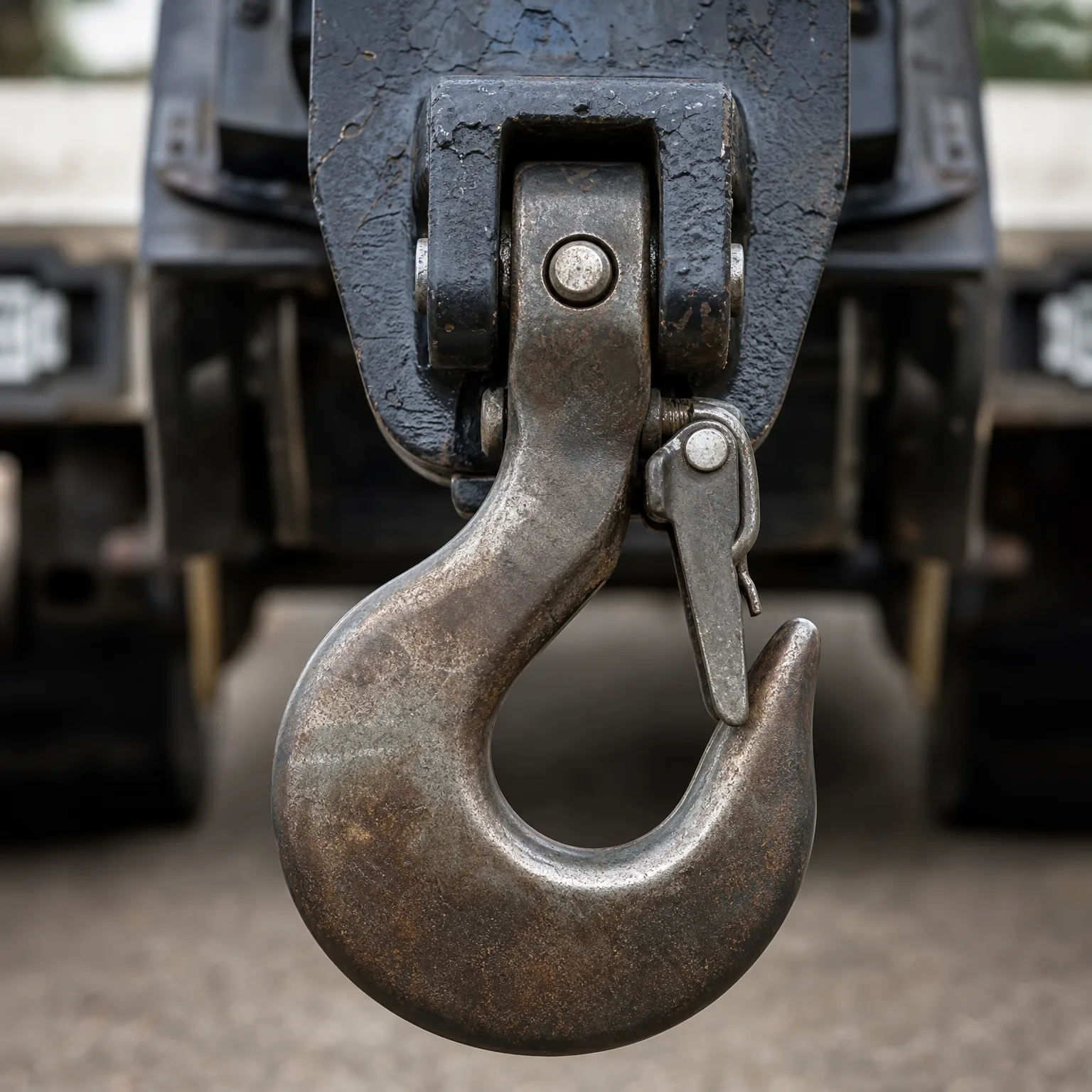
A fender bender in a parking lot with no officer called
You backed into another car at the grocery store, slow enough that no one was hurt and both bumpers had minor scrapes. Neither of you called the police since it seemed too minor to bother, and many departments won't send an officer for damage like this anyway. You took photos of both cars, the position they were in, and the license plates, and you exchanged names and insurance information with the other driver right there in the lot.
When you called your insurer, you explained there was no report and sent over the photos and the other driver's information. Your insurer contacted the other driver's insurance company directly to compare accounts, and since both sides agreed on how it happened, the claim moved forward without any dispute. It was settled in about the same time a report-backed claim would have taken, because the facts were never in question.
Now that you know a report isn't required, compare quotes to make sure your coverage holds up when you need it.
Will not having a police report hurt my claim or raise my rates?
Not having a report doesn't hurt your claim by itself. Insurers settle plenty of claims using photos, statements, and other evidence instead. What can hurt you is a claim where fault is disputed and there's no neutral record to lean on, since that can drag out the process or lead to a split-fault decision that affects what you're paid.
As for rates, what raises them is being found at fault and the cost of the claim, not the absence of a report. A clear, well-documented claim where you're not at fault typically won't move your rate at all, report or no report. If you're ever unsure whether a report could have changed the outcome, ask your adjuster directly what evidence they used to decide fault.

Whether to file a claim without a report
If you do
You submit photos, a written account, and the other driver's information. Your insurer verifies the details, sometimes contacting the other insurer directly. If both sides agree on what happened, the claim proceeds normally. If accounts conflict, expect follow-up questions and possibly a slower, split-fault resolution.
If you don't
You handle repair costs yourself or let the damage go unaddressed. This avoids any chance of a rate impact from the claim, but you lose the coverage you've been paying for. It only makes sense when damage is minor and filing would cost you more in the long run than paying out of pocket.
Can I still call the police after I've already left the accident scene?
In most cases you can still file a report after the fact, though how soon you need to is set by local rules rather than one standard everywhere. Call your local police non-emergency line and ask whether a late report is accepted and what information they'll need. Acting quickly matters since details fade and some departments set a firm window for accepting reports after the fact.
What if the other driver won't exchange insurance information?
Get what you can, like their license plate, vehicle description, and photos, and report the incident to your own insurer right away. If the other driver refuses to cooperate or leaves the scene, this can shift toward a hit-and-run situation, which usually does call for a police report. Your insurer can advise whether your uninsured motorist coverage applies if the other driver can't be identified.
Does my state require a police report for certain accidents?
Some states require a report once damage or injury crosses a certain threshold, while others leave it up to the drivers involved. This varies by state, so check your state's motor vehicle agency or ask your insurer what triggers a legal reporting requirement where you live. If your accident meets that threshold, skipping the report could create legal exposure beyond just the insurance claim itself.