
Can You Claim for Mental Health After a Car Accident
Yes, you can claim for the anxiety, fear, or distress a car accident caused, alongside any physical injury.
Insurers pay for mental harm because it's a real injury
Car insurance exists to cover the harm a crash causes, and harm isn't only physical. When an accident leaves you anxious about driving, unable to sleep, or fearful in traffic, that's a documented injury the same way a sprained wrist is. The law in most places recognizes this kind of harm under personal injury or bodily injury coverage, though the exact name and rules depend on your state, so check what your policy and local law call it.
What changes the outcome is proof. A claim built only on how you feel is harder to settle than one backed by a doctor's notes, a therapist's diagnosis, or a record of missed activities and treatment. Insurers look for a paper trail connecting the crash to the mental health effect, not just your word that you've been shaken up since.
The other variable is severity and duration. Short-lived stress after a fender bender is treated differently than diagnosed anxiety or post-traumatic stress that lasts months and affects your daily life. The longer and more documented the impact, the stronger the basis for compensation, and the more an insurer will typically offer.
Where this gets complicated is when mental health claims stand alone, with no physical injury attached. Some states and insurers scrutinize these more closely, worried about claims that are hard to verify. That's not a reason to skip the claim, but it is a reason to get care and documentation early rather than waiting to see if the feeling passes on its own.
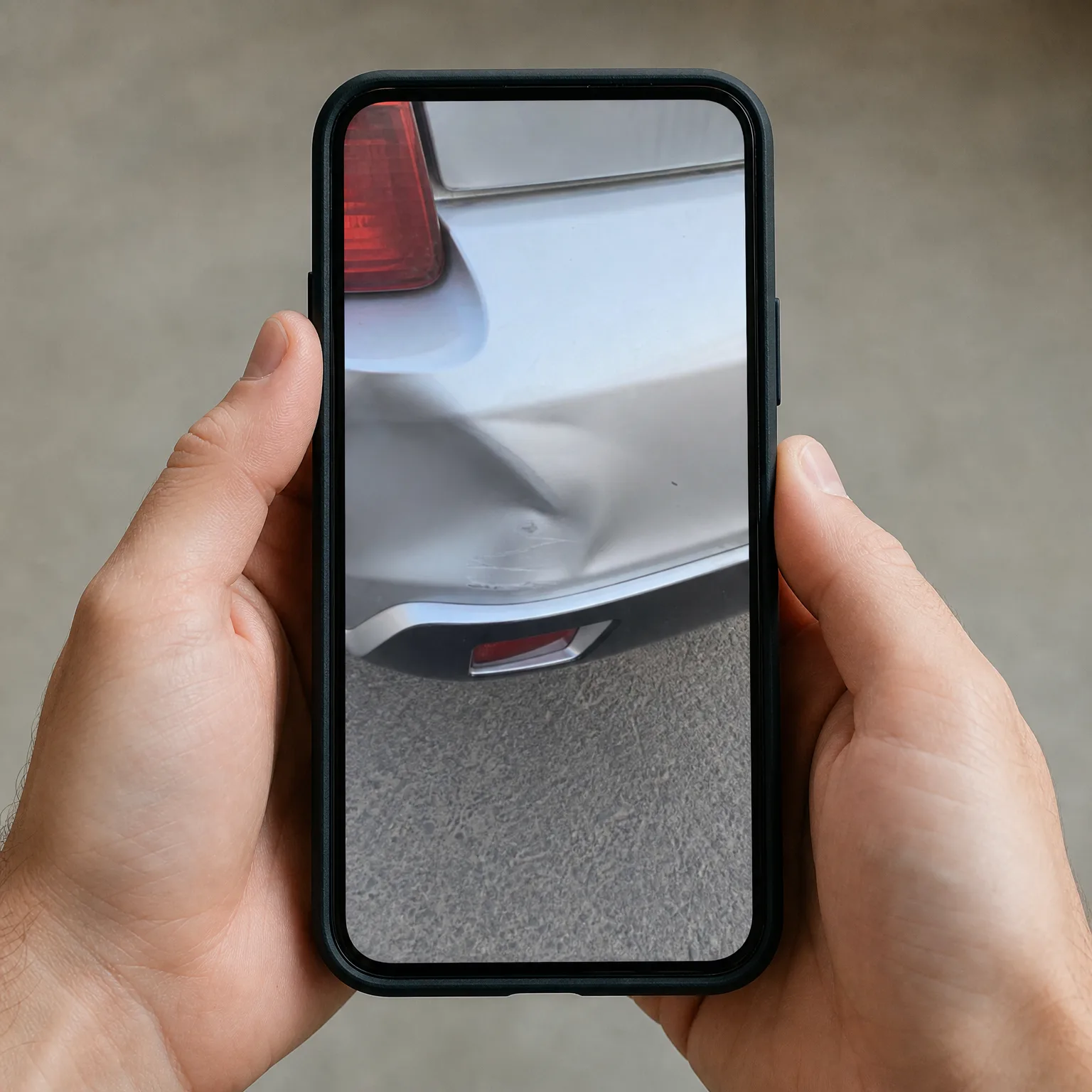
What actually determines whether this claim succeeds
- Medical documentation A diagnosis from a doctor or therapist carries far more weight than your own description of feeling anxious. Get evaluated soon after the accident and keep every record.
- Link to the accident The insurer needs to see that your mental health symptoms started after the crash, not before it. Mention the accident specifically at every medical visit so it's on record.
- State rules on claims Some states limit standalone mental health claims without physical injury attached. Ask your insurer or an attorney what applies where you live before you file.
- Ongoing treatment records Claims supported by continued therapy or counseling tend to settle for more than one-time visits. Keep attending and keep the paperwork even after you feel better.
- Timing of your claim Filing soon after the accident, while symptoms and records are fresh, strengthens your position. Waiting months can make insurers question whether the accident caused it.

Treat your mental health like any other injury from the crash, and document it the same way from day one.
Once you know how a mental health claim works, compare quotes to find coverage that won't leave you guessing next time.

Should you get evaluated right after the accident
If you do
A doctor or therapist creates a dated record linking your symptoms to the crash. If you later file a claim, you'll have real documentation instead of just your memory. This single step often determines whether an insurer takes a mental health claim seriously at all.
If you don't
Without an early record, it's your word against time. Insurers may argue your anxiety could stem from something else entirely. Even if you're managing fine now, symptoms that appear or worsen later will be far harder to connect back to the accident.
How much can you actually get for a mental health claim?
There's no fixed amount, because it depends on the severity of your symptoms, how long they last, and how well they're documented. A few weeks of stress after a minor collision is valued very differently than a diagnosed, lasting condition that affects your work or daily life. Insurers typically weigh your medical records, therapy costs, and any lost activities or income against similar past claims to arrive at a figure.
This is also an area where having a physical injury alongside the mental health claim tends to help, since it makes the overall case more concrete. Standalone mental health claims are valid but can take more negotiation. If an insurer's offer feels low given what you've been through and what you can document, you don't have to accept it right away. Getting a second opinion, from a doctor or a legal advisor familiar with your state's rules, can clarify whether the number reflects what your claim is actually worth.