Can You Have Car Insurance With Two Different Addresses
Yes, but your policy needs one primary address, the place the car actually sleeps most nights.
What matters when you split time between two places
- One address is primary Insurers price the policy around where the car is garaged most of the year. Pick the address where the car actually spends the most nights and use that one on the application.
- Say so if you split time If you genuinely divide your year between two homes, tell your agent directly. Hiding it can cause a claim to be questioned later, so it's better handled upfront.
- Garaging sets your rate Rates differ by location because of local accident and theft patterns. If your second address is in a different state, your rate could shift when you report a change.
- Cars can use different addresses If you and a family member each keep a car at a separate address, each car can be listed where it actually stays. Check with your insurer on how they handle this.
- Update it when it changes If your primary address changes for good, update it right away. A stale address can affect both your rate and how a claim gets handled.

A retiree who splits the year between two homes
Margaret spends summers at a lake cottage in one state and winters at her house near her daughter in another. She kept her car insurance listed at her winter address for years without telling her insurer about the cottage, assuming it didn't matter since she wasn't registering a second car there.
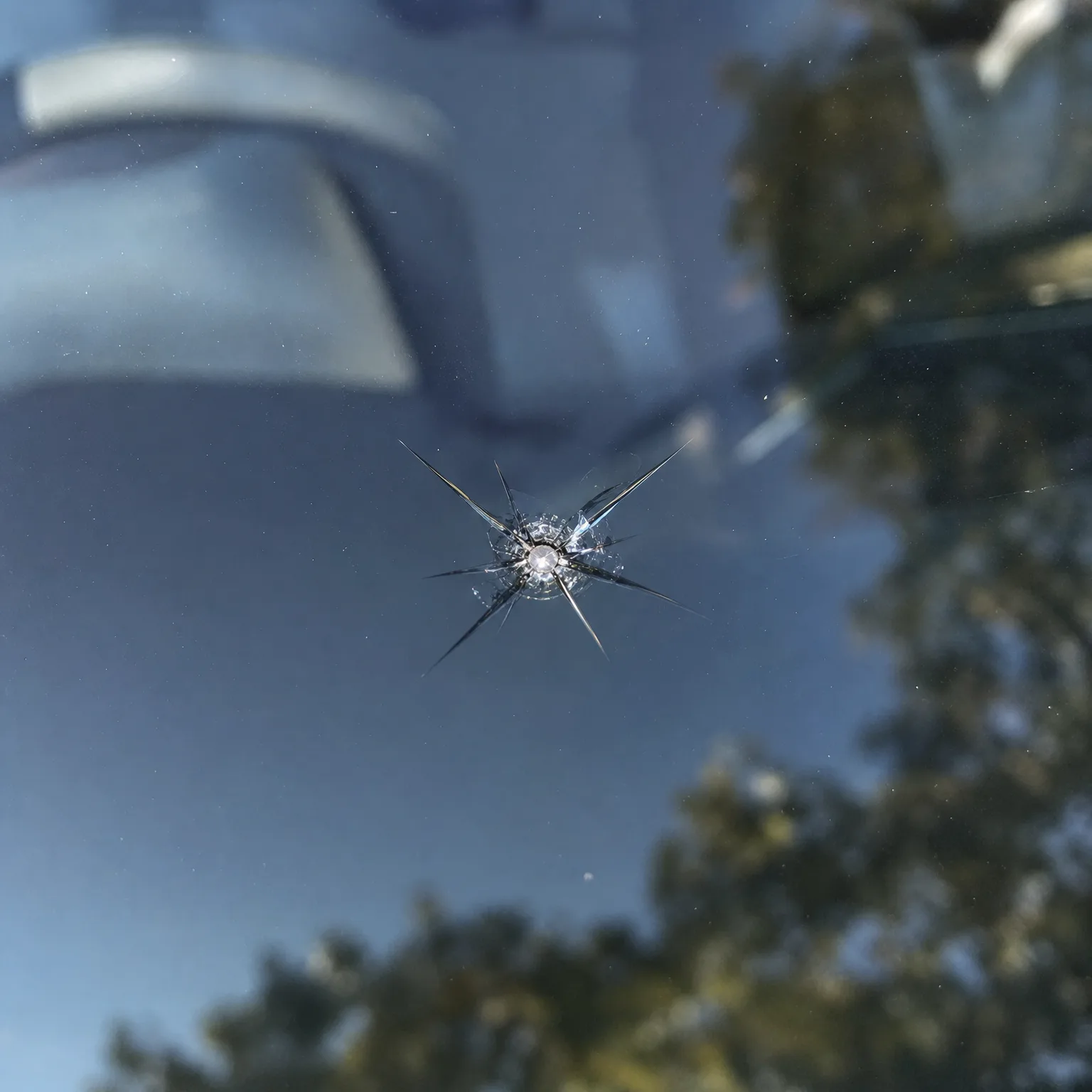
When she called to ask about adding coverage for a short trip, her agent asked where the car spent most of its time. She realized it was close to even, maybe a bit more at the winter home, so they kept that as the primary address and noted the seasonal time at the cottage in her file. Nothing changed about her premium, but when she later filed a small claim after a stone chipped her windshield at the cottage, there was no question about whether her coverage applied. The claim went through without any back and forth about where she actually lived.

Now that you know which address to list, compare quotes using your true primary residence.
What if I genuinely live at both addresses equally?
If you truly split your time close to evenly, tell your insurer plainly and let them decide how to classify it. Most will ask you to pick the address where the car is garaged more often, even if it's only a slight majority of nights, because the policy is built around a single rating location.
Some insurers may ask for proof of time split, like utility bills or a lease, especially if the two addresses are in different states with different rates. Being upfront avoids a situation where a claim gets delayed while they sort out where the car was actually kept. If the split is close to fifty-fifty, ask your agent directly how they want it handled rather than guessing.
The address that matters is where the car sleeps most, not where your mail goes.
Can I use my child's address for car insurance to save money?
No, not if you don't actually live or keep the car there. Insurers price policies based on where the car is actually garaged, and listing a false address is considered misrepresentation. If a claim is investigated and the real address doesn't match, the insurer can deny the claim or cancel the policy. Always list the address where the car truly spends its nights.
Does my insurance still work if I'm away from home for months?
Yes, as long as your primary address stays accurate and you tell your insurer about extended time away. Coverage follows the car, so a temporary stay at a second home or with family doesn't change your policy. What matters is whether the car's actual garaging location shifts for good, which would need to be updated.
Do I need separate insurance for a car kept at my second home?
It depends on whether the car stays there full time or just comes along with you. If the car permanently lives at the second address, that becomes its garaging address and your insurer needs to know. If it only visits occasionally, your existing policy usually still covers it, but confirm this directly with your insurer since rules vary.