Can You Turn Off Blind Spot Monitoring
Yes, you can usually switch it off through a dashboard button or settings menu, but turning it off can work against you with your insurer.
When the warning chime got switched off for good
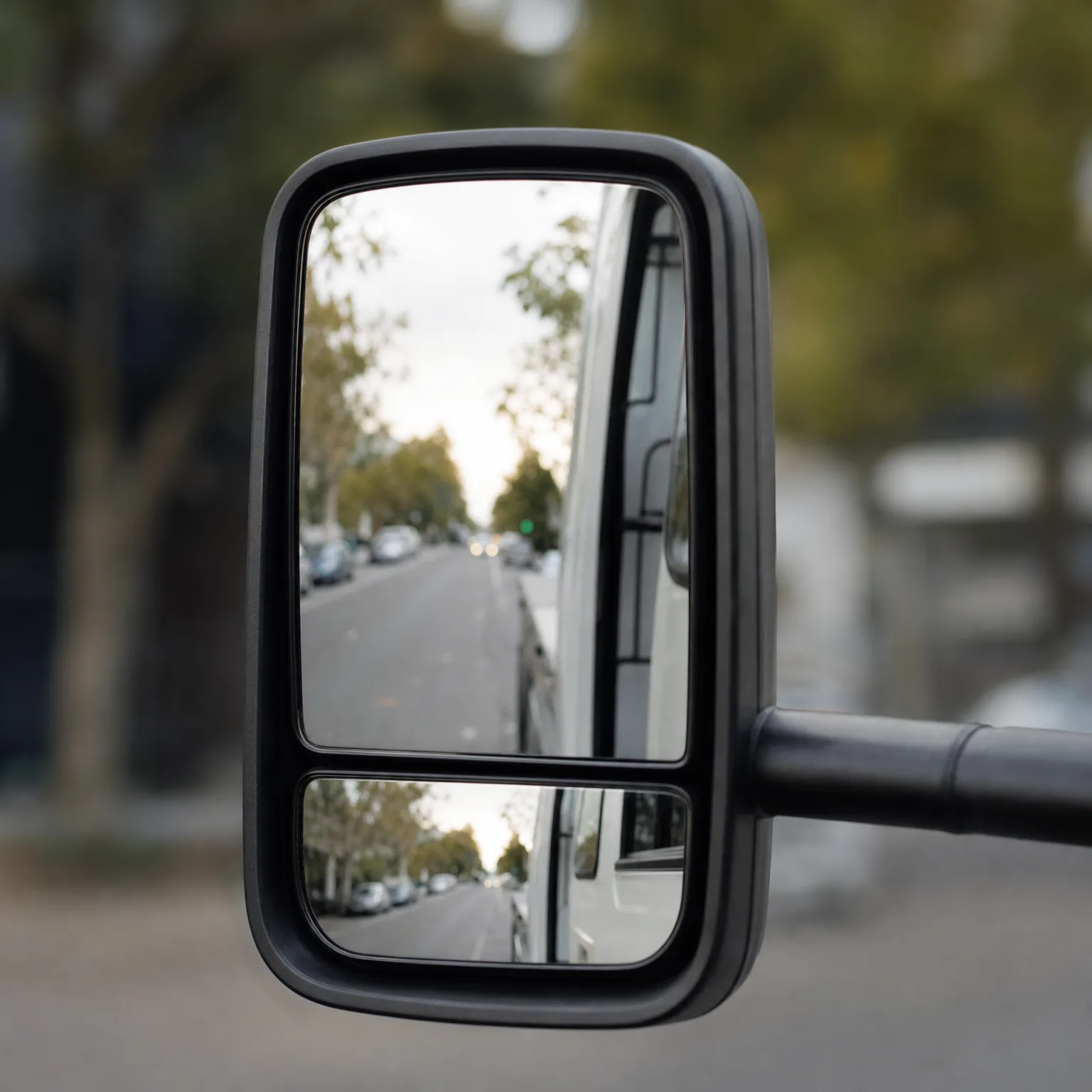
A driver in her early 80s found the blind spot chime distracting on the highway and turned the system off using the button near the mirror controls. She drove that way for several months, mostly on familiar roads to the pharmacy and her daughter's house, and didn't think much of it until a minor lane-change collision happened in a parking garage.
When she filed the claim, the insurer asked whether her safety systems were active at the time. She had to admit the monitor was off. It didn't void her claim, but the adjuster noted it, and her agent later told her that some insurers consider active safety features when setting or renewing rates. She turned the system back on afterward and asked her agent directly how it was factored into her policy, which gave her a clearer answer than guessing ever would.
The short version
Yes, you can turn off blind spot monitoring, usually with a dashboard button or a menu setting. The main reason to think twice is that insurers increasingly ask about active safety features when pricing or reviewing claims. Before switching it off for good, check with your insurer how it affects your policy.
Does turning it off affect my insurance rate?
It can, depending on your insurer. Many insurers now ask whether your car has certain safety features and whether they're in use, especially when you first get a policy or renew it. If a feature like blind spot monitoring was part of why you qualified for a lower rate, turning it off and leaving it off could matter later, particularly if you file a claim involving a lane change or merge.
This isn't universal. Some insurers price based on the car's equipment regardless of whether you use every feature. The only way to know for certain is to ask your agent directly whether your rate assumes these systems are active, and whether a claim investigation would ask about it. That single conversation clears up more than guessing ever will.
Now you know how this choice affects coverage, so compare quotes with insurers that reward keeping the feature on.
Will my insurance drop me for turning off safety features?
No, turning off a feature like blind spot monitoring won't get your policy canceled on its own. Insurers care more about your driving record and claims history than which features are active day to day. What can matter is if a claim investigation finds the feature was off during an incident it's designed to help prevent, which may come up in how the claim is reviewed. If you're unsure, ask your agent directly whether this applies to your policy.
Why does my blind spot monitor keep turning itself back on?
Most systems default to on every time you start the car, even if you turned it off last time. This is a manufacturer safety setting, not a glitch, and it's intentional so the feature isn't accidentally left off long-term. Some vehicles let you change this default in a settings menu, but many don't. If you want it off every drive, check your owner's manual for a permanent setting, since not all models offer one.
Can I get a discount for having blind spot monitoring even if I never asked for one?
Yes, some insurers apply a discount automatically based on your car's built-in safety equipment, without you requesting it. This varies by insurer and sometimes by state, so it's worth asking directly whether your policy already includes it or whether you need to report the feature yourself. If you bought the car used or the feature isn't listed on your policy, mention it to your agent since it could lower your rate.
What matters is whether your insurer knows the feature exists and whether it ran when something happened.