Common Night Driving Problems After Cataract Surgery
Glare, halos, and starbursts around lights at night are common after cataract surgery and usually fade as your eyes finish healing.
What to expect after surgery and what to do about each
- Glare from headlights Oncoming headlights may look like they're spreading or flaring. This is common in the first weeks and usually settles as healing finishes, so give it time before judging your night vision.
- Halos around lights Rings around streetlights and signals are a normal side effect of healing. Mention them at your follow-up exam so your doctor can confirm they're fading on schedule.
- Starbursts on wet roads Light that spikes outward on rain-slicked roads can make night driving feel harder than it is. Avoid driving in rain at night until this clears, and ask your eye doctor when that's likely.
- Slower adjustment to dark Your eyes may take longer to adjust when you move from a lit area into darkness. Pause a moment before pulling out of a lit parking lot or driveway at night.
- Uneven vision between eyes If only one eye has had surgery, the difference between eyes can throw off your depth perception at night. This usually resolves once both eyes are done or fully healed.
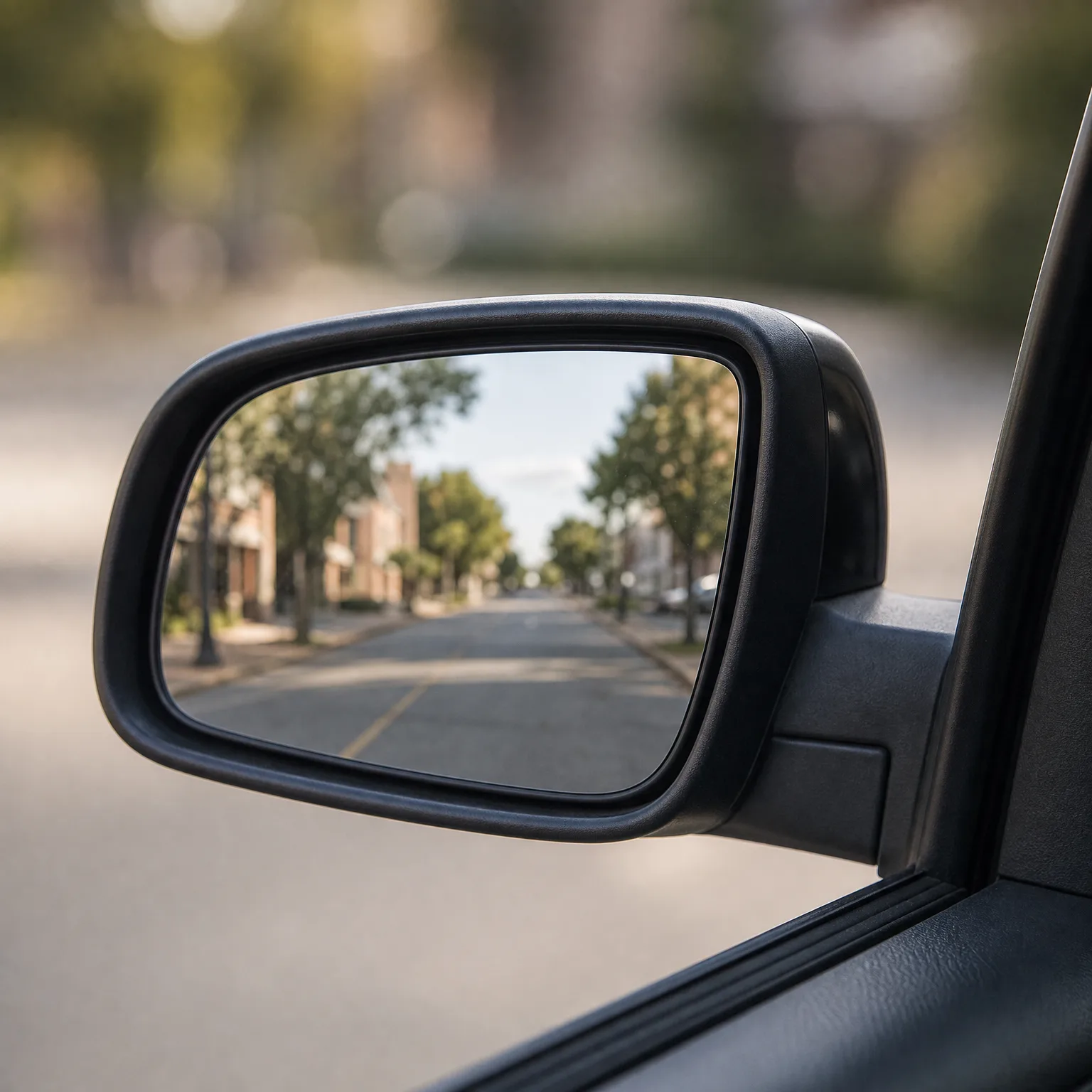
A driver notices halos on the drive home from church
A woman in her early 80s had cataract surgery on one eye three weeks earlier. Driving home from evening church, she noticed streetlights had rings around them and oncoming headlights seemed to spread wider than she remembered. She hadn't driven much at night since the surgery, so she wasn't sure if this was normal healing or a sign something was wrong.
She called her eye doctor's office the next morning instead of waiting for her scheduled follow-up. The doctor confirmed halos were expected at this stage of healing, especially with only one eye done, and said they typically fade over the following weeks. In the meantime, she stuck to driving at night only on well-lit, familiar roads and waited until after her second eye was done before resuming her usual evening schedule. By the time both eyes had healed, the halos were gone and her night driving felt normal again.
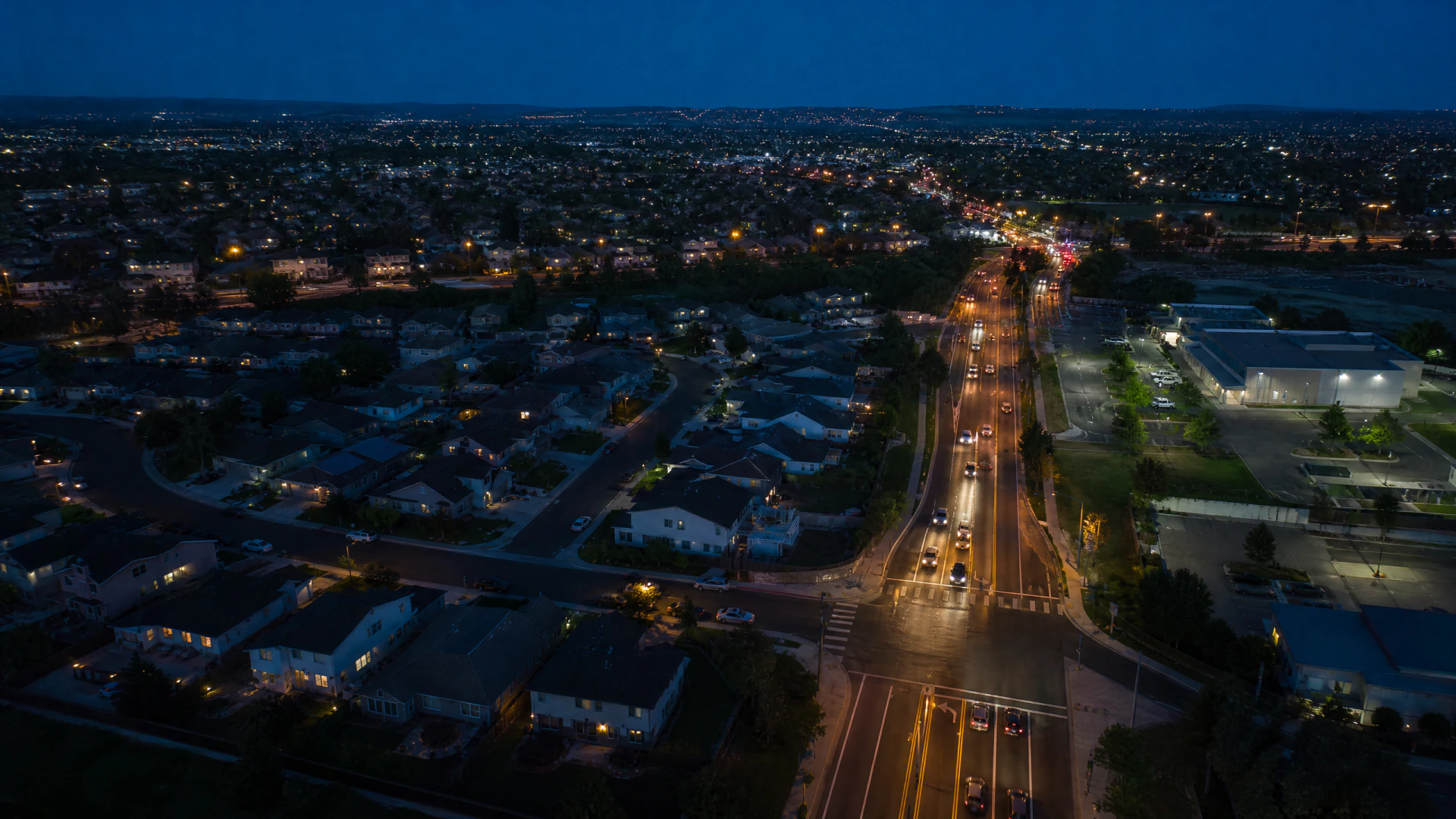
Once you know these symptoms are part of healing, compare quotes to match coverage to how you actually drive.

Whether you keep driving at night during healing
If you do
You can keep seeing friends, attending evening events, and running errands without waiting out the full recovery. Stick to familiar, well-lit routes, avoid rain at night if starbursts are strong, and stop if glare makes it hard to judge distance or read signals clearly.
If you don't
You avoid driving through glare, halos, or starbursts while your eyes are still adjusting, which some people find safer and less stressful. You'll depend on others or daytime errands for a few weeks, but most people resume normal night driving once healing is complete.
Why these symptoms happen and when they mean something more
Cataract surgery replaces the eye's clouded natural lens with a new artificial one, and your eye needs time to heal around it. During that healing, light can scatter unevenly as it passes through the eye, which is what creates glare, halos, and starbursts, especially against the high contrast of dark skies and bright lights. This is a normal part of recovery for most people, not a sign the surgery went wrong.
The timeline for these symptoms to fade varies by person and by how your eye heals, so there's no fixed point at which everyone feels back to normal. Some people notice real improvement within the first couple of weeks, while others take longer, particularly if they've only had one eye done and are seeing the contrast between the operated and unoperated eye. Your eye doctor is the right judge of whether your timeline is typical, not a general guideline.
In most cases these effects resolve completely once the eye finishes healing and, if both eyes need surgery, once the second one is done. In a smaller number of cases, glare or halos persist longer or don't fully resolve, which can happen with certain lens types or with other eye conditions present alongside the cataract. If symptoms aren't improving by your follow-up visits, that's worth raising directly with your doctor rather than assuming it will pass.
None of this changes your license or your insurance by itself. What matters to both is whether your vision meets the standard required where you live once healing is complete, which your doctor confirms through the same exam process you've used for years.

These symptoms are a healing stage, not a verdict, so judge your night vision only once you've fully healed.