Do All Cars Have ADAS
No, ADAS comes standard on many newer cars but is optional or absent on others, so you need to check your specific vehicle.
Automakers added these features gradually, not all at once
Automatic emergency braking, lane keeping assistance, blind spot warnings and similar features arrived on different timelines depending on the manufacturer and the model. Some automakers made certain features standard earlier than others. There was no single year when every car suddenly had this technology, which is why two cars of similar age can be very different in what they include.
Price and trim level matter as much as model year. A base trim of a car might skip features that come standard on the higher trim of the same model and year. Luxury brands often included these systems before mainstream brands did, and even now, some manufacturers bundle ADAS into optional packages rather than including it across the board.
Your own car is the only one that matters here. The make, model, year and trim level together determine what it has, not a general rule about age or price. Two neighbors with cars from the same year can have completely different sets of features depending on these details.
Insurers care about this because it affects both how your car handles risk and what it costs to repair. A car with these features may qualify for a discount in some cases, and insurers vary on this, so it's worth checking with yours directly rather than assuming either way.
Checking before you assumed too much
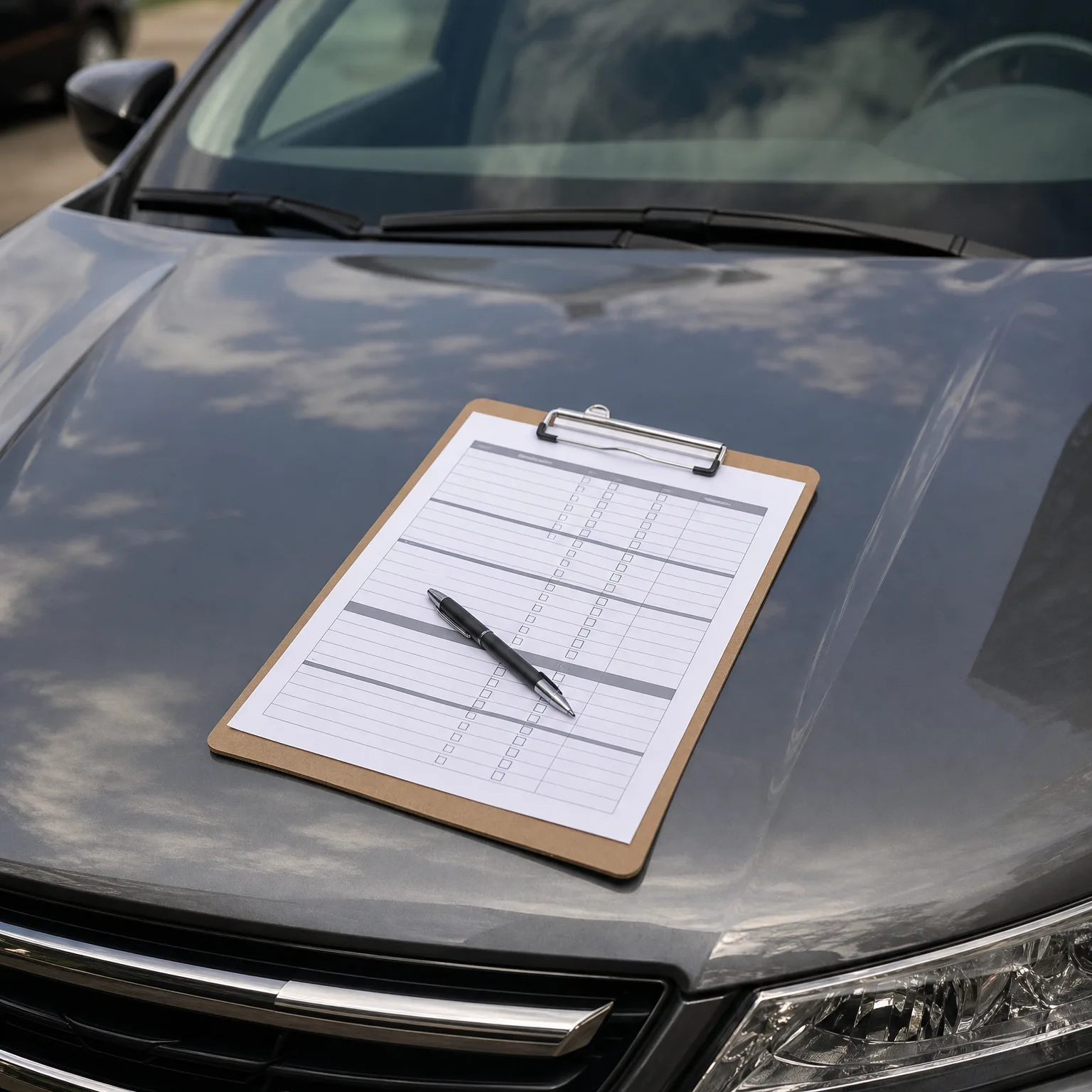
You wanted to know if your car qualified for any kind of discount, so you pulled up your owner's manual instead of guessing based on the year you bought it. The manual listed the features included with your trim level, and you found that your car had automatic emergency braking but not lane keeping assistance, since that was part of a package you hadn't chosen when you bought the car.
You called your insurer with that specific information in hand instead of asking a vague question about whether your car had modern safety features. The agent was able to tell you plainly whether automatic emergency braking qualified for anything on your policy, and it turned out it did. Knowing the exact features you had made the conversation faster and the answer clearer, and you didn't have to rely on guesswork about what your car came with.

What matters isn't your car's age, it's the exact features your specific trim included when you bought it.
Once you know what your car actually has, compare quotes to see how it affects your rate.

How to find out what your car has
- Check the owner's manual Your manual lists every feature included with your trim level. This is the most reliable source since it was written for your exact car.
- Look at the window sticker If you still have it, the sticker lists every feature and package included at purchase. This shows you exactly what you paid for.
- Call the dealer with your VIN A dealer can look up your vehicle identification number and tell you precisely what came with that car. This works even years after you bought it.
- Test it in a safe, empty lot Some features, like lane keeping or automatic braking, can be tested carefully at low speed. Do this only in a controlled, empty space.
- Ask your insurer directly Tell them the specific features you confirmed, not just the year of your car. They can tell you plainly what qualifies for anything on your policy.

Can I add ADAS to a car that didn't come with it?
Sometimes, but it depends on your car. Aftermarket systems exist for some features like forward collision warning or blind spot monitoring, and a mechanic familiar with your make and model can tell you what's possible. Factory-installed systems are usually more integrated and reliable than aftermarket add-ons, so check with a trusted shop about what fits your car specifically. Cost and availability vary a lot depending on the vehicle, so get a specific quote before deciding.
Does ADAS lower my insurance rate?
It can, but not with every insurer and not for every feature. Some insurers offer a discount for specific safety features like automatic emergency braking, while others factor it into their overall risk assessment without a separate discount line. Ask your insurer which features they recognize and how, since this varies by company. Bring the specific list of features your car has, not just its year or brand, to get a clear answer.
Do ADAS features cost more to repair after an accident?
Often yes, because these systems rely on sensors and cameras built into the windshield, bumpers or mirrors. If one of those parts gets damaged, repair may require recalibrating the sensor as well as fixing the physical part, which adds cost and time. This is worth knowing when you think about your coverage levels. Ask your insurer or a repair shop familiar with your model how this has affected repair costs for similar cars.