Do Anti-Glare Glasses Really Work for Night Driving
Anti-glare coating cuts some glare, but it won't fix the deeper reasons night driving feels harder as you get older.
What these glasses can and can't do for your eyes
- The coating reduces reflections It cuts glare bouncing off the inside of your own lenses, which is real but small. It won't stop glare from oncoming headlights hitting your eyes directly.
- Tinted lenses don't add light They make the road look different, not brighter. Skip tinted lenses for night driving and save the money for a proper eye exam instead.
- Old prescriptions worsen glare Even a mild change in your prescription makes headlights spread and scatter more. Get your eyes checked yearly and update your prescription as soon as your doctor suggests it.
- Cataracts scatter light at night Early cataracts are common at this age and make every light source look starburst or hazy. Ask your eye doctor specifically about cataracts if night glare has gotten noticeably worse.
- Clean lenses matter most Smudges, scratches, and a dirty windshield scatter light more than almost anything else. Clean your glasses and windshield before every night drive, inside and out.
A driver who bought glasses before checking her eyes
A woman in her early 80s noticed oncoming headlights had started looking like starbursts with long streaks shooting out from them, something that hadn't bothered her a few years earlier. She ordered a pair of anti-glare glasses made for night driving, hoping they would solve it. They helped a little with the halo around porch lights and streetlamps, but the starburst from headlights barely changed.
She mentioned it at her next eye exam, almost as an aside, and her eye doctor found early cataracts in both eyes. The starburst pattern she described was a classic sign. She wasn't ready for surgery yet, but her doctor adjusted her prescription and suggested she limit night driving to familiar, well lit roads until she was. She kept the glasses for everyday wear since the coating was a mild improvement, but she stopped expecting them to fix the real issue. A year later, after surgery on one eye, the starbursts she'd been driving around were gone.

Once you know what's actually behind your night glare, compare quotes to match coverage to how you drive.
Should I just stop driving at night instead of dealing with glare?
Not necessarily, but it's worth taking seriously if glare is making you tense, uncertain, or genuinely hard to see by. Many drivers in their late 70s and 80s keep driving at night for years by making small adjustments, sticking to familiar routes, avoiding unlit back roads, driving a little earlier in the evening, and keeping their prescription and windshield in good shape.
The decision should follow from what's causing the glare, not from age by itself. If an eye exam turns up nothing serious and glasses or a cleaner windshield settle it, there's no reason to stop. If it turns out to be cataracts or another condition affecting your vision more broadly, that's a conversation to have with your doctor about timing, not something to guess at on your own.
Getting an eye exam before you buy anti-glare glasses
If you do
You find out whether the glare is a lens coating problem, a prescription problem, or an early cataract. Your doctor can treat the actual cause, and you'll know whether glasses alone will help or whether something more is going on with your vision.
If you don't
You might spend money on glasses that only partly help, while the real cause keeps getting worse unnoticed. Night driving could keep feeling harder each year without you knowing why, and you'll have no clear answer if family or your doctor ever asks about it.
Will anti-glare glasses help with cataracts at night?
Not in any meaningful way. Cataracts scatter light inside the eye itself, which is a different problem than reflections bouncing off the surface of a lens. Anti-glare coating addresses the second thing, not the first. If cataracts are the cause of your night glare, the real fix is treatment from your eye doctor, including surgery when it's time, not a different pair of glasses.
Do polarized lenses help with headlight glare while driving?
Not for headlights specifically, and in some cases they can make night driving harder. Polarized lenses are built to cut glare from flat reflective surfaces like water or wet pavement during the day. At night they can dim your overall vision and sometimes interact oddly with dashboard displays, so most eye doctors recommend against polarized lenses for nighttime driving.
Can a windshield itself cause more glare at night as it ages?
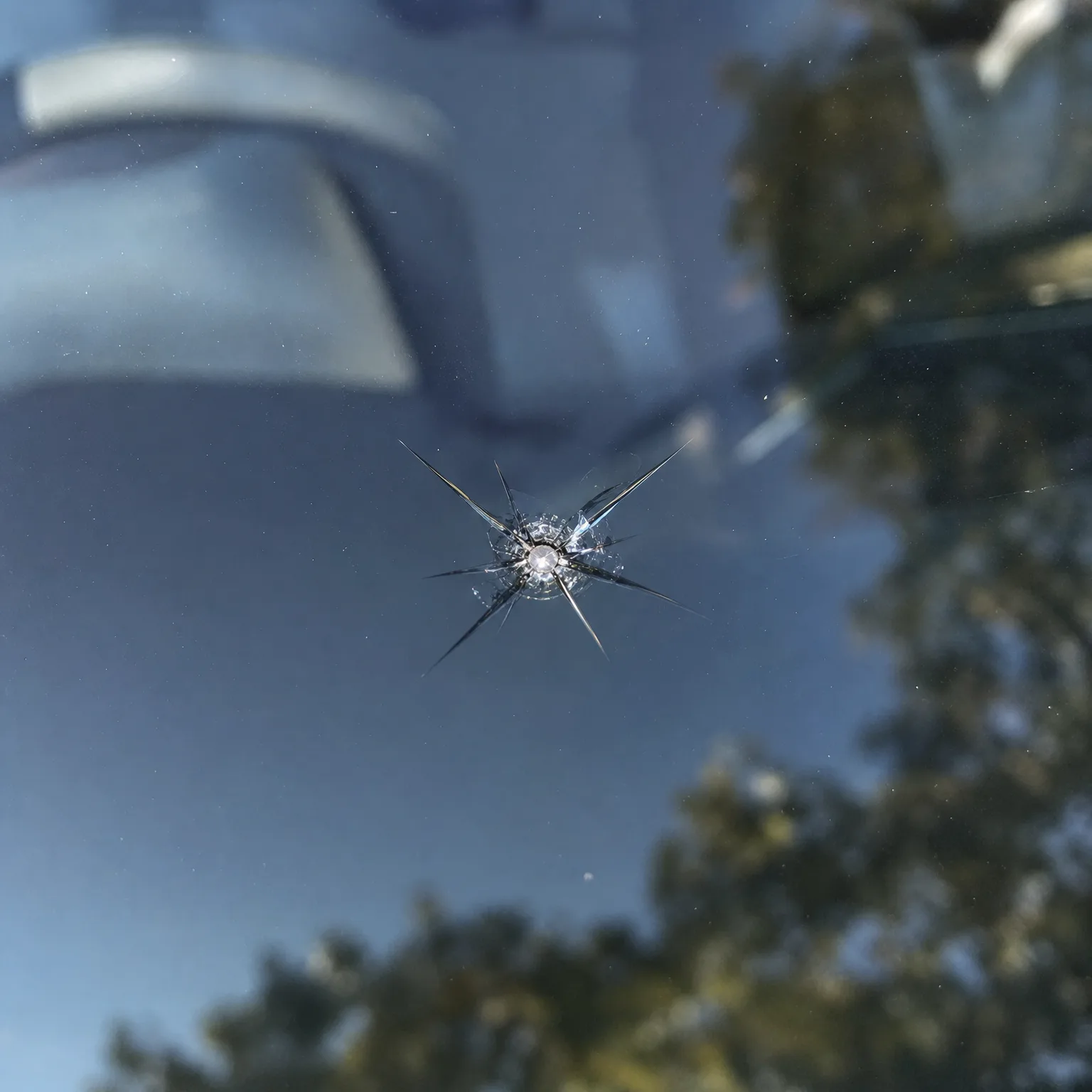
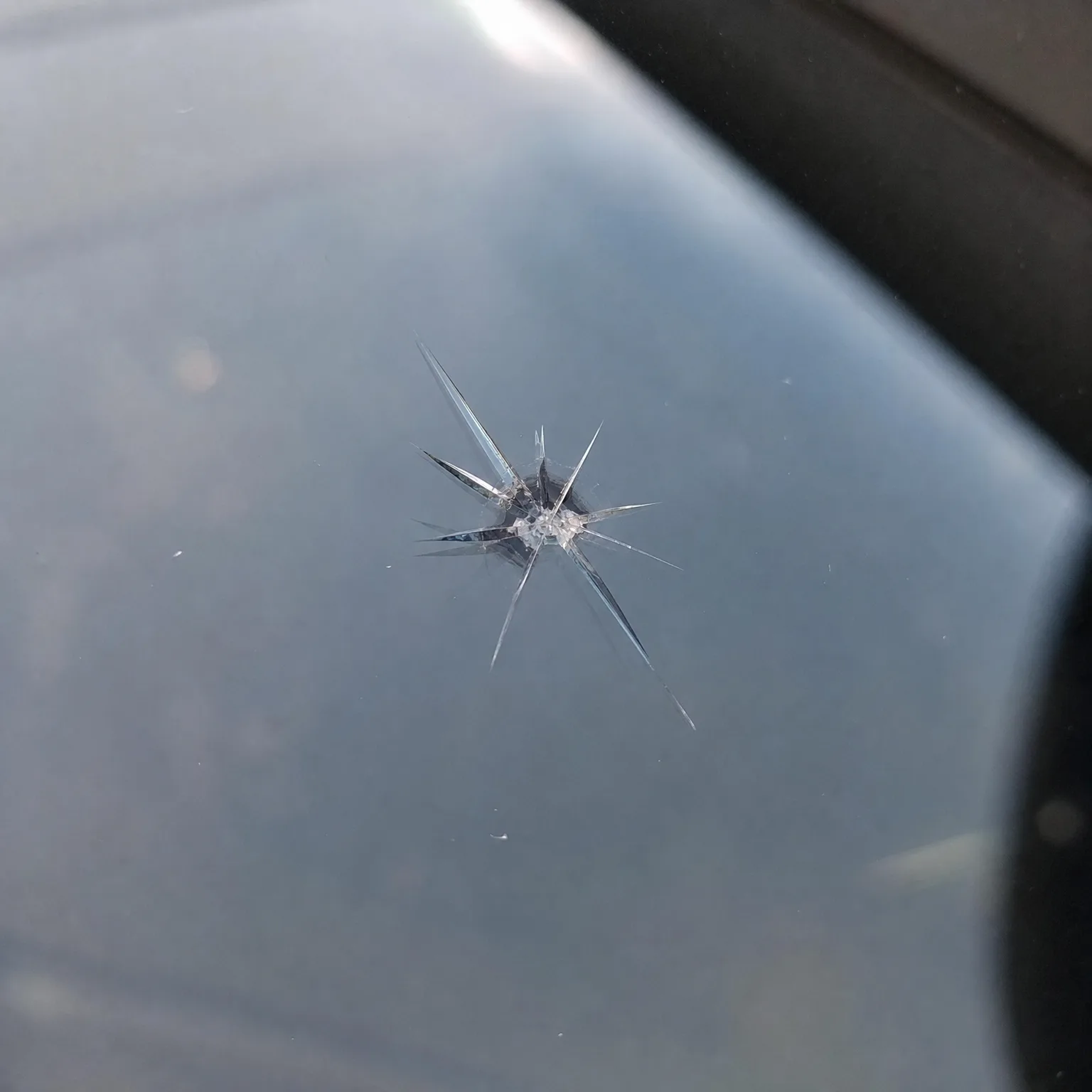
Yes, and it's often overlooked. Tiny pits and scratches that build up over years of wear scatter headlight beams into streaks and halos, even if the glass looks clear in daylight. If your glare has worsened gradually, ask a windshield shop to check for this before assuming it's your eyes or your glasses.