
Do Car Insurance Rates Go Up After a No-Fault Accident
Yes, your rate can still go up after a no-fault accident, because insurers often price on the accident itself, not just who caused it.
What actually decides if your rate moves
- Fault isn't the only factor Insurers can raise rates based on the fact that you were in an accident, not just blame. Ask your insurer directly if they use an accident forgiveness rule or not.
- Your state's rules matter Some states limit or ban surcharges for accidents that weren't your fault. Check with your state's insurance department or your agent to see what applies to you.
- Your claims history counts One not-at-fault accident rarely does much alone, but a pattern of claims adds up over time. Ask your insurer how many years of history they look at.
- Accident forgiveness may help Some policies include or offer a feature that waives a surcharge for your first accident. Ask if you already have this or if it can be added before you need it.
- Shopping around resets the slate A new insurer may weigh your record differently than your current one. Get quotes now so you know if staying or switching costs less.

The short version
Yes, a no-fault accident can still raise your rate, because many insurers price on the accident itself rather than fault alone. State rules and accident forgiveness can soften or prevent this. Ask your insurer directly how they handle it, then compare quotes to see if you'd do better elsewhere.

A driver rear-ended at a stoplight sees their renewal go up
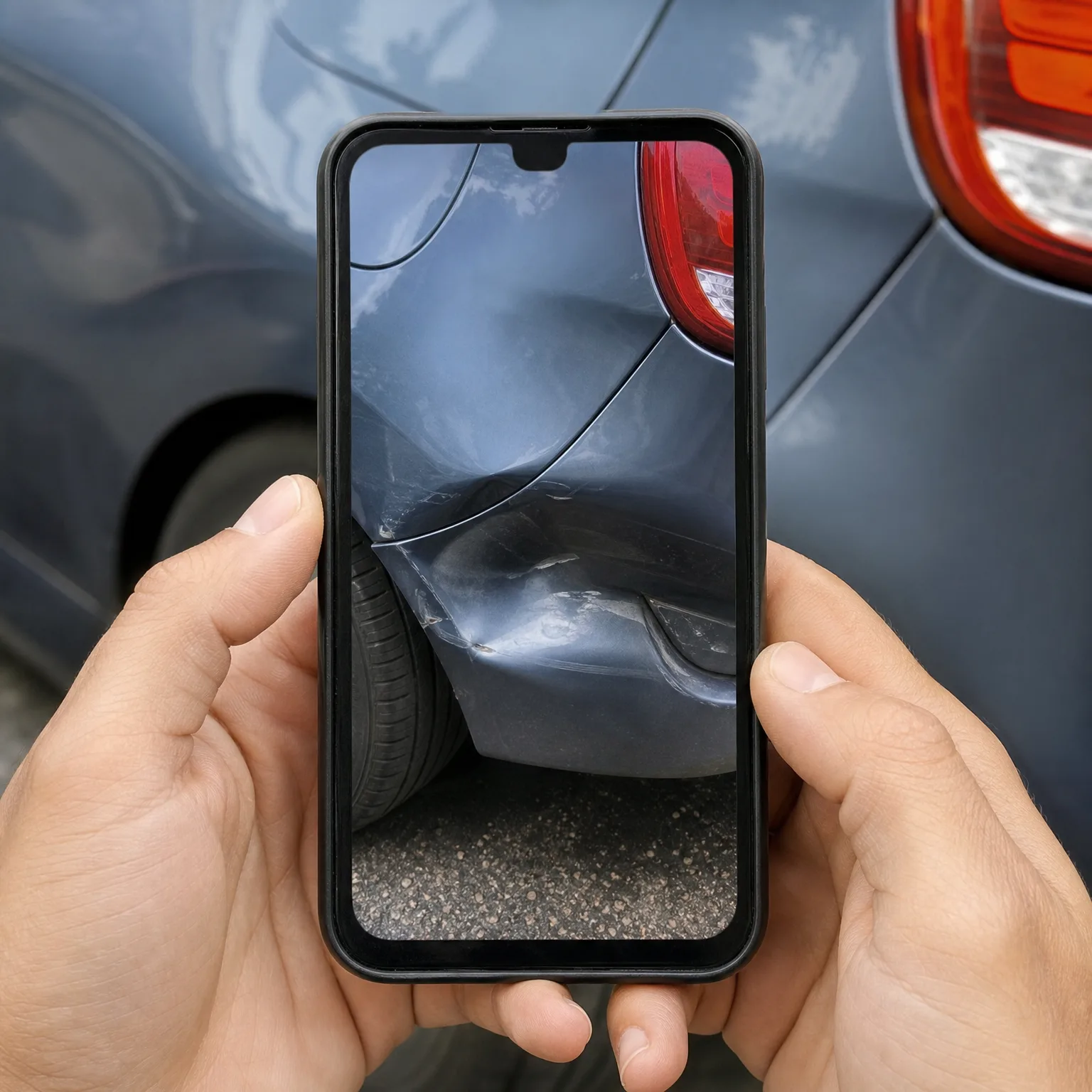
You're stopped at a light and another car hits you from behind. The police report is clear, the other driver's insurer pays for your repairs, and you assume your own rate won't move since you did nothing wrong. A few months later your renewal arrives and it's higher than last year.
You call your insurer and ask why. They explain that their pricing considers any accident on your record, regardless of fault, because it's one data point in predicting future claims. You ask about accident forgiveness and learn you don't have it, but you could add it going forward. You also call two other insurers for quotes and find one that offers a lower rate and includes forgiveness standard. You switch, lock in the lower price, and ask that insurer to confirm in writing how they'd treat a future no-fault accident so there are no surprises next time.
Now that you know a no-fault accident can still affect your rate, compare quotes to see where you actually stand.
Why insurers can raise rates even when you weren't at fault
Car insurance pricing is built around risk, and being in an accident, any accident, is treated as information about future risk. Insurers use statistics showing that drivers who've been in one accident are somewhat more likely to be in another, regardless of who caused the first one. That's the logic behind the surcharge, even when it feels unfair in your specific case.
This isn't universal, though. Some states restrict insurers from raising rates after accidents where their own customer wasn't at fault, treating it as unfair to penalize someone for another driver's mistake. Other states leave this entirely up to the insurer. You have to check your own state's rules or ask your insurer directly, because the answer genuinely differs depending on where you live.
Accident forgiveness is the other major variable. It's a feature, sometimes included automatically after years of safe driving, sometimes added for a small cost, that prevents your first accident from raising your rate at all. Not every insurer offers it, and not every policy includes it by default, so it's worth asking about specifically rather than assuming you have it.
Finally, how much your rate moves, if it moves, depends on your full driving history, not just this one accident. A long clean record before the accident usually softens any increase. A pattern of recent claims makes insurers weigh this one more heavily. That's why the same accident can affect two drivers very differently.

How long does a no-fault accident stay on my record and affect my rate?
It typically stays on your record for several years, though the exact length depends on your insurer and your state. Most insurers look back a set number of years when pricing your renewal, and once the accident falls outside that window, it stops factoring into your rate with that insurer.
The effect on price usually fades well before it disappears from your record entirely. Many insurers weigh recent accidents more heavily than older ones, so even if it's still visible, its impact on your premium often shrinks each year you drive without another incident. If you're unsure how your insurer handles this, ask them directly how many years they consider and whether the accident's impact decreases over time or drops off all at once.