Do I Have to Pay My Deductible if Someone Hits Me
If the other driver caused the crash, their insurance pays the repair bill and your deductible stays out of it.
Your deductible only applies when you use your own collision coverage
A deductible is the part you agreed to cover before your own collision coverage pays the rest. It exists because collision coverage pays out no matter who caused the accident, even if it was your fault. When the accident is someone else's fault, you have another path available, which is filing against that driver's liability coverage, and liability coverage doesn't come with a deductible at all.
This is why the deductible question really comes down to whose insurance pays. If you file with the other driver's insurer and they accept fault, their policy covers your repair costs directly, and you pay nothing upfront. If you file through your own collision coverage instead, your insurer pays but subtracts your deductible first, then tries to recover that money from the other driver's insurer afterward.
People often use their own collision coverage anyway, even when the other driver was clearly at fault, because it gets the car fixed faster. Waiting on another insurer to investigate and accept fault can take time, and your own insurer may move quicker. In that case you do pay your deductible at first, but you get it back once your insurer successfully recovers the money, a process called subrogation.
The outcome also depends on how clear the fault is and what state you're in. Some states assign fault differently when both drivers share blame, and that can change how much you recover or whether you get your full deductible back. Check with your insurer about how fault gets determined where you live and what their subrogation process actually looks like before you decide which path to take.
What decides whether you pay anything upfront
- Whose insurance you file with Filing with the other driver's insurer means no deductible if they accept fault. Filing with your own insurer means paying your deductible first, then waiting for reimbursement.
- How clear fault is Clear-cut fault gets resolved faster and more predictably. If fault is disputed, expect delays and check how your state handles shared blame.
- How fast you need repairs Using your own collision coverage usually gets repairs moving sooner. Ask your insurer how their subrogation process works and how long reimbursement typically takes.
- Other driver's coverage If the other driver is uninsured or underinsured, your own policy becomes your only option. Check whether you carry uninsured motorist coverage and what deductible applies to it.
- What your state requires Some states handle fault and claims differently, especially no-fault states. Check your state's rules so you know which insurer you're actually dealing with.

Now that you know how the deductible depends on fault and which insurer pays, compare quotes with that answer in hand.
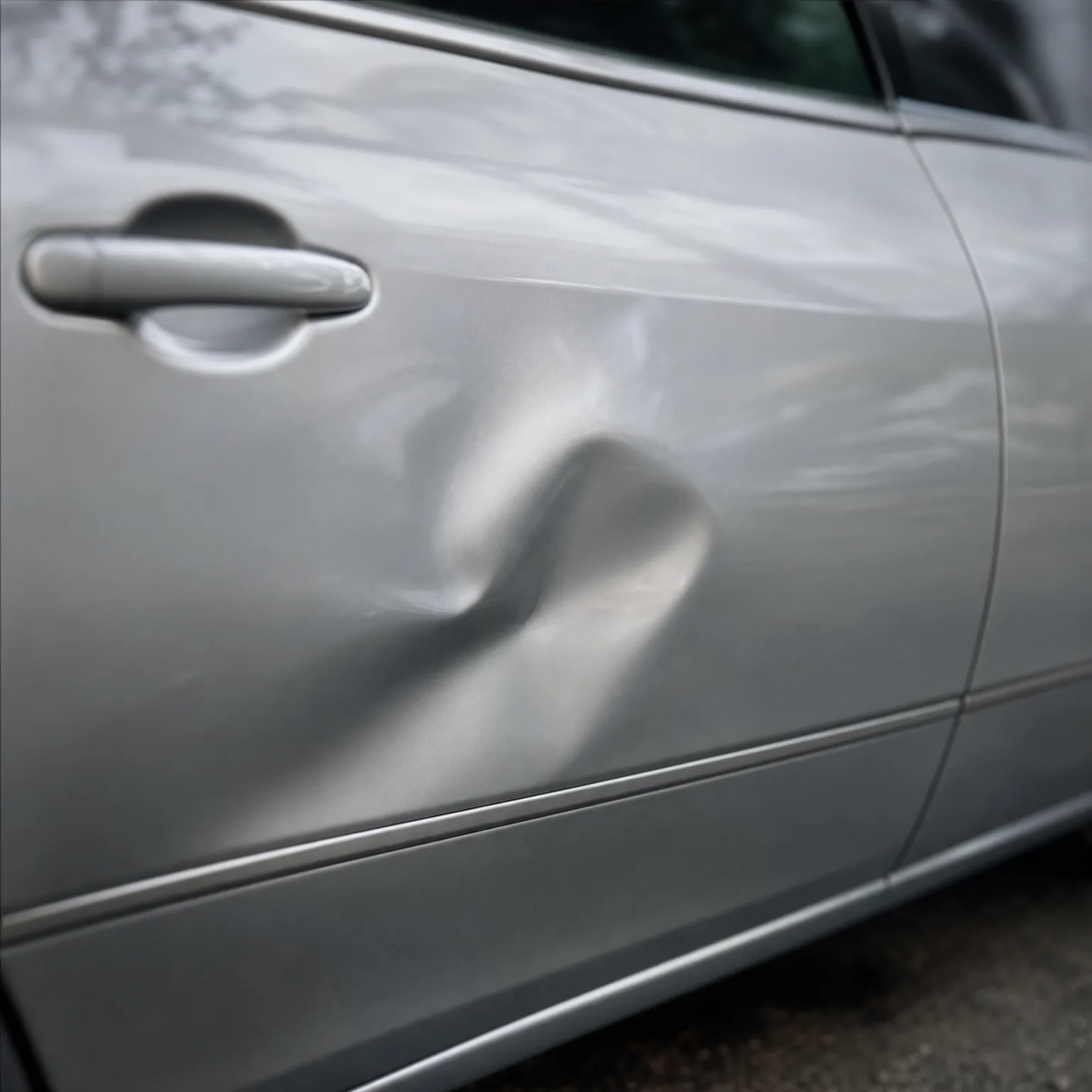
A driver rear-ended at a stoplight
A driver in her early eighties was stopped at a red light when another car rear-ended her. The police report named the other driver at fault, and there were witnesses. She called her insurance agent the same day, and he asked whether she wanted to file with her own insurer or wait on the other driver's company.
She chose to file through the other driver's insurer since fault was clear and she wasn't in a rush to get the car back immediately. It took a few weeks for their adjuster to inspect the damage and approve the repair, but she never paid a deductible. Her agent mentioned that if she'd needed the car fixed right away, she could have used her own collision coverage and been reimbursed later, but since she had a backup vehicle, she waited it out and paid nothing out of pocket.

The deductible isn't automatic, it only applies if you choose to use your own collision coverage.
How long does it take to get my deductible back?
It depends on how quickly your insurer resolves subrogation with the other driver's insurer, which can take anywhere from a few weeks to a few months. Clear fault speeds this up considerably. Check with your insurer for their typical timeline, and ask what happens if the other driver's insurer disputes fault, since that can extend the wait or reduce what you recover.
Will my rates go up if someone else hits me?
Usually not, if the accident is clearly recorded as the other driver's fault. Insurers generally reserve rate increases for accidents you caused. Check your policy or ask your agent how your insurer specifically handles not-at-fault claims, since this can vary, and confirm whether filing a claim at all gets noted on your record even when you're not at fault.
What if the other driver has no insurance?
Then your own uninsured motorist coverage, if you carry it, becomes the way your repairs get paid. This coverage often has its own deductible, separate from your collision deductible. Check your policy for whether you have this coverage and what applies, since without it you may have fewer options for recovering costs from an uninsured driver.