Do I Need Full Coverage on an Old Car
Drop full coverage once your car's value falls below what a year of those premiums would cost you.
It comes down to what the payout would actually be
Full coverage pays you the car's current market value if it's stolen or totaled, not what you paid for it and not what a repair costs. As a car ages, that value keeps falling, but the price of comprehensive and collision coverage doesn't fall nearly as fast. At some point you're paying a steady premium to insure a shrinking number.
The way to see this clearly is to compare what you pay each year for comprehensive and collision against what the car is worth right now. If the yearly cost is close to or more than the payout you'd get, the coverage isn't doing much for you financially. You'd be better off setting that money aside or simply covering a replacement out of pocket if the worst happens.
This changes if you couldn't absorb the cost of replacing the car without insurance. If losing the car would mean you couldn't get to appointments or run errands, that risk matters more than the math alone. It also changes if you still owe money on the car, since a lender usually requires full coverage until the loan is paid off.
State rules don't change this calculation, but what counts as minimum coverage does vary by state, so check what your state requires before you drop anything. Insurers also value cars differently, so get an actual number for your car's worth before deciding, rather than guessing.
Check these before you drop anything
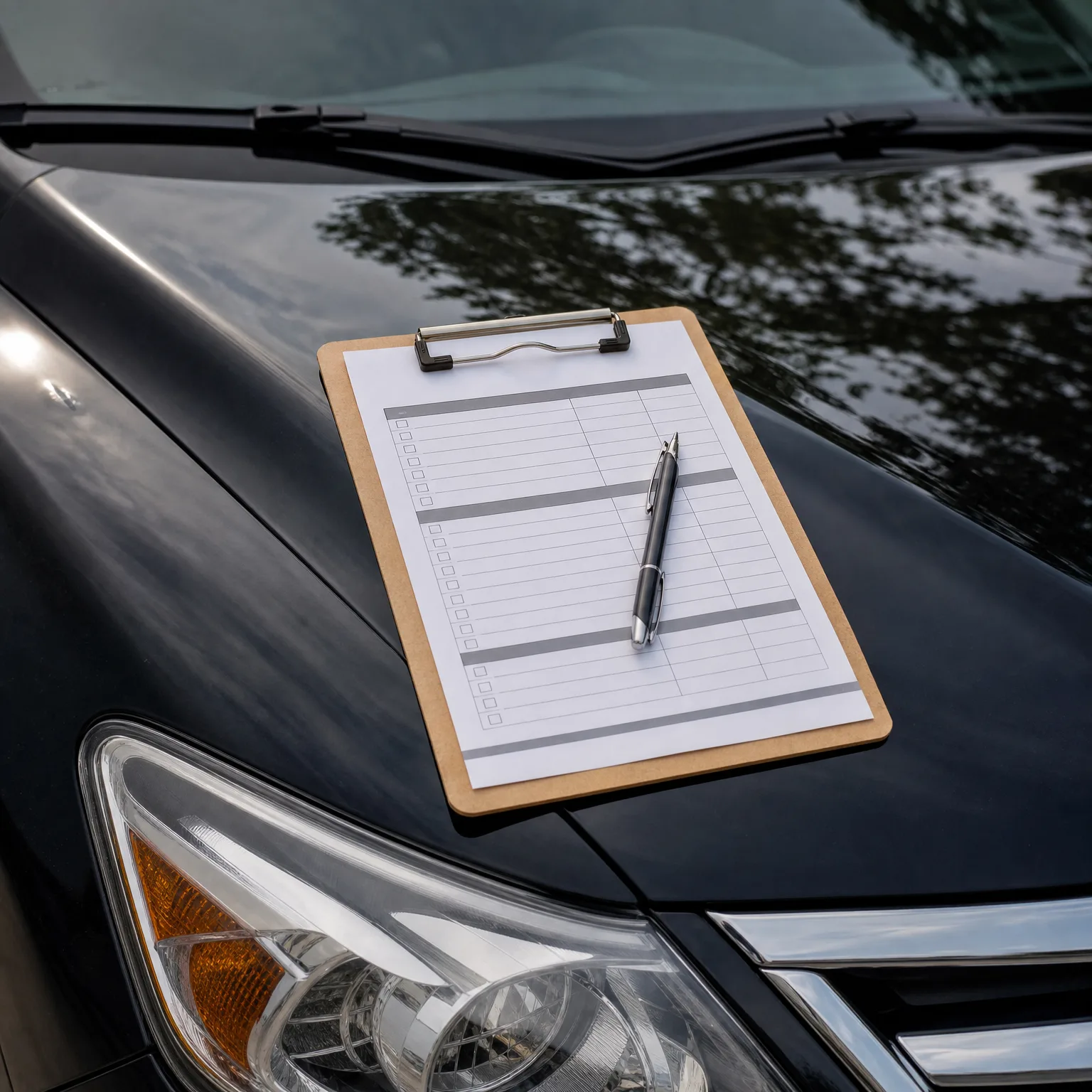
- Get the car's real value Ask your insurer or check a valuation tool for what your car is actually worth today. This number, not the purchase price, is what decides whether full coverage still makes sense.
- Compare that to your premium Look at what you pay yearly for comprehensive and collision specifically. If that cost is close to the car's value, the coverage is no longer protecting much.
- Check for a loan or lease If you still owe money on the car, your lender likely requires full coverage regardless of the car's age. Confirm this before making any changes.
- Keep liability coverage Dropping full coverage doesn't mean dropping all coverage. Liability is required almost everywhere and protects you if you cause damage to someone else.
- Consider a higher deductible If you want to keep some protection but lower your premium, raising your deductible can help. It keeps coverage in place while reducing what you pay regularly.

Deciding whether to drop full coverage
If you do
You stop paying for comprehensive and collision, which lowers your premium right away. If the car is stolen, damaged badly, or totaled, you cover repair or replacement yourself. You keep liability coverage, so you're still protected if you cause an accident involving someone else's car or property.
If you don't
You keep paying the same premium as before, which may feel steady and familiar. If something happens to the car, you get a payout based on its current value, which could be modest for an older car. You skip comparing the numbers, but you may end up paying more than the protection is worth.
Compare quotes now that you know whether full coverage still makes sense for your car.

What is my car actually worth right now?
It's the current market value for a car of its age, mileage, and condition, not what you paid or what you think it's worth sentimentally. Your insurer can give you this number, or you can check an independent valuation tool. This is the figure that determines what a payout would be, so get an actual number before deciding anything about your coverage.
Will dropping full coverage affect my premium right away?
Yes, removing comprehensive and collision lowers your premium starting with your next billing cycle in most cases. The exact timing can depend on your insurer, so ask directly when you make the change. If you're mid-term on a policy, you may also be able to request a partial refund or adjustment, which varies by insurer.
Can I add full coverage back later if I change my mind?
Yes, you can typically add comprehensive and collision back at any renewal or policy change, as long as the car still qualifies and you're not mid-claim. There's no penalty for having dropped it earlier. Just confirm with your insurer what documentation or inspection, if any, is needed to add it back.
The question isn't what you paid for the car, it's what it's worth to replace today.