Do I Need to Tell My Insurance Company if Someone Hits Me
Yes, tell your insurer even if the other driver caused the crash, because waiting can hurt your coverage and your claim.
Your policy requires prompt notice no matter who caused it
Your policy has a clause requiring you to report any accident within a reasonable time, regardless of fault. This exists so your insurer can protect your interests from the start, gather evidence while it is fresh, and step in if the other driver's insurance delays or denies the claim.
If you wait and the other driver's insurer disputes fault, changes their story, or turns out to be underinsured, your own insurer may have lost the chance to investigate properly. That can weaken your position just when you need backup most. Reporting early keeps your own uninsured or underinsured motorist coverage available if the other side does not pay as expected.
There are cases where a quick, minor bump with no damage and no injuries does not need to go through your insurer at all, especially if you and the other driver settle it directly and your state allows that. But anything involving an injury, meaningful damage, or a disputed story should go on record with your company right away.
What counts as a reportable accident and how much time counts as reasonable can vary by state and by insurer. Check your policy documents or call your agent to see the exact wording that applies to you.
What to do after someone else hits you
- Report it anyway Call your insurer even though the other driver was at fault. This protects your right to use your own coverage if their insurance falls through.
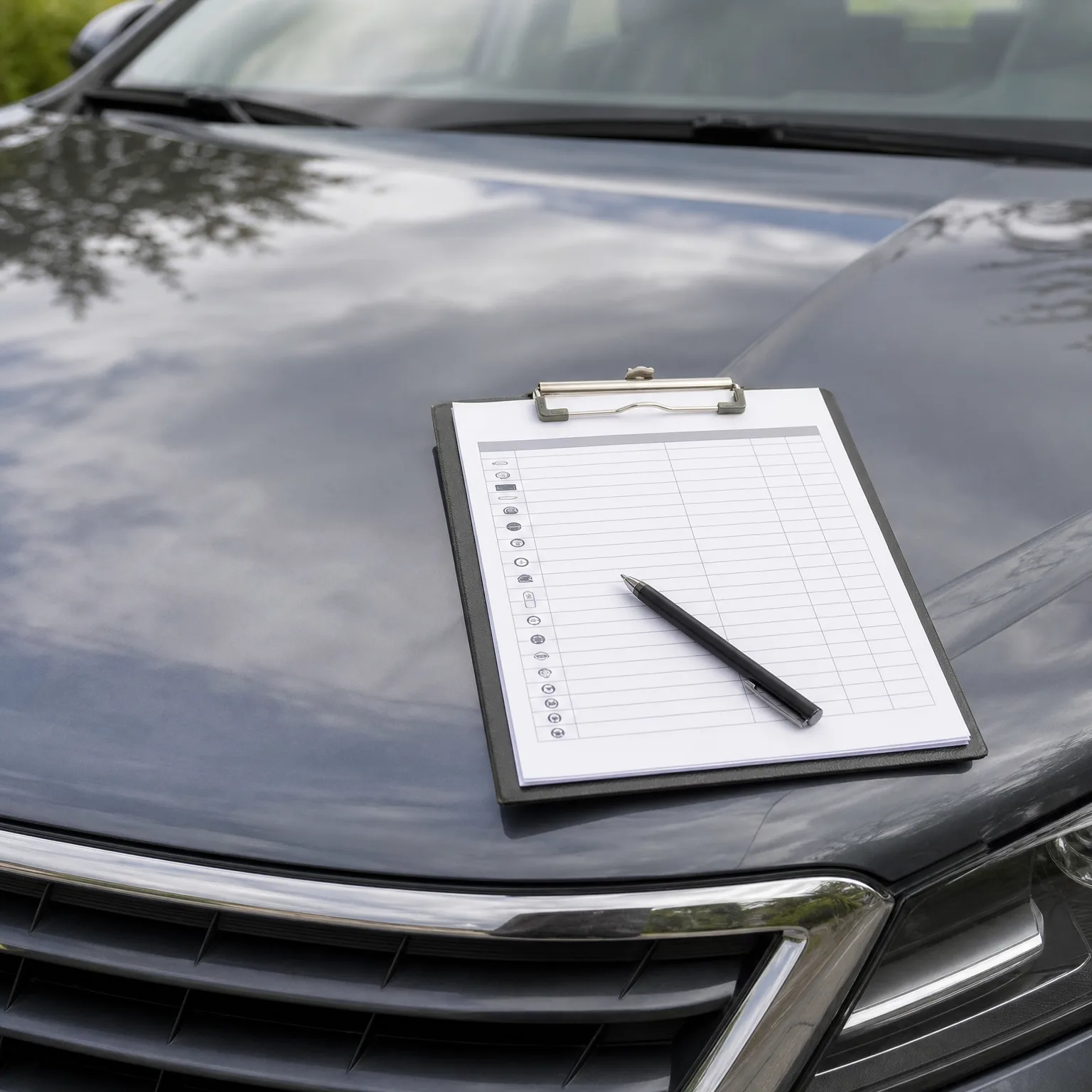
- Document everything Take photos, get the other driver's information, and note witnesses. This gives your insurer what they need if the claim gets disputed later.
- Watch for rate effects A not-at-fault claim usually should not raise your rate, but ask your insurer directly. Rules on this differ by company and by state.
- Know your deductible options You can usually file through your own collision coverage and get reimbursed once fault is confirmed. Ask your agent which path is faster for you.
- Keep your own notes Write down dates, names, and what was said in every call. This protects you if the claim takes weeks or months to settle.

Once you know reporting won't cost you, compare quotes to make sure you're still getting the best rate after this claim.

Reporting the accident to your insurer
If you do
Your insurer opens a file, documents the details while they're fresh, and can step in if the other driver's insurance denies or delays payment. You stay covered under your own uninsured motorist protection if needed. Your agent can also confirm this won't be held against you since you weren't at fault.
If you don't
If the other driver's story changes, their insurer disputes fault, or they turn out to be uninsured, you may have no backup. Your own insurer won't have had the chance to investigate early, and you could end up paying out of pocket for repairs or medical costs you expected someone else to cover.
Will reporting this accident raise my rate even though it wasn't my fault?
Usually not, but it depends on your insurer and your state. Most companies have a clear policy of not raising rates for accidents where you were not at fault, since raising your price for someone else's mistake would not make sense to most people.
Still, ask your agent directly and get the answer in writing if you can. Some insurers look at total claims history regardless of fault, and some states allow that practice while others restrict it. If you are worried about this, it is also worth asking what counts as an at-fault accident under your specific policy, since the definition is not always as simple as who got the ticket.

Reporting early protects you, it doesn't put you at risk, so the real danger is in waiting, not in calling.