Do Police Come to Accidents in Parking Lots
Police often won't respond to a parking lot fender bender unless someone is hurt or a car can't be moved, but it still varies by department.
A fender bender outside the grocery store
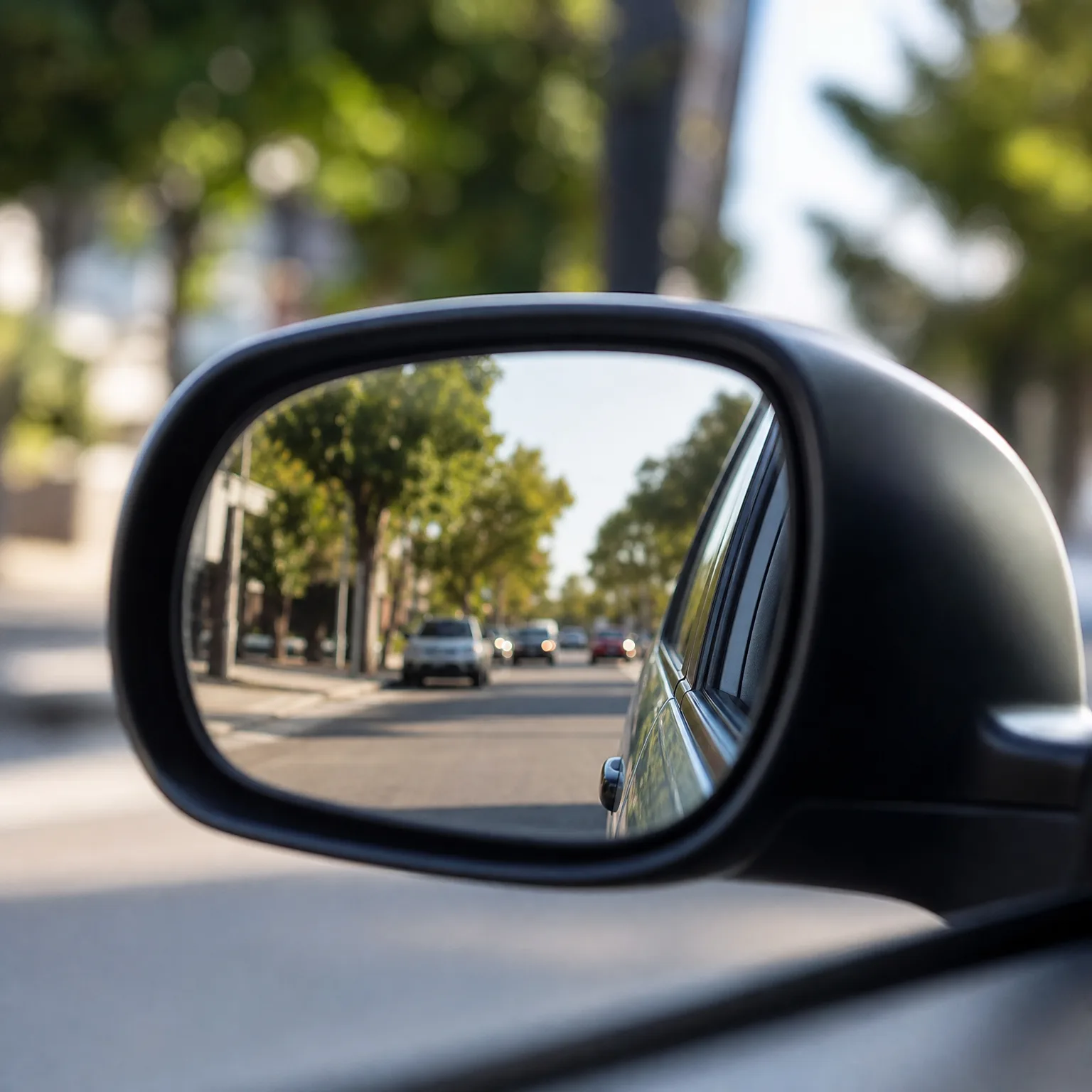
You back out of a space and clip another car that was also backing out. Both bumpers have scrapes, nobody's hurt, and the lot is otherwise quiet. You call the nonemergency police line out of habit, and the dispatcher asks a few questions. No injuries, both cars can still drive, no one blocking traffic. She tells you an officer isn't coming out for this, and suggests you and the other driver exchange information and take photos yourselves.
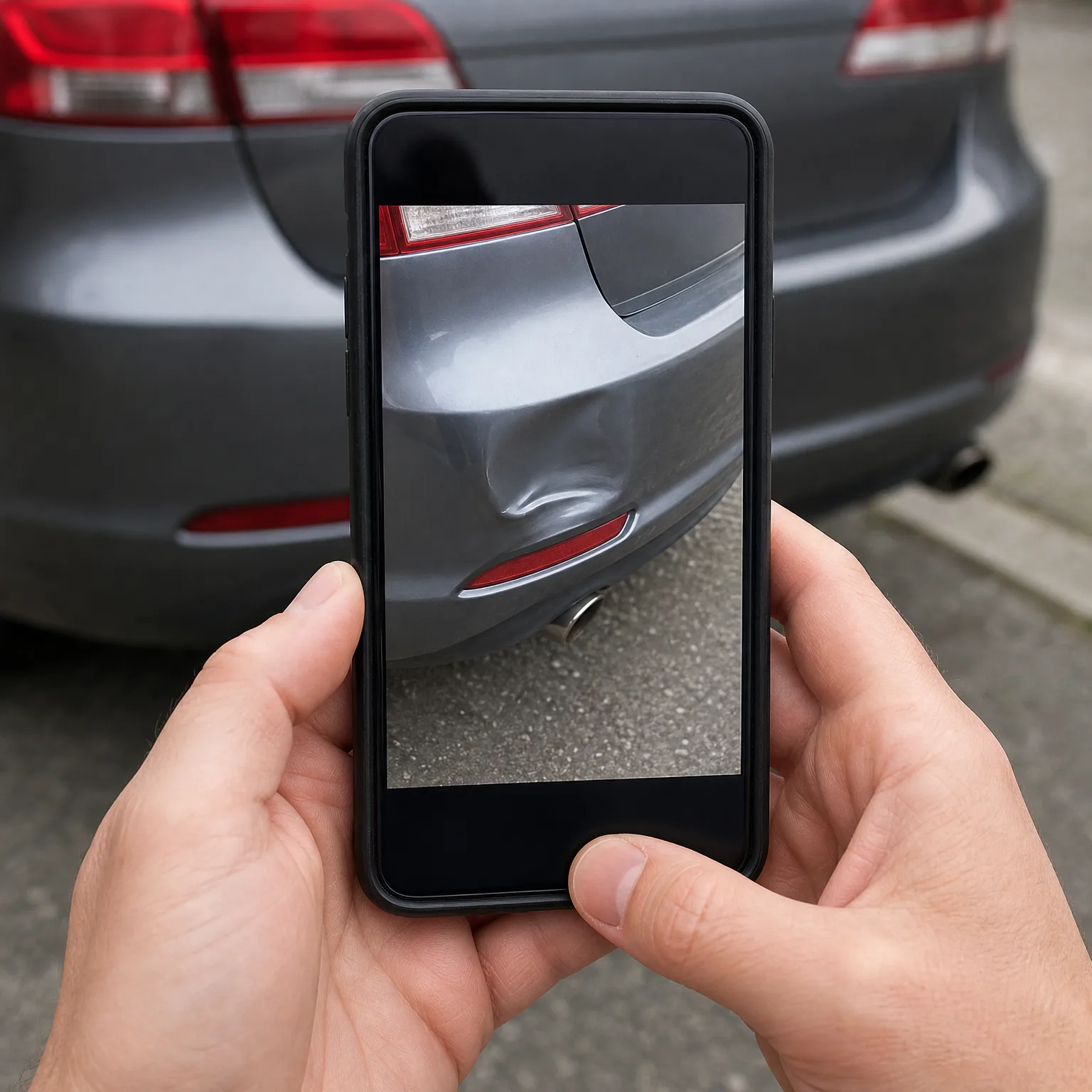
You write down the other driver's name, phone number, insurance company, and plate number, and you take pictures of both bumpers and the position of the cars. You also ask the store if there's a security camera pointed at that part of the lot, and the manager says yes and takes your contact information in case your insurer needs the footage later. When you file your claim, you hand over the photos and the other driver's information, and the adjuster works from that. No report number, no officer, just your own documentation doing the job.
What if the other driver won't give me their insurance information?
If a driver refuses to share their insurance or contact details after a parking lot accident, that is usually reason enough to call police even for minor damage. Most departments will send someone out, or at least take a report over the phone, when one driver is stonewalling the other.
Get the license plate and a photo of the car and driver if you can do so safely, and note the time and location. Your insurer can often trace a policy from a plate number if you end up filing without the other driver's cooperation. Refusal to cooperate is also worth mentioning to your own insurer right away, since it can affect how they handle the claim.

Should you call the police after a parking lot accident
If you do
You get a record from someone outside the situation, which helps if the other driver later changes their story. If there's real damage or any injury, you'll also have an official report number your insurer can request directly, which speeds up the claim and settles disputes about fault without relying only on photos.
If you don't
For minor damage with no injuries, you'll rely entirely on your own photos, notes, and the other driver's cooperation. That's usually enough, but if they later deny fault or give you bad information, you won't have an outside record to fall back on, and your claim can take longer to sort out.
Once you know how a parking lot accident will likely be handled, compare quotes to see how it affects what you pay.
What decides whether police show up
- Injuries change everything Any injury, even one that seems minor, means you should call regardless of how small the damage looks. Dispatchers almost always send someone out when a person might be hurt.
- Damage severity matters Light scrapes often don't bring an officer, but damage that leaves a car undrivable usually does. Describe the damage honestly when you call so dispatch can decide.
- Private lots work differently Some departments treat private lots, like those at stores or apartments, as lower priority than public roads. Ask the dispatcher directly whether they'll send someone to that type of location.
- Local policy varies a lot Each department sets its own threshold for responding to parking lot crashes. Call the nonemergency line and ask what their policy is before assuming either way.
- You can still file without one No police report doesn't block your claim if you have photos, witness names, and the other driver's information. Document the scene yourself as if no one else will.
No police report doesn't weaken your claim, your own documentation is what actually protects it.