
Do Retired People Get a Discount on Car Insurance
Some insurers do cut your rate for being retired, but it's usually tied to driving less, not the fact that you stopped working.
The discount is really about driving less, not retirement itself
Insurers price risk based on how much you drive, where you drive, and how often you're on the road during high traffic hours. Retirement often changes all three. You're no longer commuting during rush hour, you may be putting fewer miles on the car each year, and your trips are more likely to be local errands than long drives. Some insurers reward that shift directly, calling it a retiree discount. Others fold it into a broader low mileage or usage based discount that anyone could qualify for, retired or not.
This is why two retired drivers in the same town can get different answers from the same company. If one still drives to a part time job or regularly visits family three states away, their mileage may look similar to someone still working full time. The label on the discount matters less than the actual numbers your insurer sees.
Your state matters here too. Some states allow insurers to offer age based or status based discounts explicitly. Others restrict pricing based on age alone, so insurers build the same savings into mileage or usage categories instead. Check with your insurer or agent about which approach applies where you live, since the name of the discount can be different even when the savings are the same.
There's also a separate effect working against this discount, which is that insurers tend to raise rates gradually in your late seventies and eighties regardless of mileage, based on broader claims data for that age group. A retirement discount can offset part of that increase, but it doesn't cancel it out. Understanding both forces helps you read your renewal correctly instead of assuming one explains the other.
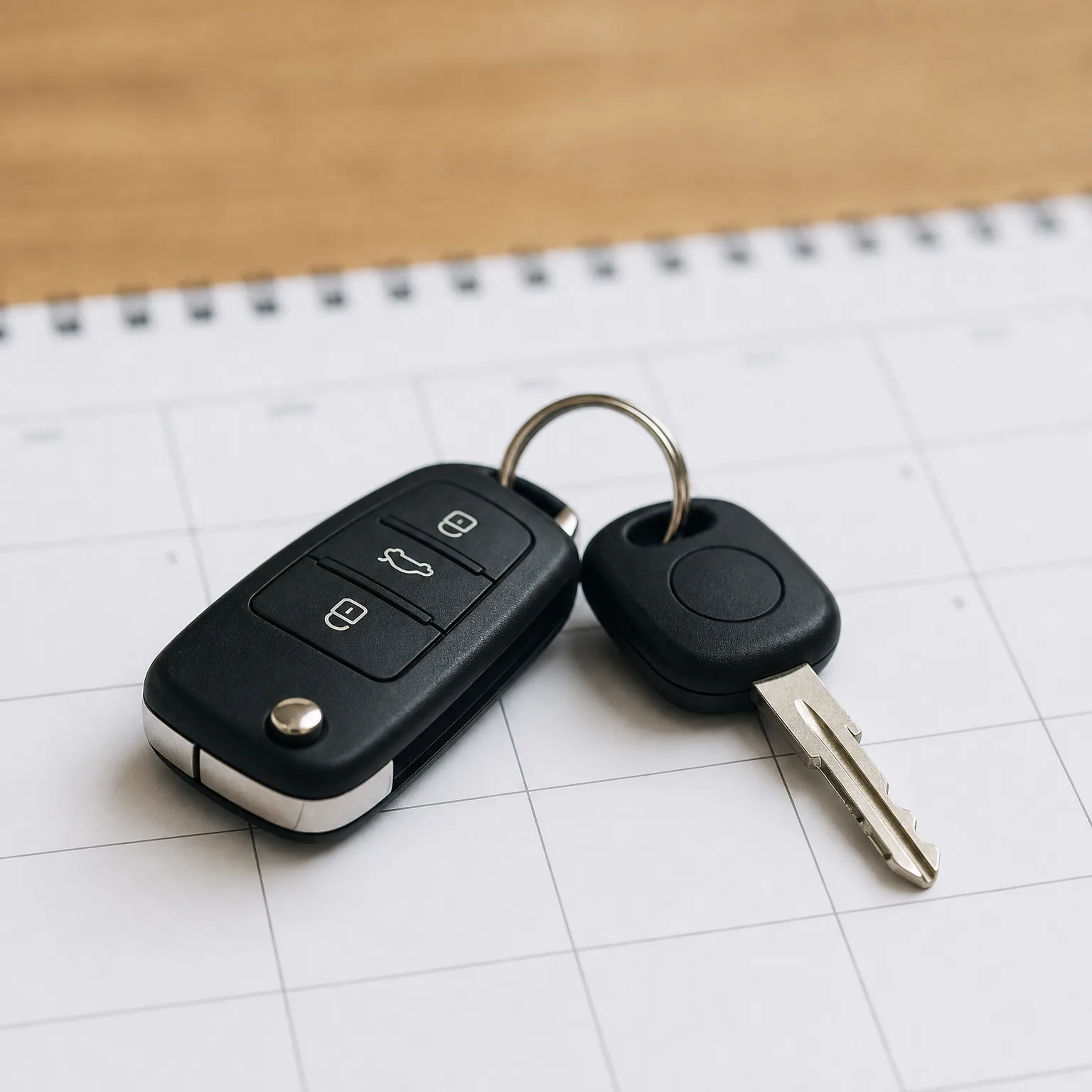
What actually determines whether you qualify
- Annual mileage Insurers want a real number, not an estimate. Check your odometer against last year's reading and report it accurately when asked.
- Commute status Telling your insurer you no longer commute to work can trigger a lower rate category. Update this on your policy instead of waiting for renewal.
- Defensive driving courses Many insurers discount policies for completing an approved course, and some target these specifically at older drivers. Ask your insurer which courses they accept before you pay for one.
- Bundling and loyalty Long term customers sometimes qualify for loyalty pricing that works alongside any retirement or mileage discount. Ask directly whether you're getting every discount you're eligible for, since insurers don't always apply them automatically.
- Vehicle usage type A car used only for errands and local trips costs less to insure than one used for regular long distance travel. Make sure your policy reflects how you actually use the car now.

Compare quotes now that you know which discounts to ask for and which details actually change your price.

Whether you ask your insurer about retirement discounts
If you do
You tell your insurer you're retired and ask what applies. They check your mileage, commute status, and any course credits, then recalculate your rate. If you qualify, the discount applies going forward. If not, you've confirmed there's nothing left on the table and can compare other insurers with full information.
If you don't
Your policy renews at whatever rate the insurer's system generates, without anyone checking if retirement, lower mileage, or a completed driving course would have lowered it. You keep paying for a commute or mileage assumption that no longer matches how you actually drive, possibly for years.
A driver who assumed nothing had changed on his policy
A driver in his early eighties retired two years earlier but never updated his policy. He still had it listed as a daily commuter vehicle from when he drove to work each morning. His renewal had gone up again that year, and he assumed it was simply his age. He called his insurer to ask directly whether retirement qualified him for anything.
The agent asked about his mileage and commute status, and he realized he hadn't reported either since retiring. Once he updated both, his mileage estimate dropped significantly and his commute status changed to none. Combined with a defensive driving course he'd taken years earlier but never mentioned, his rate came down enough to notice on his next bill. The age related increase was still there underneath it, but the update meant he wasn't paying for a commute that no longer existed on top of it.
Does my insurer lower rates just for turning a certain age, like 75 or 80?
No, age alone doesn't trigger a discount, and in fact age is more often the reason your rate goes up during this period. What lowers your rate is the behavior associated with retirement, lower mileage, no commute, completed driving courses, not the birthday itself. Check with your insurer about which specific factors they price on, since some weigh mileage heavily while others focus more on claims history for your age group. If your rate rose despite less driving, ask specifically what changed.
Will a medical condition affect my car insurance rate?
It can, but only if it affects your driving record or ability to pass license requirements, not because of the diagnosis itself. Insurers don't see your medical records directly. They see tickets, accidents, and license status. If a condition leads to a restricted license or a lapse, that can affect pricing. Ask your insurer whether they require updated license status at renewal, since requirements vary, and check with your state's licensing agency about what medical reporting rules apply to renewal at your age.
Can I lower my rate by driving fewer miles each year on purpose?
Yes, reducing your annual mileage can lower your rate, since mileage is one of the clearest risk factors insurers use. Ask your insurer what mileage bands they use and whether you're close to a lower one, since even a modest reduction can move you into a cheaper category. Combine this with accurately reporting your commute status, since insurers sometimes still have an old commute distance on file that inflates your estimated annual mileage without you realizing it.