Do Wireless Backup Cameras Really Work
Yes, wireless backup cameras work reliably for most drivers, as long as you pick a model suited to your vehicle and mounting needs.
Choosing a camera after a tight parking spot incident
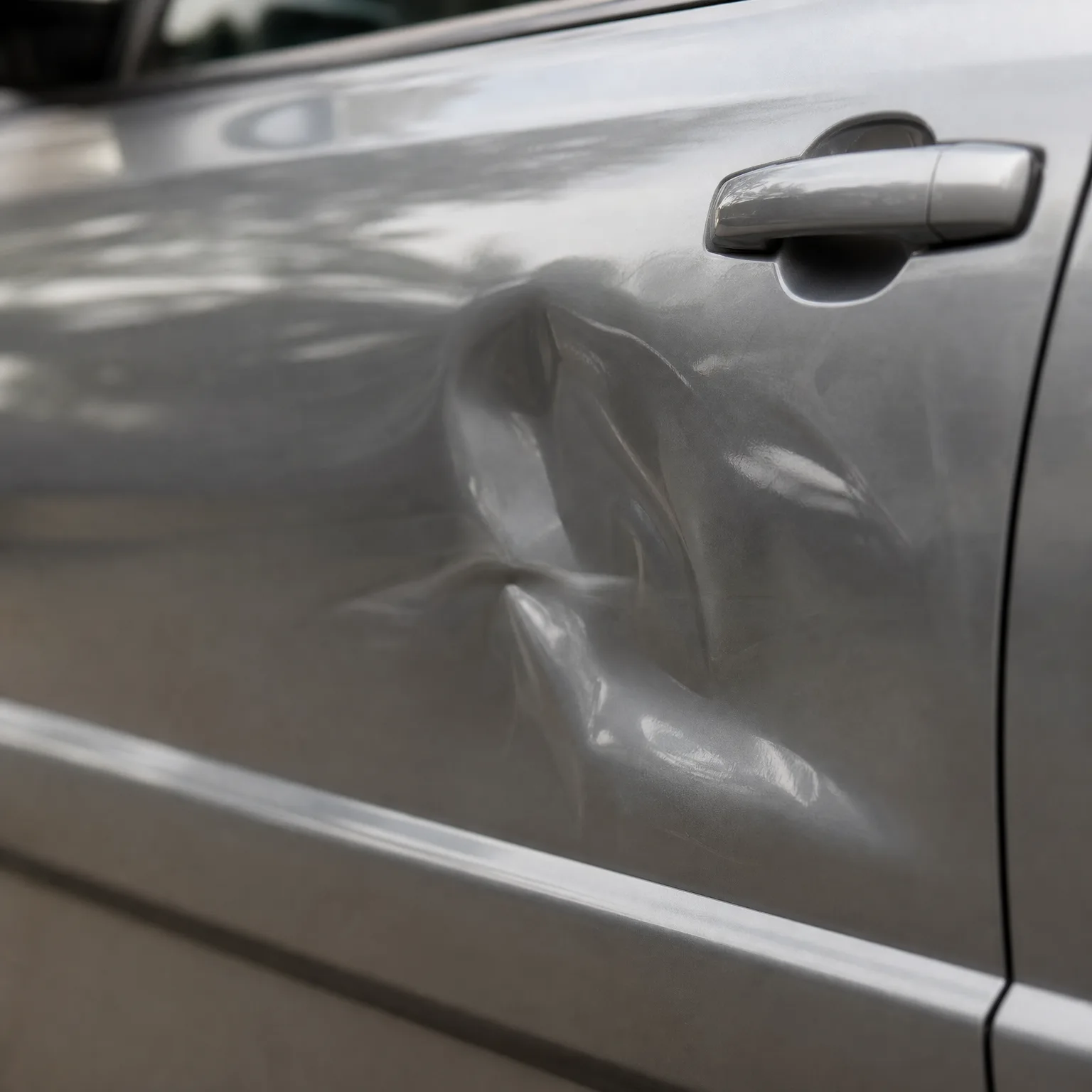
A driver in their 80s backed into a low post in a parking lot that she hadn't seen through her mirrors. The car was fine, but the moment shook her, and her son suggested a backup camera. She didn't want a complicated installation or anything that involved cutting into the dashboard, so she looked at wireless options that mount near the license plate and send a picture to a small screen suction-cupped to the windshield.
She tested the camera in her own driveway before relying on it, backing toward a trash can slowly and watching how the picture updated. The screen showed a clear, steady image with only a slight delay, well within what she needed for careful, slow parking lot driving. She kept using her mirrors too, treating the camera as an added check rather than a replacement. A few months in, she backed out of a crowded spot at the pharmacy and saw a cart behind her that she wouldn't have caught in her mirrors alone. The camera paid for itself in that one moment.
Will a backup camera lower my insurance rate?
Usually not by itself. Insurers price your policy mainly on your driving record, the car you drive, where you live, and your coverage choices. A backup camera is a safety accessory, not a factor most insurers weigh heavily in that pricing, because it doesn't change your history behind the wheel.
What it can do is help you avoid the kind of low-speed parking lot accident that would otherwise raise your rate at your next renewal. In that sense it protects the record you already have. If you want to know whether your insurer gives any credit for safety equipment, ask directly, since this varies by insurer and isn't something you should assume either way.
A backup camera doesn't replace your judgment, it gives your judgment better information to work with.
Once you've decided how you'll handle blind spots, compare quotes to see how that decision affects your rate.
What actually determines whether a wireless camera works for you
- Signal reliability Wireless cameras send a picture through a radio signal, and metal, distance, or interference can weaken it. Test the camera in your own car before trusting it in traffic.
- Screen placement The screen needs to sit where you can glance at it without turning away from your mirrors for long. Mount it low on the windshield or on the dash within easy eye reach.
- Power source Some wireless cameras run on a battery you recharge, others wire into your tail light. Decide which upkeep you're willing to do before you buy, since a dead battery defeats the purpose.
- Picture lag There's almost always a small delay between what's behind you and what shows on screen. Back up slowly enough that the delay doesn't matter, the same way you would with any mirror check.
- Weather exposure The camera sits outside and faces rain, road salt, and temperature swings. Choose one built for outdoor use and check the lens periodically for grime that blocks the view.
Why wireless cameras work for most drivers but not all setups
A wireless backup camera works by placing a small camera near your rear license plate and sending its video to a screen inside the car over a radio signal, similar to how a cordless phone sends sound. This avoids running a cable through your trunk and cabin, which is the main reason people choose wireless over wired. For most cars and most driveways, that signal travels the short distance reliably and the picture comes through clear and nearly instant.
Where it gets less reliable is in cars with a lot of metal between the camera and the screen, or in situations with other wireless devices nearby competing for the same frequency. This is uncommon but not impossible, and it's why testing the camera yourself in your own car, in your own driveway, matters more than trusting the packaging. A camera that works perfectly in a showroom can behave differently once it's mounted on your specific vehicle.
The other variable is how you use it. A camera is most useful as a second check alongside your mirrors, not a replacement for turning your head or using your mirrors at all. Drivers who treat it as the only thing they look at sometimes miss something at the very edge of the frame that a mirror or a glance over the shoulder would have caught. The camera widens what you can see behind you, it doesn't replace the habit of checking multiple sources before you move.
Finally, how well it holds up depends on upkeep. Lenses get dirty, batteries run low, and mounts can loosen over time. A camera that worked perfectly when installed can quietly stop helping months later if nobody checks it. Treating it like any other piece of equipment that needs occasional attention is what keeps it working the way it did on day one.