Do You Pay Your Deductible Before or After Repairs
You pay it after the repairs are done, directly to the shop, as part of settling your final bill.
The shop gets paid once, from two sources combined
Your insurer doesn't collect your deductible and then send money separately. Instead, the repair shop bills the total cost of the work, and that bill gets paid from two directions at once. Your insurer sends its share, which is the repair cost minus your deductible, and you pay the rest straight to the shop.
This order exists because nobody knows the final repair cost until the work is actually done. An estimate can change once a mechanic opens up a door panel or finds damage that wasn't visible before. Collecting your deductible upfront, before the real number is known, would mean constant refunds or extra charges. Waiting until the end keeps it simple, one final number, one payment from you.
Most shops that work regularly with insurers are used to this process and will explain it before they start. They'll often tell you your estimated share up front, even though the exact amount is settled at pickup. If you're paying out of pocket for a small claim instead of filing one, there's no deductible involved at all. That only applies once you've actually opened a claim.
There are exceptions worth checking. Some insurers pay the shop directly and never involve you in the transaction beyond your deductible. Others, especially with older cars or total losses, handle payment differently because there's no repair bill to split. If your claim involves a total loss, ask your insurer directly how the deductible applies, since it usually comes out of your settlement instead.
What to know before the repair bill arrives
- Confirm the shop's process Ask the shop upfront whether they collect your deductible directly or whether your insurer handles the full payment split. This avoids surprises when you pick up your car.
- Get the estimate in writing A written estimate shows what your insurer will cover and what you're expected to pay. Keep it so you can compare it to the final invoice.
- Know your deductible amount Check your policy documents or your declarations page for your exact deductible. It won't change mid-claim unless you've switched coverage recently.
- Ask about direct repair programs Some insurers have preferred shops that bill them directly, which can simplify your part of the payment. Ask your insurer if such a shop is near you.
- Watch for total loss differences If your car is declared a total loss, the deductible usually comes out of your settlement check instead of a repair bill. Ask your adjuster how that applies to your claim.
A fender bender that needed a new bumper and sensor
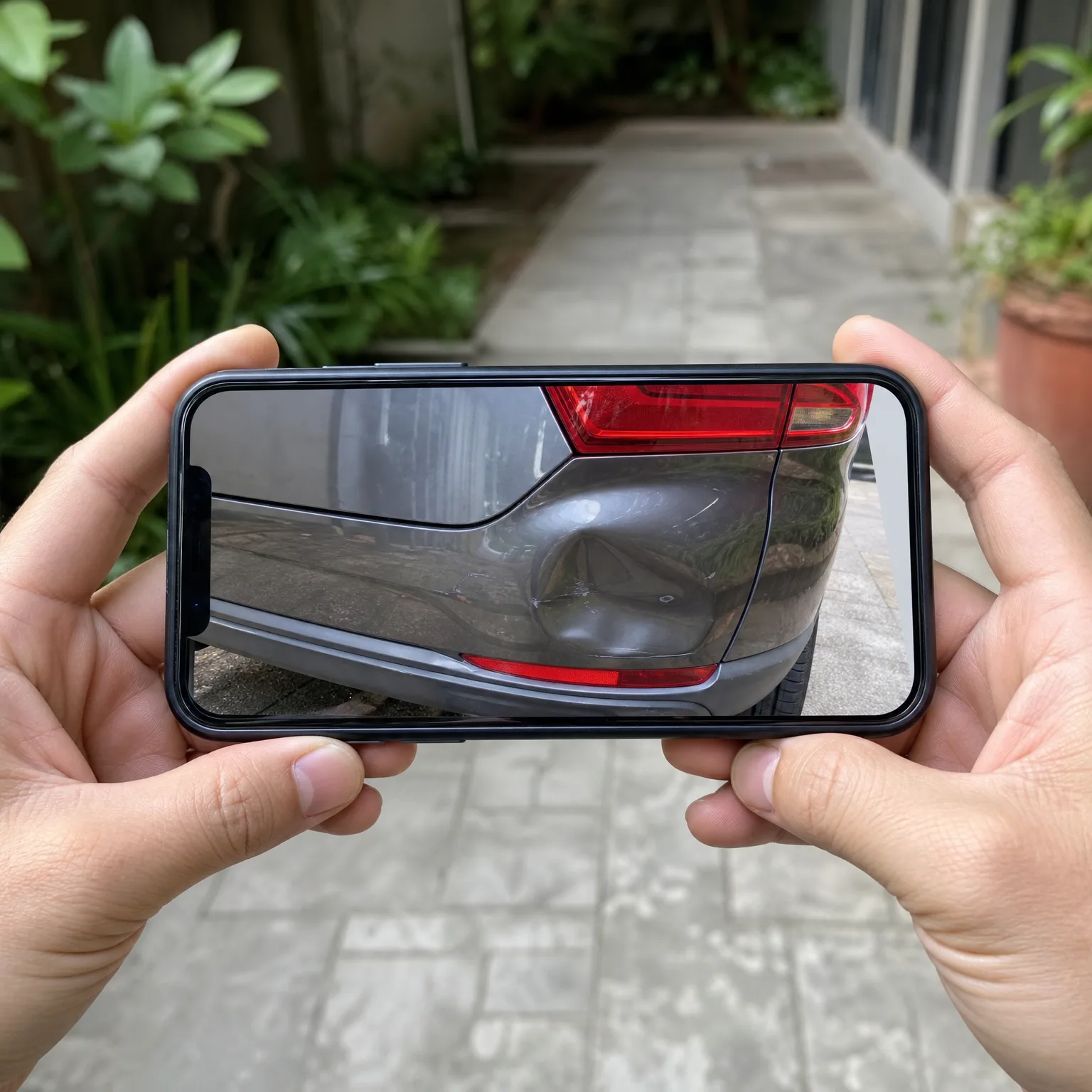
Say another driver backed into your parked car and damaged your rear bumper along with a parking sensor. You filed a claim, and your insurer sent an adjuster to inspect the damage before approving an estimate. The shop quoted the repair, your insurer approved its share, and you dropped the car off without paying anything that day.
A few days later, the shop called to say they'd found an additional wiring issue behind the bumper that increased the total cost. They contacted your insurer directly, got updated approval, and finished the work. When you picked up the car, the final invoice was ready, showing the total repair cost, what your insurer paid, and your deductible as the remaining balance. You paid that amount to the shop with a card, and that was the end of it. No separate payment to your insurer was ever required, and the whole deductible process took about as long as it took to settle the bill at checkout.
Now that you know how the payment actually works, compare quotes to see how your deductible choice affects your rate.

Can I negotiate my deductible with the repair shop?
No, the deductible is set by your policy, not the shop. The shop only collects it as part of the total bill. If you want a lower deductible, that's a change you make with your insurer before a claim happens, usually at renewal, and it will likely raise your premium in exchange.
What happens if I can't afford my deductible right now?
Talk to the shop before repairs start, since many offer payment plans or will delay the balance until you're ready. Some insurers also allow you to pause a claim briefly. Letting repairs stall without communicating can complicate the claim, so it's worth being upfront early rather than avoiding the conversation.
Does the deductible apply if the other driver is at fault?
It depends on whose insurance pays. If you file through your own policy, your deductible typically applies even if you're not at fault, though you may get it refunded once your insurer recovers costs from the other driver's insurer. Filing directly through the at-fault driver's insurer usually avoids your deductible entirely.

The deductible isn't a fee you prepay, it's just your share of one final bill once the real cost is known.