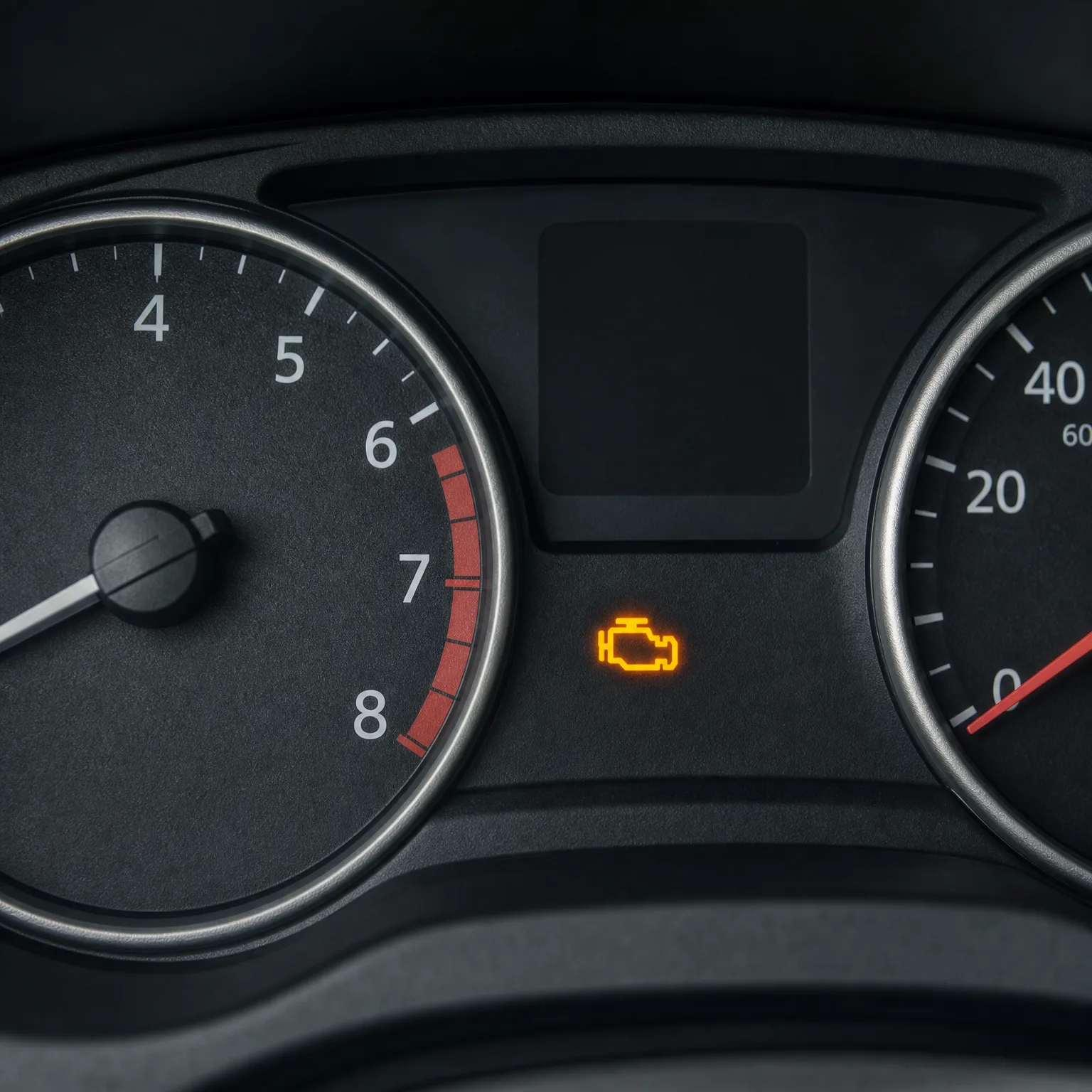
Does Amoxicillin Affect Your Driving
Amoxicillin usually doesn't impair driving, but how you react to any new medication is worth checking before you drive.
What to check before you drive on amoxicillin
- Watch the first few doses Most people tolerate amoxicillin well, but a small number feel stomach upset, dizziness, or an allergic reaction early on. Take your first dose when you don't need to drive right after, just to see how your body responds.
- Check for drug interactions Amoxicillin itself doesn't cause drowsiness, but combinations with other medications sometimes do. Ask your pharmacist if anything else you're taking could add a sedating effect.
- Separate illness from the drug If you feel foggy or tired, it may be the infection you're treating, not the antibiotic. Judge your driving fitness by how you actually feel that day, not by the prescription label alone.
- Know this isn't a license issue A short course of antibiotics has no bearing on your license or renewal. It only matters for driving if it makes you feel unsafe behind the wheel while you're sick.
- Tell your insurer only if asked Insurers care about ongoing conditions and medications that affect driving long term, not a brief antibiotic prescription. This isn't something you need to report or disclose.
Could amoxicillin ever affect my car insurance or license?
No, a short course of amoxicillin has no connection to your license or your insurance. Insurers and licensing agencies are concerned with conditions and medications that affect your driving ability over months or years, not a brief antibiotic treatment for an infection.
The only way any medication becomes relevant is if it's part of a larger pattern, something taken long term that causes dizziness, slowed reaction time, or fainting, and that pattern is reported during a license renewal or medical review. A standard round of antibiotics doesn't rise to that level. If you finish the prescription and feel fine, there's nothing further to think about regarding your ability to drive legally or your coverage.

The antibiotic isn't the risk. How you personally feel while sick and medicated is what matters.
Once you know amoxicillin isn't a driving or insurance concern, you can compare quotes with real confidence.

Driving through your course of antibiotics
If you do
You pay attention to how you feel each day, skip driving if you're dizzy or unusually tired, and finish the course as prescribed. Within a few days the infection eases, side effects fade, and you're back to normal driving with nothing to report to anyone.
If you don't
You ignore how groggy or off you feel and drive anyway, assuming the antibiotic is harmless. If a reaction or the illness itself slows your reflexes, you're at higher risk of a mistake or crash, which is a far bigger concern than the medication label ever was.
Can antibiotics make you feel dizzy or tired the next day?
Yes, for some people, though it's not common with amoxicillin specifically. Dizziness or fatigue is more often caused by the infection your body is fighting, dehydration, or lack of sleep while sick. Check how you feel each morning before driving, and if grogginess continues past the first couple of days, mention it to your doctor since it could be an allergic reaction or an unrelated issue.
Do I need to tell my car insurance about medications I take?
No, not for short term prescriptions like antibiotics. Insurers generally only ask about medical conditions and long term medications during specific applications or if your state requires disclosure for license renewal. Check your policy documents or ask your agent directly if you're ever unsure, since rules on what counts as relevant can vary.
What medications actually do affect your ability to drive safely?
Sedatives, strong pain medications, some allergy medicines, and drugs that cause drowsiness or slowed reaction time are the ones that matter. These are typically medications taken regularly, not short courses like antibiotics. Read the warning label on any new prescription and ask your pharmacist directly whether it affects alertness or coordination before you drive.