Does an Accident Affect Your Driving Record
Yes, if you're at fault or cited, the accident goes on your driving record and usually stays there for several years.
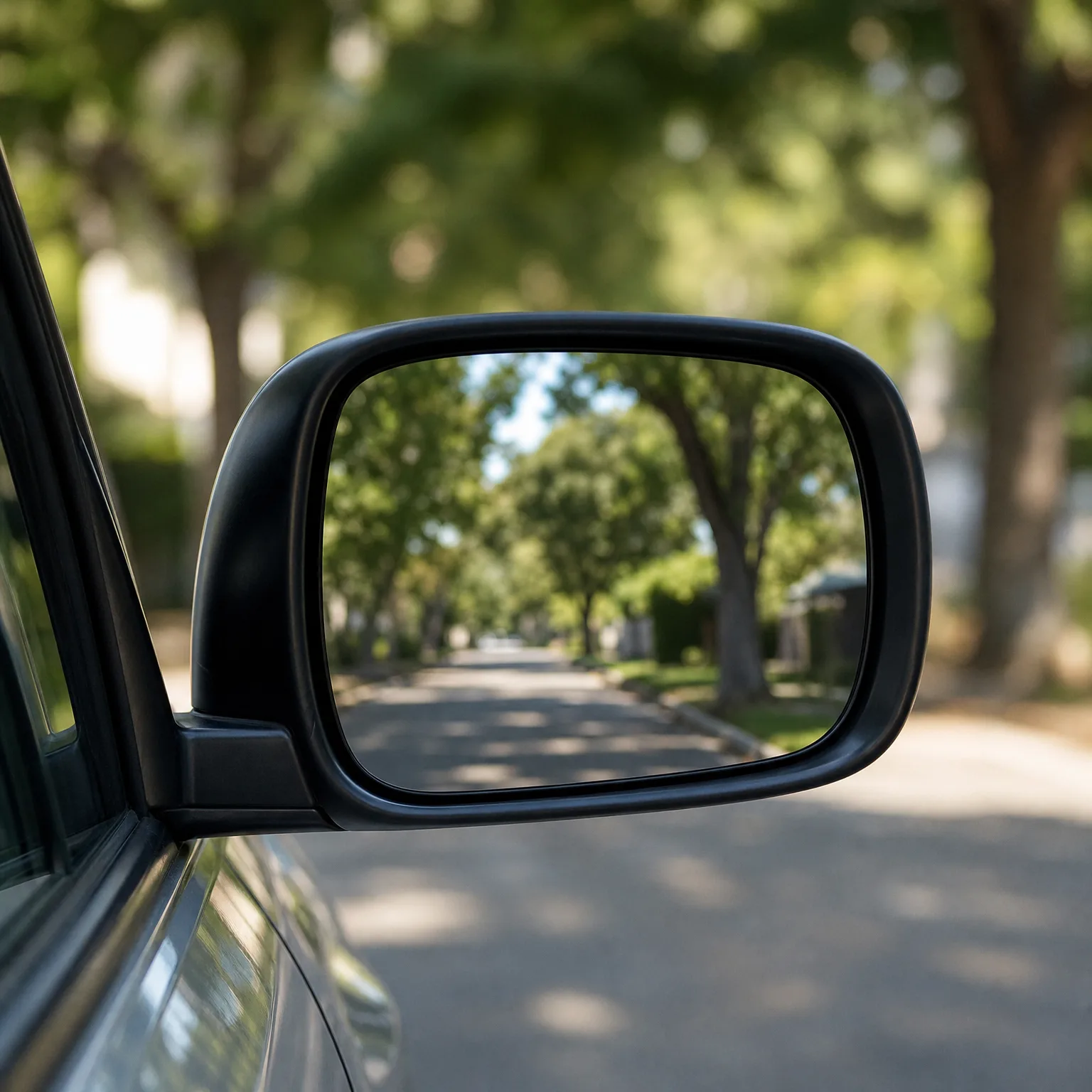
A fender bender at a four way stop
You pull forward at a four way stop, thinking it's your turn, and clip another car. No one is hurt, but there's damage to both bumpers. The police come, write a report, and note you failed to yield. That citation and the accident itself go on your driving record through your state's motor vehicle agency, separate from whatever your insurer decides about your policy.
At renewal, your insurer sees both the claim history and the record. Because you were cited, this one counts against you more than a no fault accident would. You ask your agent what the report said exactly and request a copy from the motor vehicle agency to see for yourself. The citation is set to drop off your driving record after a few years, so you mark your calendar and keep driving safely until then, knowing the impact fades over time.
The short version
An accident goes on your driving record if you're found at fault or cited, and it typically stays there for several years depending on your state. It affects your insurance pricing separately from the record itself. Ask your state's motor vehicle agency for a copy of your record so you know exactly what it shows.
How long does an accident actually stay on my record?
It depends on your state, and there's no single answer that applies everywhere. Most states keep accidents and citations on your driving record for a set number of years, often a handful, after which they're no longer visible to anyone pulling your record, including insurers.
Your insurer may look back at a different window than your state does. Some only consider recent years when pricing your policy, even if your official record technically shows more. The only way to know both numbers for certain is to ask your state's motor vehicle agency how long they retain accidents, and ask your insurer separately how far back they look when setting your rate. The two answers often differ, and knowing both tells you exactly when this accident stops counting against you in each place it matters.
Once you know what's on your record and for how long, compare quotes to see how insurers are actually pricing it.

Should you request a copy of your driving record
If you do
You'll see exactly what the accident report says, whether you were cited, and how long it stays on file. This lets you correct errors early and answer family or insurer questions with facts instead of guesswork. You'll know precisely when the record clears.
If you don't
You're relying on memory or secondhand accounts of what happened and what it means for you. If the report contains an error, it could sit uncorrected for years, quietly affecting renewals. You won't know when it's set to clear.
What actually determines whether this accident sticks
- Fault matters most If you're found at fault, the accident carries more weight than one where you weren't. Check the police report or insurance determination to see how fault was assigned.
- Citations compound it A ticket issued at the scene, like failure to yield, adds to what's on your record beyond the accident alone. Ask the officer or check your record for exactly what was cited.
- State rules set the clock How long an accident stays on your official record depends on your state, not your insurer. Contact your state's motor vehicle agency to find your state's specific retention period.
- Insurer lookback differs Insurers often use their own window when pricing your policy, separate from what the state keeps on file. Ask your insurer directly how many years back they consider.
- Severity can extend it Accidents involving injury or major damage sometimes stay relevant longer in an insurer's eyes, even after they clear your official record. Ask your agent if this applies to your situation.
Your record and your rate are separate things, and knowing both exactly lets you plan instead of worry.