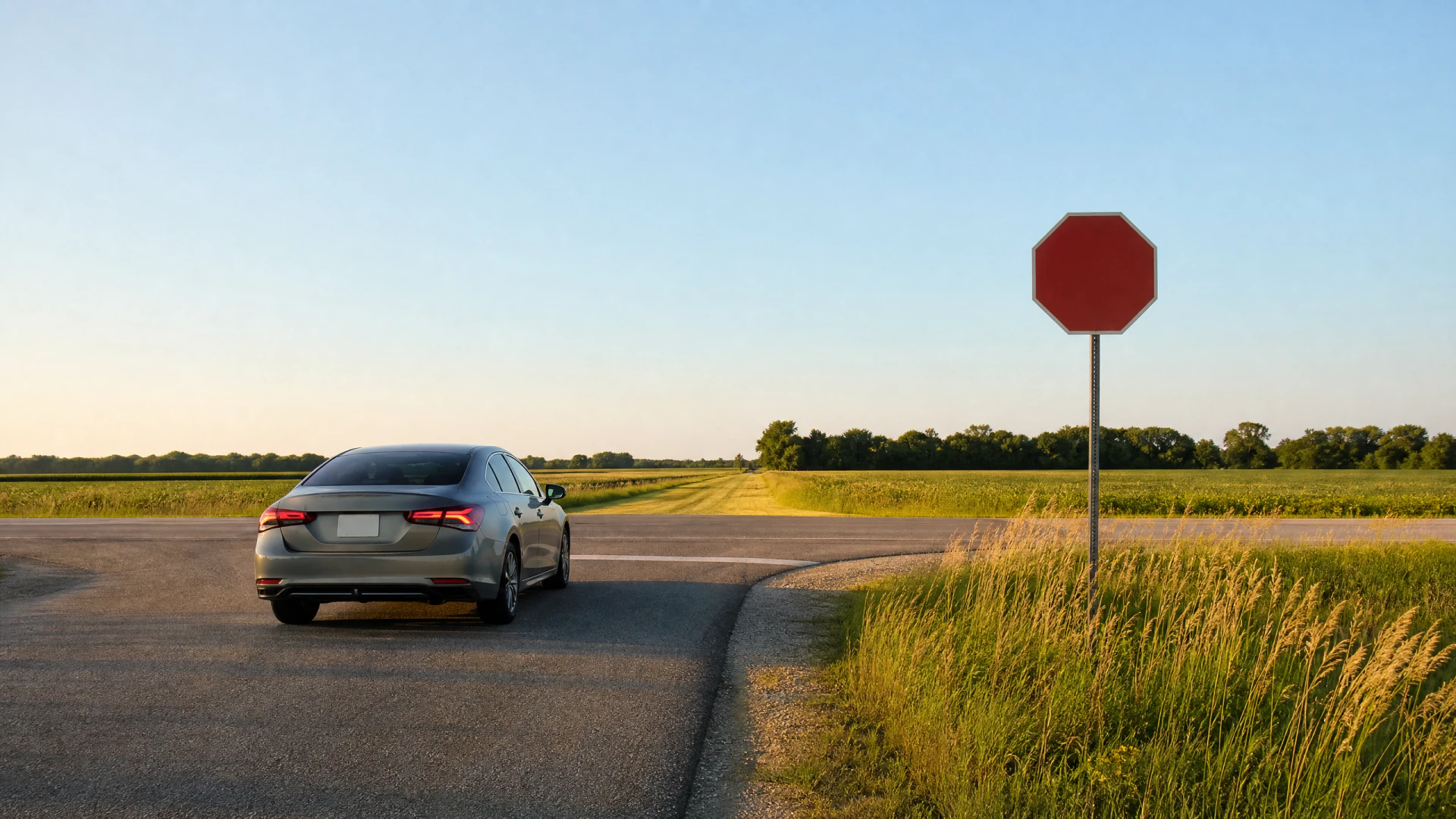
Does Car Color Affect Insurance
No, your car's color has nothing to do with what you pay for insurance.
What actually sets your rate instead of color
- Your car's make and model Insurers price risk using the specific vehicle, including repair costs and safety record. Check your vehicle's rating with your insurer rather than worrying about paint.
- Your driving record Years of clean driving history matter far more than anything cosmetic about the car. Keep that record in front of your insurer when you shop for quotes.
- Where you live and park Your zip code affects rates because of local claim patterns and theft rates. Ask your agent if a different garaging address or a secured parking spot would help.
- How much you drive now If you drive less than you used to, your mileage can lower your rate. Tell your insurer your actual annual mileage so they price it accurately.
- Which coverages you still need As your car ages, comprehensive and collision coverage may cost more than the car is worth. Ask your insurer to run the numbers both ways.
The short version
Car color doesn't affect your insurance rate at all. Insurers price risk using the vehicle's make, model, and safety data, plus your driving record and location. Next, review your policy for the factors that do matter instead of worrying about paint.
Why does everyone believe red cars cost more to insure?
The idea likely comes from the fact that red is a common color for sports cars, and sports cars do cost more to insure. People saw the correlation and assumed the color caused it, when really it was the type of car underneath the color.
Insurers never collect data on paint color because it tells them nothing about risk. A red sedan and a white sedan of the same make and model get the same rate. What actually raises a quote is horsepower, repair cost, theft rate for that model, and safety ratings, none of which have anything to do with how the car looks.
If you're curious what's driving your own rate, ask your insurer directly which factors they weighed. They can tell you plainly, and you'll find color is never on the list.
Now that you know color won't change your quote, compare rates based on what actually matters and find real savings.

Choosing to focus on what actually changes your rate
If you do
You review your vehicle's safety rating, your mileage, and your coverage levels instead of worrying about paint. You ask your insurer direct questions about what's driving your premium. You compare quotes using accurate information and find real savings tied to real factors.
If you don't
You keep assuming color plays a role and overlook the things that genuinely affect your rate. You might pass up a mileage discount or carry coverage you no longer need. Your renewal keeps changing for reasons you never actually investigate.

A driver who picked a white car to save money
A driver in her early 80s was shopping for a replacement vehicle after her old sedan needed too many repairs to keep. A neighbor told her to avoid red cars because they cost more to insure, so she narrowed her search to white and silver models only, even though she liked a red one on the lot.
She called her insurance agent before buying to ask directly, and the agent confirmed color plays no role at all in the quote. What did matter was the model's safety rating and repair costs, and the red car she liked actually had a better rating than the silver one she'd settled for. She bought the red car, got a quote based on the model and her driving record, and ended up paying less than she expected. She said she wished she'd asked sooner instead of ruling out the one she actually wanted.
Does a sports car cost more to insure no matter the color?
Yes, sports cars typically cost more to insure regardless of color, because insurers price based on performance, repair costs, and theft rates for that model. A high horsepower car gets a higher rate whether it's red, black, or white. Check the specific trim and engine size, since two versions of the same car can carry different rates. If you're deciding between models, ask your insurer for a quote on each before you buy.
Does car color affect theft risk or vandalism claims?
No, color doesn't meaningfully affect theft or vandalism risk in how insurers calculate your rate. What matters is the model's overall theft rate, how commonly that car is targeted, and where you park it overnight. If theft is a real concern in your area, ask your insurer about discounts for anti-theft devices or secured parking instead of thinking about paint.
What factors actually lower a car insurance rate for older drivers?
Lower mileage, a clean driving record, and completing an approved driver refresher course are the factors most likely to lower your rate. Many insurers also offer discounts for bundling policies or insuring multiple vehicles together. Ask your insurer which specific discounts apply to your situation, since availability varies by insurer and by state. A quick annual review of your policy often turns up savings you didn't know you qualified for.