
Does Filing a Police Report Stay on Your Record
A police report by itself isn't a mark on your driving record, but what the officer finds and writes down can lead to one.
What actually ends up on your record
- The report is separate Your driving record is kept by the state licensing agency, not the police department. A report filed after a crash lives in police files and only affects your record if it leads to a citation or a formal fault finding.
- Citations are what count If the officer cites you for something like following too closely or failing to yield, that citation is what goes on your record. No citation usually means no mark from the incident itself.
- Insurers see claims, not reports Your insurer tracks claims history separately from your state driving record. Filing a police report after a crash supports your claim but doesn't itself raise your rate, the claim and any fault decision do.
- Fault matters more than filing Being found at fault, whether through a citation or a claims investigation, is what insurers and some states weigh. Check with your insurer how they define an at-fault accident on your policy.
- Rules vary by state Some states require reports for any crash over a certain threshold, others only for injury or major damage. Check your state's DMV site for what triggers a mandatory report where you live.
A fender bender at a four way stop
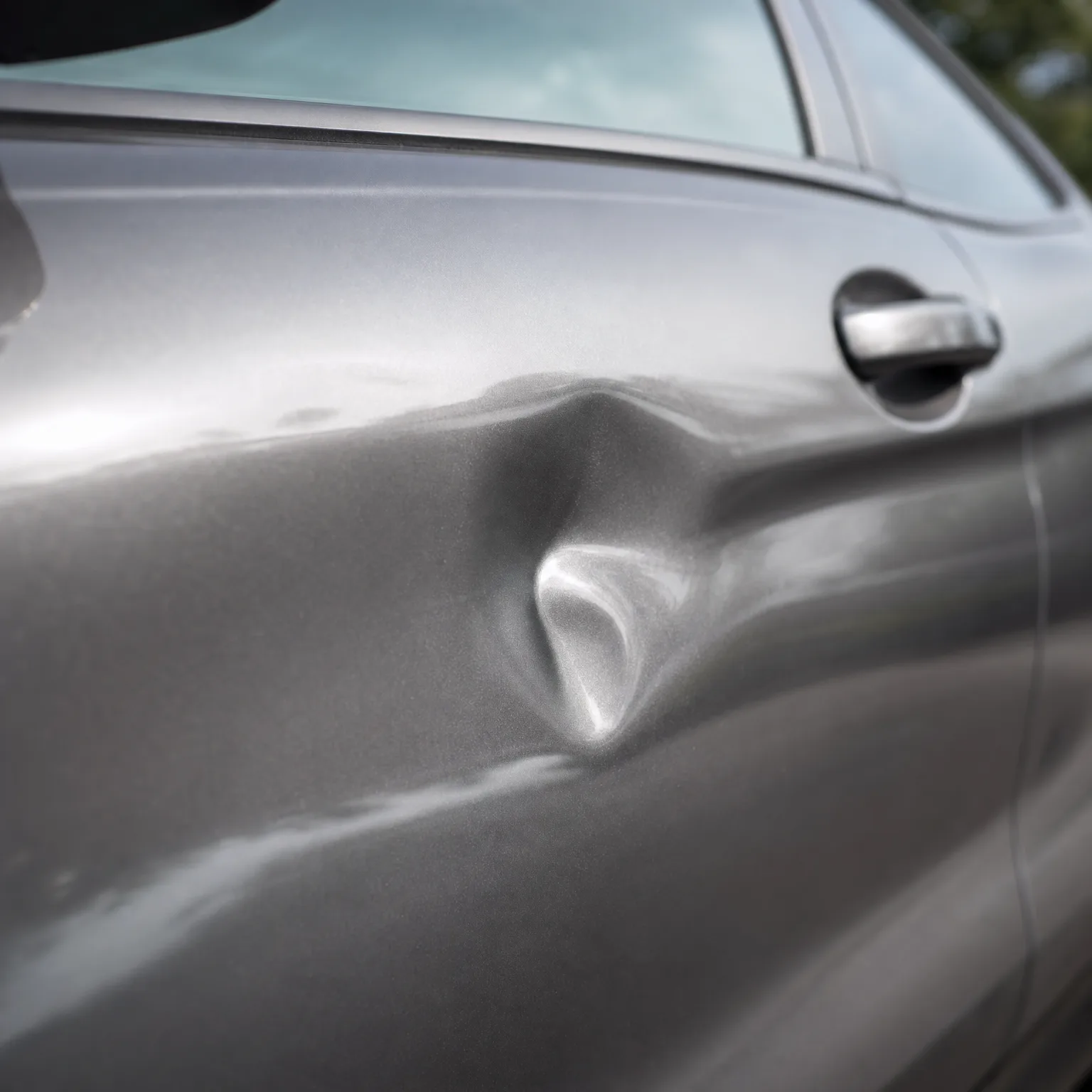
You're pulling out of a parking lot and another car backs into your bumper at low speed. No one is hurt, but there's a dent and some paint transfer. You call the police because you want an official record of what happened, in case the other driver's story changes later. The officer arrives, takes statements from both of you, looks at the damage, and writes up a report. He doesn't issue either of you a citation because there's no clear violation, just two cars that didn't quite clear each other in time.
A few days later you file a claim with your insurer and reference the police report number. The adjuster reviews the report alongside both drivers' statements and the damage photos, then decides the other driver was mostly at fault based on where the damage is and how the cars were positioned. That fault decision is what shows up in your claims history, not the report itself. Your driving record with the state stays clean because no citation was issued. The report simply gave everyone a documented, neutral account of what happened before memories got fuzzy or stories shifted.

Should you file a report after a minor accident
If you do
You get an official, timestamped account of what happened while details are fresh. If the other driver later changes their story or disputes damage, you have a neutral record to point to. It doesn't add anything to your driving record unless a citation follows.
If you don't
You're relying on your own memory and the other driver's word if a dispute comes up later. Insurers may still process a claim without a report, but without documentation it can take longer to sort out who was at fault and why.
Knowing a report alone won't touch your record, compare quotes knowing your rate reflects driving, not paperwork.

Will an accident with no citation still raise my rate?
It can, if the claims investigation finds you at fault even without a citation. Insurers don't need a ticket to decide fault, they look at the damage, the statements, and sometimes independent reconstruction to figure out who caused the accident.
If you're found at fault, that finding can affect your rate at renewal, separate from whatever your driving record with the state shows. If the investigation finds the other driver at fault, or splits fault in a way that doesn't count against you under your policy's terms, your rate is less likely to move because of it. Ask your insurer directly how they define fault and how a no-citation accident factors into renewal pricing, since this varies by company.

What raises your rate is being found at fault, not that a report exists with your name on it.