Does Insurance Cover a Parked Car
A parked car is covered for theft, fire, weather, and most non-crash damage if you carry comprehensive coverage, but not for everyday wear.
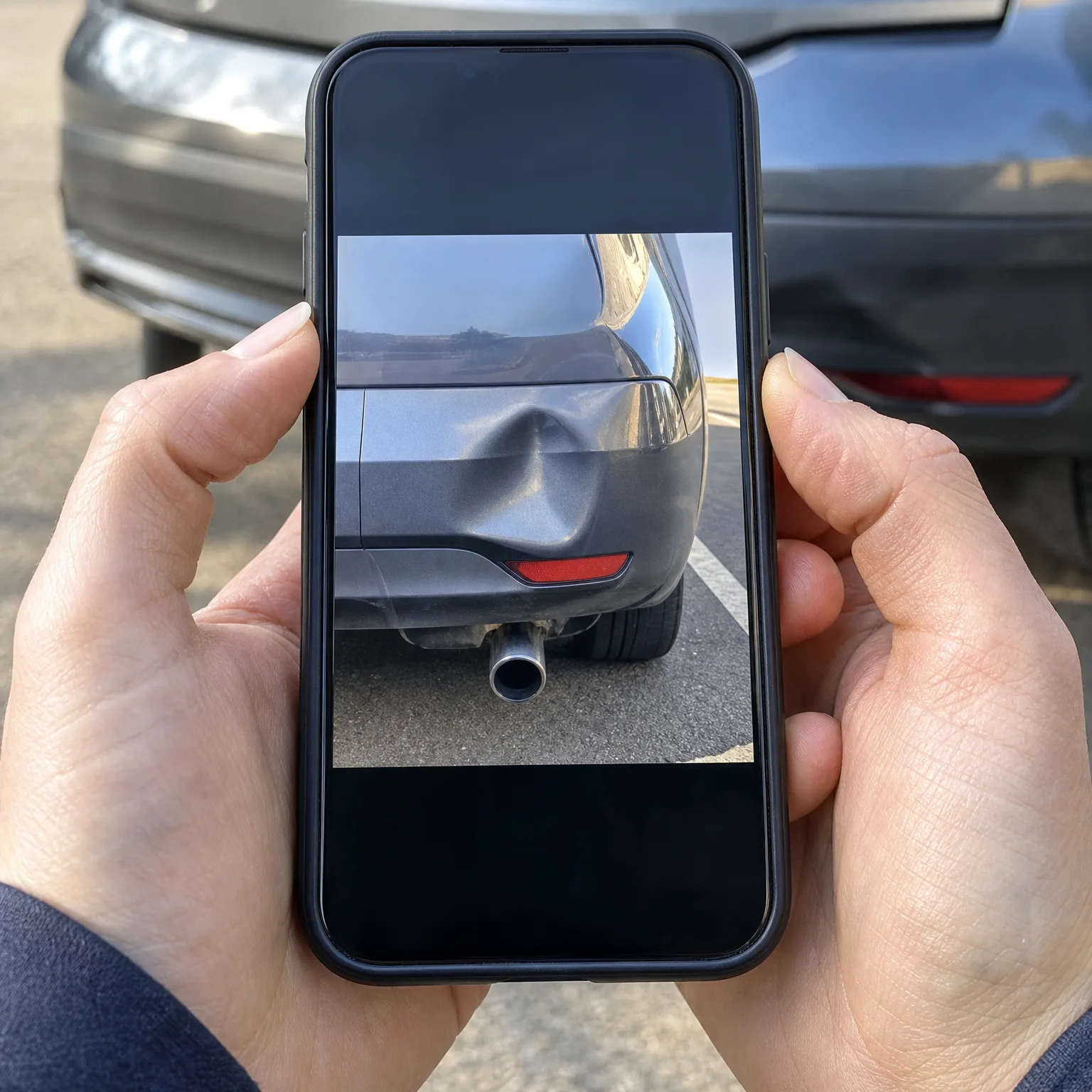
What actually protects your car while it sits still
- Comprehensive coverage This pays for theft, fire, falling objects, flooding, and vandalism while parked. If you dropped this coverage to save money, check whether it's still on your policy.
- Another driver hits you If someone backs into your parked car, their liability coverage should pay for the damage. Get their information and your insurer's claims line involved right away.
- Someone hits and leaves If the other driver isn't found, your own uninsured motorist property damage or collision coverage pays instead. Check which of these you carry, since not every policy includes both.
- Normal wear isn't covered Rust, battery failure, or a flat tire from sitting unused aren't insurance events. These fall under maintenance, not a claim.
- Where you park matters A locked garage versus a street curb can affect your rate and sometimes your claim outcome. Tell your insurer where the car is usually parked so your policy matches reality.
A tree limb falls on your car in the driveway
You wake up after a storm and find a branch has crushed part of your hood and windshield. The car was parked in your driveway overnight and nobody was driving it. You call your insurer, and because you carry comprehensive coverage, this counts as the kind of non-collision event it's built for. You file a claim, a damage estimate gets written up, and you pay your deductible while the policy covers the rest.
The repair shop orders the parts and the work takes about a week and a half. During that time you ask your insurer about a replacement car, which depends on whether you added rental coverage earlier, and in this case you had, so a loaner car gets arranged. When the repairs are done, your rate doesn't jump the way it might after an at-fault crash, because this wasn't your fault and it wasn't a collision. The whole episode shows why comprehensive coverage matters even for a car that spends most of its time sitting still.
Does my rate go up if I file a claim for a parked car?
Usually not by much, and often not at all, because claims for things like weather, theft, or another driver hitting you while parked are not your fault. Insurers generally reserve the larger rate increases for at-fault accidents, since those point to driving behavior they consider risky to insure again.
That said, filing any claim does go into your history, and a pattern of frequent claims, even not-at-fault ones, can affect how an insurer prices your next renewal. If you have comprehensive coverage and the damage is more than a trivial repair, it's usually still worth filing. Ask your agent or insurer directly how they treat not-at-fault and comprehensive claims, since this does vary by insurer and it's worth knowing before you decide to file or pay out of pocket instead.
Now you know what protects a parked car, so compare quotes to make sure your coverage matches how and where you park.
Why coverage depends on the damage, not the parking
Insurance is built around categories of risk, not around whether your hands were on the wheel. Comprehensive coverage exists specifically for damage that happens outside of driving, like weather, fire, theft, or an object falling on the car. Collision coverage, by contrast, is built for impacts, whether you caused them, someone else did, or the car was sitting empty when it happened. A parked car can trigger either type depending on what actually happened to it.
This is why the question isn't really about parking at all. It's about what kind of event caused the damage and which coverage you carry for that kind of event. A car sitting in a driveway that gets hit by another driver is a collision claim against their liability or your own collision coverage. The same car damaged by hail is a comprehensive claim. Drop comprehensive coverage and weather, theft, and fire are no longer covered, no matter how carefully you park.
Where things vary is in the details beneath these categories. Some insurers price comprehensive coverage differently based on where you say the car is usually kept, since a locked garage is a lower risk than open street parking. Some states have rules about uninsured motorist coverage that affect what happens when a hit-and-run driver damages a parked car and is never identified. Deductibles also vary by policy, so the amount you pay before coverage kicks in isn't the same for everyone.
The one thing that doesn't vary is this. Ordinary aging and mechanical failure are never insurance events, parked or not. A dead battery, a flat tire from sitting too long, or rust from disuse are maintenance issues, and no insurance policy is built to cover the slow wear of time.

The real question isn't whether your car was parked, it's whether you kept comprehensive coverage on it.