Does Lane Assist Move Your Steering Wheel
Yes, lane assist physically turns your steering wheel a little to nudge you back toward the center of your lane.
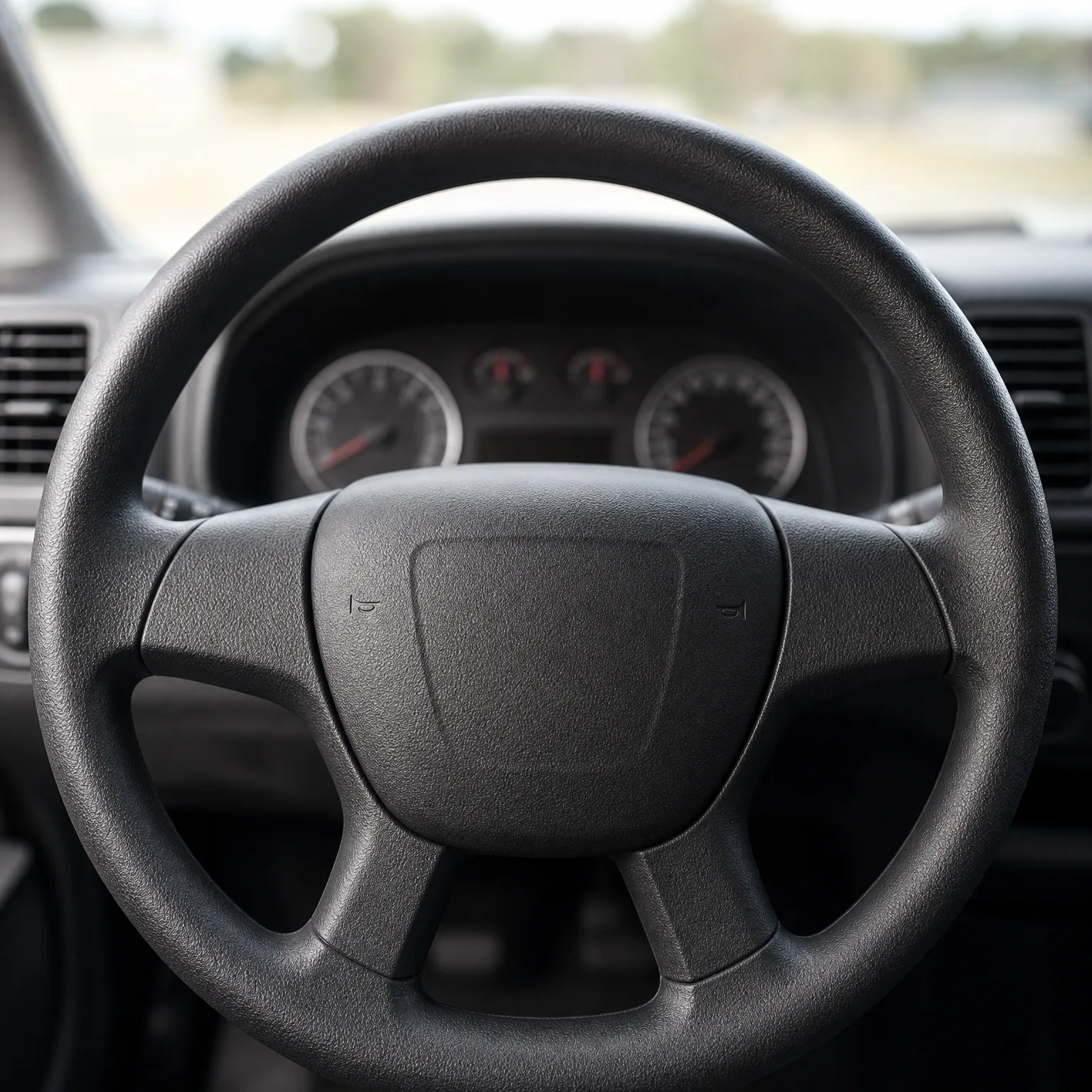
A highway drift on a long trip home
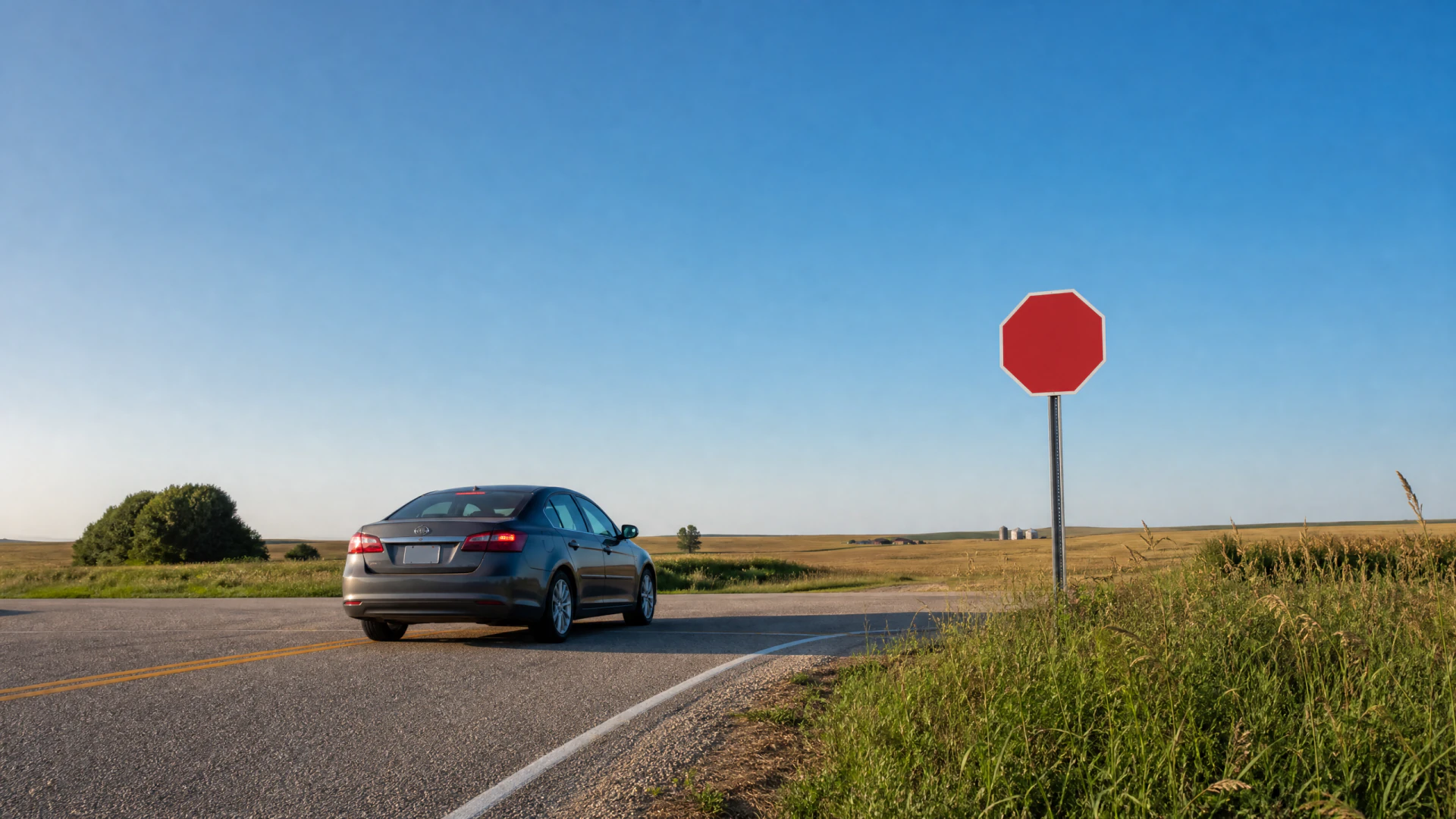
Say you're driving back from visiting grandchildren, a few hours on the interstate, and your attention drifts for a second as you glance at a road sign. Your car drifts toward the line painted on the pavement. The steering wheel turns slightly on its own, just enough to bring you back toward the middle of the lane. You feel the wheel move under your hands, a light pull rather than a jerk, and the car straightens out.
You keep driving, a little more aware now, hands still resting on the wheel the way you always keep them. Nothing about the moment felt alarming once you knew what it was. Later, when renewing your policy, you mention the feature to the agent going over your coverage, and it becomes one more fact on record that this car has systems built to catch small lapses before they become anything larger.
Will Lane Assist Lower My Insurance Rate?
It might, but not automatically and not everywhere. Some insurers give a discount for cars equipped with driver assistance features including lane assist, because the feature can reduce the chance of certain accidents. Other insurers factor it into the vehicle's overall safety rating without listing it as its own line item, and some don't adjust pricing for it at all.
Whether you see any difference depends on your insurer and sometimes on your state, since rules about what insurers can price on vary. The only way to know for certain is to ask directly when you renew or get a quote, and to mention the feature by name rather than assuming it's already been factored in. Bring your vehicle's manual or trim details if you're not sure what's included.

Now that you know what lane assist actually does, compare quotes to see whether having it lowers what you pay.

Keep Lane Assist Turned On Or Turn It Off
If you do
Keep it on and the system keeps nudging you back toward center on highways and marked roads, catching small drifts before they become something bigger. It stays quiet unless you drift, so you likely won't notice it most drives. Some insurers view this favorably when you mention it.
If you don't
Turn it off and you lose that quiet backup, relying fully on your own correction every time attention slips for a moment. Nothing stops you from driving exactly as you always have. You simply won't have the gentle nudge if you drift, and you may not get any pricing benefit tied to the feature.
How The Wheel Actually Gets Nudged
Lane assist uses a camera, usually mounted near the rearview mirror, to watch the lines painted on the road ahead. When it detects your car drifting toward one of those lines without a turn signal on, it applies a small amount of torque to the steering system, which you feel as the wheel turning slightly under your hands. It's not driving for you. It's correcting a drift, and it expects you to stay engaged and take over fully at any point.
The amount of movement is deliberately light. Engineers design it to be noticeable but not alarming, a nudge rather than a takeover, so you can override it easily just by turning the wheel yourself. If you push back against it, the system yields. It isn't fighting you for control, it's offering a correction you're free to accept or ignore.
This differs from a closely related feature called lane departure warning, which only alerts you with a sound or a vibration and doesn't touch the steering at all. Some cars have one feature, some have both, and the names vary by manufacturer, so the same car might call this feature something slightly different in the owner's manual. If you're unsure what your car has, the manual or a dealer can tell you plainly.
There are situations where it won't engage. Faded lane markings, heavy rain, snow covering the road, or sharp curves can all cause the system to disengage or simply not activate, because it needs a clear view of the lines to work. That's by design, since the system is built to assist in ordinary conditions, not to replace your judgment in difficult ones.
Does lane assist work if my hands are off the steering wheel?
No, most systems require your hands on the wheel to keep working, and will warn you or shut off if they detect you've let go. Lane assist is built as a supporting feature, not a hands-free driving system. If you remove your hands, many cars will chime, flash a warning, or disengage the feature until you reapply light pressure. This is different from more advanced hands-free systems found in some newer or higher-end vehicles, which use additional sensors and have specific conditions for use. Check your owner's manual to see which category your car falls into.
Can I turn lane assist off permanently in my car?
Usually yes, through a settings menu on the dashboard display or a physical button, though some cars reset the setting each time you start the engine. Most manufacturers let you disable it for a single drive or save your preference permanently, depending on the model and the dashboard software. If you find the steering correction distracting rather than helpful, you can typically turn it off without affecting other features like automatic braking. Check your manual for the exact steps, since menu names and locations vary between manufacturers and model years.
Will a repair shop charge more to fix a car with lane assist after an accident?
Possibly, since the cameras and sensors involved add cost to certain repairs, particularly windshield replacement or front-end bodywork. A cracked windshield on a car with lane assist often needs the camera recalibrated afterward, which is an added step some shops charge for separately. This is worth asking about when you get repair estimates, since not all shops handle the calibration themselves. Your insurer can tell you whether this kind of repair is covered under your policy and whether they work with shops equipped to handle it.