Does Lane Assist Use a Camera
Yes, lane assist reads the road through a camera near your mirror, watching the painted lines on either side of your car.
How the system actually sees the road
Lane assist works by pointing a small camera at the road ahead, usually tucked behind your windshield near the mirror. That camera constantly looks for the painted or reflective lines marking your lane, and software built into your car judges where you sit between them. When you drift without signaling, the system either nudges your steering or sounds a warning, depending on how your particular car is set up.
Some newer vehicles add radar or other sensors alongside the camera, mostly to help with following distance or cross traffic. But the lane reading itself, the part that keeps you centered, is almost always camera based. That matters because cameras need something to see. A clear, well marked road works well. A faded line, heavy rain, snow covering the pavement, or low sun glare can all make the system less reliable or cause it to switch off entirely.
This is also why the system sometimes seems to work differently from one drive to the next. It is not guessing or learning your habits. It is reading paint and light conditions in real time, and when those conditions are poor, the camera simply has less to work with. That is normal, not a sign the system is broken.
What this means for you is straightforward. Lane assist is a helpful second set of eyes, not a replacement for your judgment. Knowing it depends on a camera helps you understand why it sometimes stays quiet on a road that seems fine to you, and why trusting your own attention still matters most.
The short version
Yes, lane assist uses a forward facing camera near your mirror to track lane lines and warn or correct you if you drift. It can struggle in bad weather, faded lines, or glare, so treat it as a helper, not a replacement for your own attention while driving.
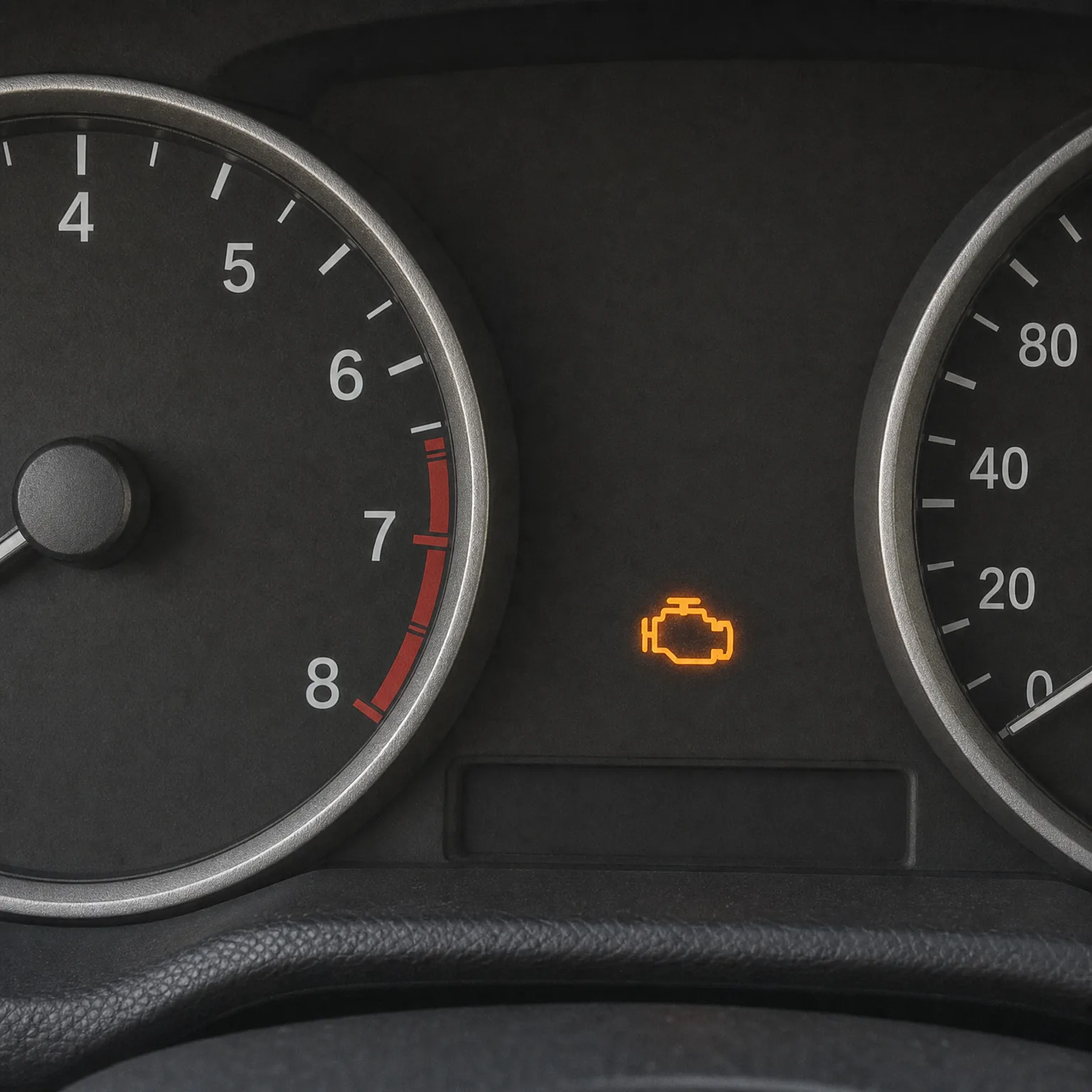
What to know about how lane assist works
- Camera placement The camera usually sits near your rearview mirror, giving it a clear forward view of the lane lines. Keep that area of your windshield clean so it can see properly.
- Weather limits Heavy rain, snow, or fog can block the camera's view and disable the feature. Don't rely on it in poor conditions, and drive as if it isn't there.
- Faded road lines Worn or missing lane markings give the camera nothing to track. Expect the system to go quiet on older or rural roads.
- Not a steering replacement The system assists, it doesn't drive for you. Keep your hands on the wheel and stay ready to correct course yourself.
- Varies by vehicle Exactly how the camera and warnings work differs by make and model. Check your owner's manual for how your specific car signals a lane drift.
Now that you know how lane assist works, compare quotes to see how that technology affects your coverage and rate.

Should you rely on lane assist in poor visibility
If you do
If you lean on lane assist during heavy rain, snow, or glare, you risk the system going silent right when you need it most. The camera loses its view of the lines, warnings stop, and you may not notice until you've already drifted. Treat it as backup, not your main defense in bad conditions.
If you don't
If you drive those conditions with your full attention instead, you keep control no matter what the camera can or can't see. You watch the lane yourself, adjust speed for visibility, and the system becomes a quiet extra layer rather than something you depend on. This keeps you safer and more in control overall.
Driving home as the sun sets low on the horizon
Say you're heading home one evening and the sun drops right to the horizon, shining almost straight into your windshield. Your lane assist, which has worked fine all week, suddenly stops giving warnings and the indicator light on your dash shows it's turned off. You might wonder if something broke overnight.
Nothing is wrong with the car. The glare is overwhelming the camera's ability to see the lane lines, so the system disables itself rather than give you false or unreliable warnings. In that moment, you simply drive the way you always have, watching the lines yourself, slowing down a bit, and keeping extra space from the car ahead. A few minutes later, once the sun dips further or you turn onto a different road, the system comes back on and resumes watching the lane for you. Understanding that this is normal, not a malfunction, means you don't panic or feel like you need to get the car checked. It also reminds you why staying attentive yourself is what actually keeps you safe, with or without the camera's help.