Does Someone Hitting You Make Your Insurance Go Up
If the accident wasn't your fault, your insurance usually shouldn't go up at all.
What decides whether your rate moves
- Who was at fault If the report shows the other driver caused it, your insurer shouldn't raise your rate for an accident you didn't cause. Ask your agent to confirm fault was assigned to the other driver on your claim file.
- Which company you filed with If you filed through the other driver's insurance instead of your own, your policy often stays untouched. Ask the other driver's insurer to handle the claim directly when the fault is clear.
- Your state's rules Some states limit whether a not-at-fault accident can be used in pricing, others leave it to the insurer. Ask your agent whether your state restricts this and get it in writing.
- Your insurer's own policy Even in the same state, companies differ on how they treat not-at-fault claims over time. Ask directly whether this claim will appear on your renewal review at all.
- How many claims you've filed One not-at-fault accident rarely matters much, but a pattern of claims can draw attention at renewal regardless of fault. Keep your own simple record of dates and outcomes in case you need to explain it later.
A driver rear-ended at a stop sign
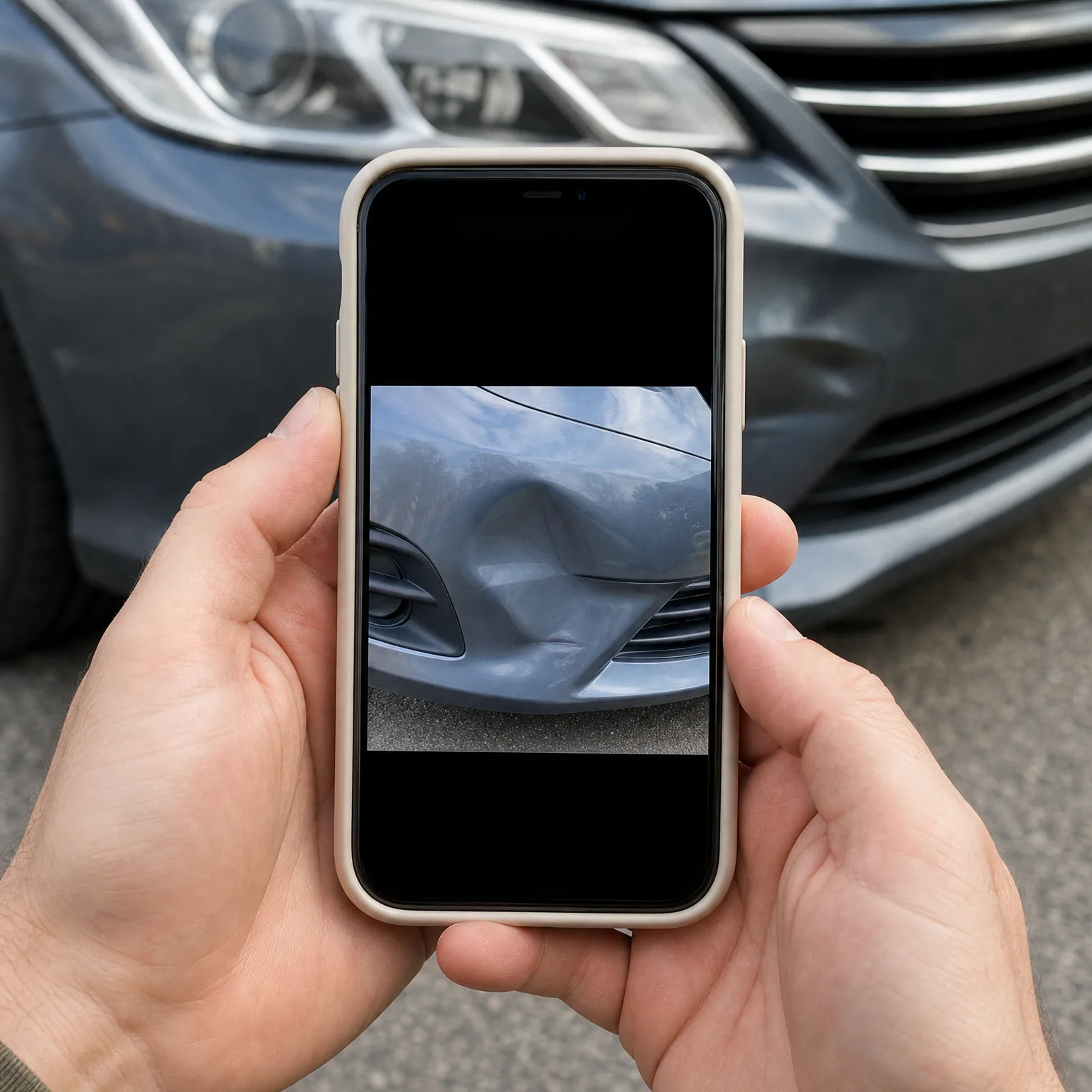
You were stopped at a sign waiting your turn when another car rear-ended you from behind. The police report named the other driver at fault, and you had photos of the damage and the intersection. You called your agent the same week, not to file a claim against your own policy, but to ask how to proceed since the other driver admitted fault on scene.
Your agent helped you open the claim through the other driver's insurance company instead, since the fault was clear and documented. The repair was paid by their insurer, and because the claim never touched your own policy as an at-fault claim, your renewal came through with no change tied to the accident at all. The report and your early call to the agent were what made that possible.
Compare quotes now that you know a not-at-fault accident shouldn't raise your rate.
Why did my rate still go up after an accident that wasn't my fault?
It usually comes down to how the claim was filed and what your insurer's internal rules allow, not the police report itself. If the claim went through your own policy because the other driver was uninsured or underinsured, your insurer paid out and that payout can still factor into pricing even though you weren't at fault.
It can also happen if your state doesn't restrict this practice and your insurer counts any claim, regardless of fault, as part of your overall risk picture. Ask your agent exactly which claim triggered the change and whether fault was recorded correctly. If it was recorded as your fault by mistake, that's worth disputing directly, since a correction can reverse the increase.

Filing through your insurer or the other driver's
If you do
If you file through your own insurer, they pay first and then seek reimbursement from the other driver's company. It's faster for repairs, but the claim sits on your record while that process plays out, and some insurers still consider it at renewal even after reimbursement.
If you don't
If you let the other driver's insurer handle it directly, your policy stays clean of the claim entirely. It can take longer since you're waiting on another company's process, but if fault is clear, this is usually the better path for keeping your own rate untouched.
Does filing a claim always show up on my driving record?
No, a claim and a driving record are different things entirely. Your driving record tracks violations and at-fault accidents tied to your license through the state, while a claim is just a filing with an insurance company. A not-at-fault accident can appear in your claims history with insurers without ever touching your official driving record, which matters more for license and renewal purposes than for rates.
Will my rate go up if the other driver has no insurance?
It can, because you'd likely be filing under your own uninsured motorist coverage and your insurer is the one paying out. Even though you weren't at fault, that payout came from your policy, and some insurers weigh it at renewal. Check whether your state or insurer treats uninsured motorist claims differently from at-fault claims, since this varies and is worth asking about directly.
Should I report a minor accident if the other driver offers to pay out of pocket?
It depends on how minor and how much you trust the arrangement to hold up. If damage is small and the other driver pays directly, skipping the claim keeps both records clean, but get the agreement and their information in writing first. If anything about the damage or injury isn't fully clear yet, filing a report protects you even if you don't pursue a claim right away.