
Does Someone Need My Insurance Info if They Hit Me
Yes, you need their insurance information, and getting it right at the scene makes everything after the crash simpler.
What to collect before you leave the scene
- Insurance company and policy This is what lets your insurer or theirs start a claim. Ask to see their card and take a photo of it rather than copying numbers by hand.
- Driver's name and license number The policy might not belong to the driver, so you need both. Write down the name exactly as it appears on their license.
- Plate and vehicle description This confirms which car was involved if there's any dispute later. Note the make, model, color, and plate number with state.
- Phone number and address Insurers may need to reach the other driver directly during the claim. Get this even if you also have their insurance details.
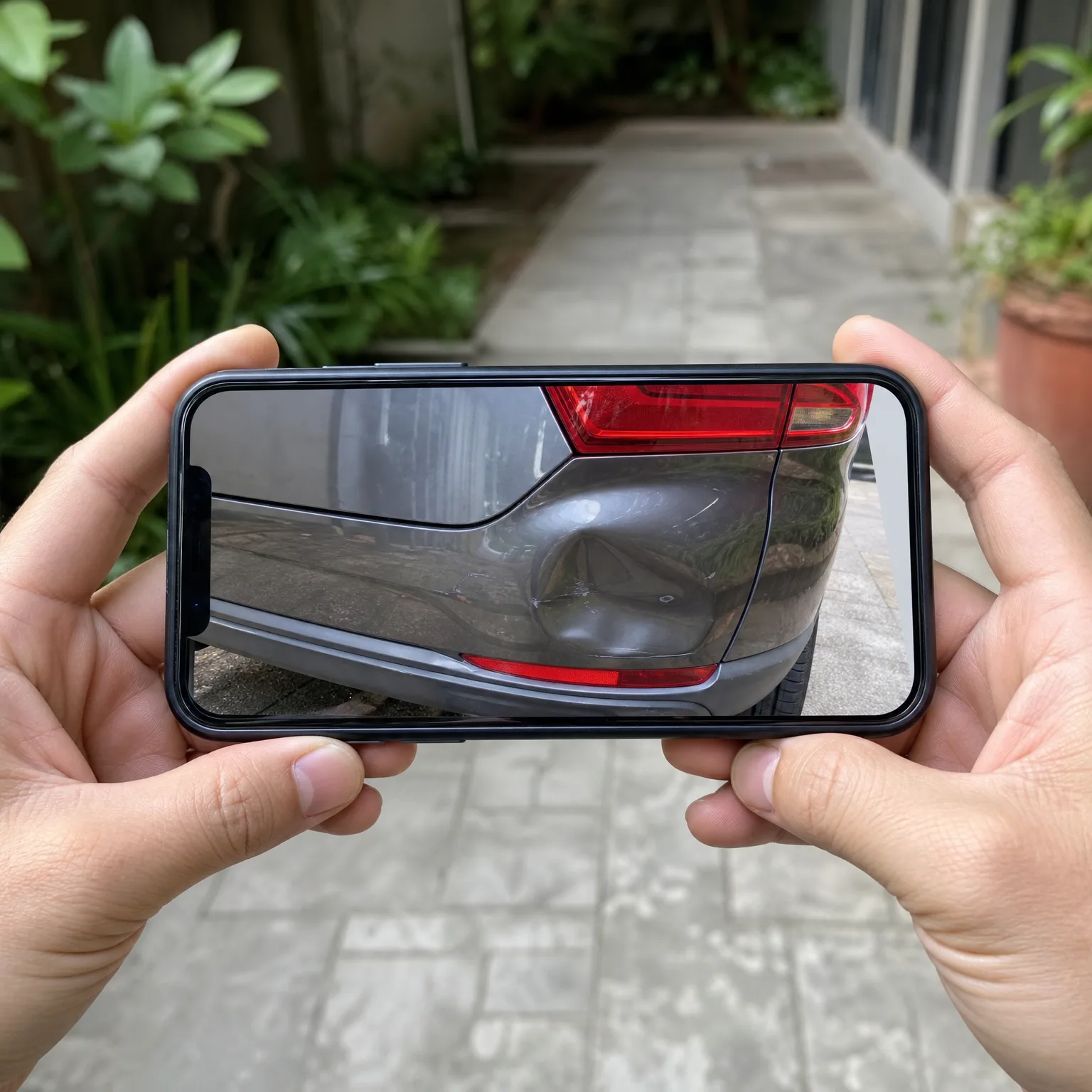
- Photos of everything Pictures of both cards, both vehicles, and the damage back up everything you wrote down. Take more than you think you need.
A fender bender after church
You're pulling out of the parking lot after the Sunday service when another car backs into your front bumper. No one is hurt, and the damage looks minor, just a dent and some scraped paint. The other driver seems embarrassed and offers to pay for it himself, out of pocket, so you won't have to involve either insurance company.
You tell him you appreciate the offer, but you'd still like to exchange information, just in case. He hands you his license and insurance card, you photograph both along with his plate, and you take a few pictures of the dent. A week later, the small dent turns out to hide a cracked bracket that costs more to fix than he expected. Because you have his insurance information, you file a claim instead of chasing him down for money he may not have readily available. The repair gets paid for without an argument, and you never have to wonder whether his promise would hold up.

Exchanging information at the scene
If you do
You get everything you need to file a claim no matter who turns out to be at fault. If repair costs run higher than expected, or an injury shows up later, you already have what the insurer needs. The claim moves quickly because nothing has to be tracked down after the fact.
If you don't
You may be left paying for damage yourself if the other driver can't be reached later. Verbal promises to pay out of pocket often fall apart once real repair costs come in. Without a policy number, your own insurer has little to work with if you need to file a claim on your end.
Now that you know what to collect after a crash, compare quotes to be sure your own coverage holds up when needed.

Why this information matters so much
Insurance claims run on documentation, not on memory or good intentions. When two drivers exchange insurance information, each side's insurer can verify coverage, assign fault, and pay for damage without relying on anyone's word. Without that information, a claim has nowhere to start.
This matters even when a crash looks minor. Damage that seems small at the scene can turn out to be more expensive once a mechanic looks underneath the surface, and injuries from a low-speed crash sometimes appear a day or two later, not immediately. If you don't have the other driver's insurance details by then, you may have no way to recover those costs from them.
It also matters because fault isn't always obvious right away. Even if the other driver seems clearly responsible, insurers investigate independently, and having both policies on record lets that process happen properly. If the other driver is uninsured, which does happen, your own policy may still cover you, but only if you have your own insurer involved from the start.
What you're required to exchange at the scene can vary by state, so it's worth checking your state's specific rules once. In most places, though, the standard is the same. Get their insurance information, get your own insurer involved if there's any real damage or injury, and don't rely on a handshake deal to cover something a policy exists to handle.
A friendly offer to pay cash doesn't protect you like a policy does, so collect their information anyway.