
Driving a Family Car Without Being on the Insurance
Yes, you can drive a family car without being listed, as long as it's occasional and permissive use applies.
Coverage follows the car, not just the names on the policy
Most car insurance policies are written to cover the vehicle itself, along with anyone the owner allows to drive it. This is called permissive use, and it means an occasional driver, like a family member borrowing the car for errands or a visit, is typically covered under the owner's policy without needing to be added. The insurer is really betting on how the car is driven overall, not keeping a precise count of every person who ever sits behind the wheel.
The line gets drawn at regularity. If you're driving that car every week, or it's become your main way of getting around, insurers expect the owner to list you as a driver. That's because your driving habits, your own record, and your age all factor into how risky the car is to insure, and a policy priced for one or two drivers isn't accounting for a third person using it often. Leaving a regular driver off isn't just a technicality, it can affect whether a claim gets paid in full.
This is also where state rules and insurer policies genuinely differ. Some states and companies define regular use narrowly, others more loosely, and some ask household members to be listed regardless of how often they drive. The owner's policy documents will spell out what counts as permissive use and whether there's a household exclusion clause, so that's the first thing to check before assuming you're covered.
If you drive the family car only now and then, for a doctor's visit or to help out, you're very likely fine as an occasional driver. If it's become a regular part of your week, it's worth a conversation with the owner's insurer so the coverage actually matches how the car is used.

What determines whether you're covered
- How often you drive it Occasional use is usually covered automatically. Regular or weekly use often needs to be reported to the insurer so the policy matches reality.
- The owner's policy wording Some policies exclude certain drivers by name or household status. Ask the owner to check their declarations page or call their insurer directly.
- Your own driving record If you have a clean record, being added as an occasional driver often costs little or nothing extra. It's worth asking rather than assuming it will raise the price.
- State rules on permissive use States vary on how they define regular versus occasional driving. Check with the insurer licensed in that state for the specific definition that applies.
- What happens after a claim If you're in an accident while driving regularly but unlisted, the insurer may question the claim. Getting listed ahead of time avoids that risk entirely.
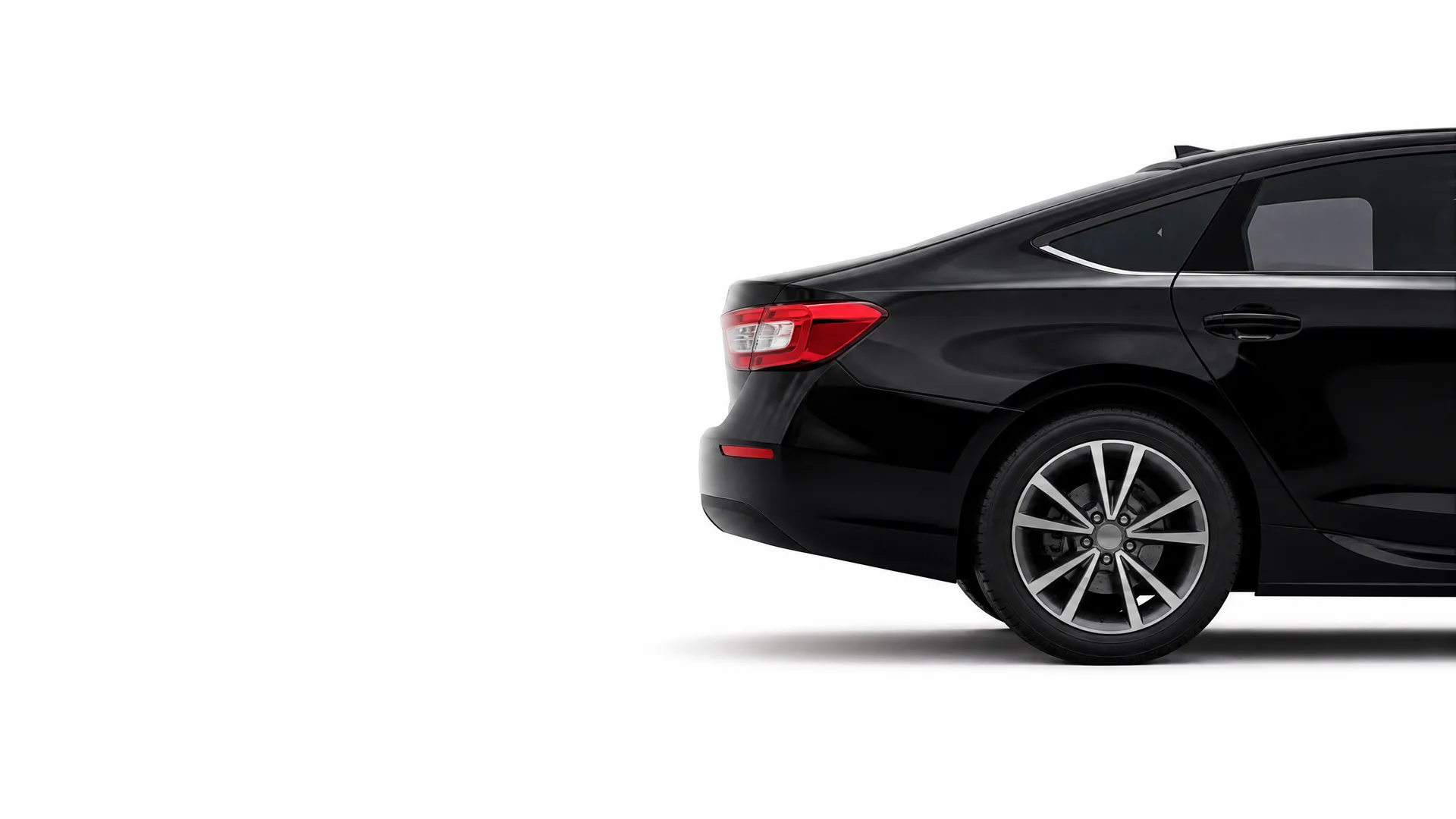
The question isn't whether you're allowed to drive the car, it's whether the policy matches how you use it.
Once you know how you actually use the car, compare quotes to see what it costs to be listed and drive with confidence.

When occasional turns into something more
Say your daughter's car sits in your driveway most of the week because she travels for work, and you've started using it for groceries and church on the days your own car is in the shop. At first this was a one-time favor, so neither of you thought to call her insurer. But after a few months, you realize you're driving it two or three times a week, not just occasionally.
She called her insurance company to ask directly rather than guess, and they confirmed that at that frequency, you needed to be added as a listed driver on her policy. It turned out to add very little to her premium since your driving record was clean, and it meant that if anything happened while you were behind the wheel, the claim would be handled without any question about who was covered. The call took fifteen minutes and settled something that could have caused real trouble later.

Does driving someone else's car affect my own insurance rates?
Generally, no. When you drive a car you don't own with the owner's permission, any claim from an accident is typically filed against the car's policy, not yours, since coverage follows the vehicle. Your own insurance usually isn't touched unless you're regularly driving that car and should have been listed on its policy but weren't.
There are exceptions worth checking. If the owner's policy doesn't have enough coverage to pay for the damage, your own policy might be asked to cover the difference if you carry certain additional coverage. And if you're driving the car so often that you really should be listed, an insurer could argue the owner's policy shouldn't apply at all, which is exactly why matching the paperwork to real driving habits matters.