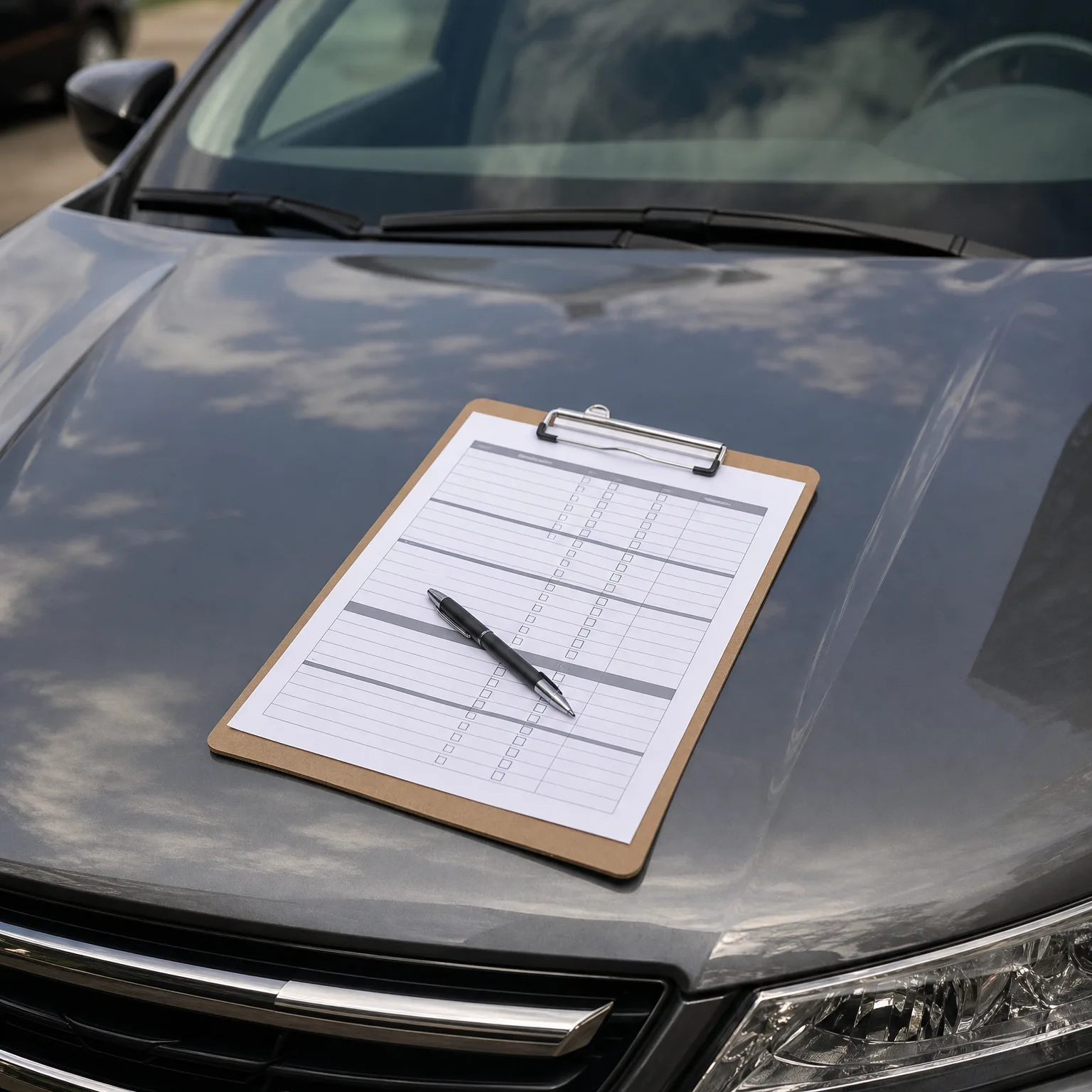
How Can I Check My Blind Spots
You check blind spots by adjusting your mirrors to cut overlap, then turning your head to look before every lane change or turn.
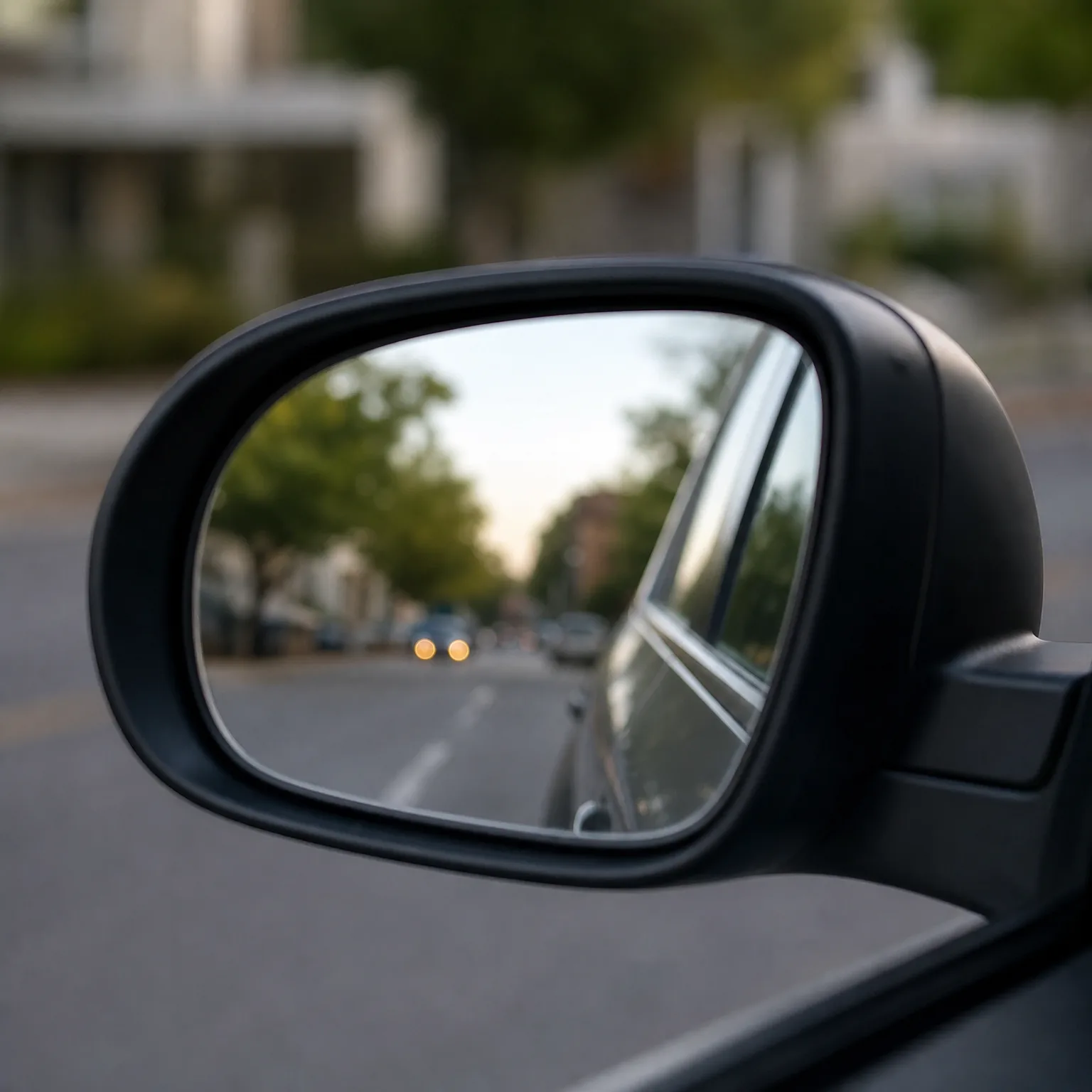
A left turn at a busy intersection
You're pulling up to a light where you need to turn left across two lanes of oncoming traffic, something you do every week on the way to church. A motorcycle has been riding just behind your left mirror's range for the last block, close enough that it would vanish if you relied on the mirror alone. You check your mirror, see nothing unusual, then turn your head for a half-second glance over your shoulder before committing to the turn.
That glance is what catches the motorcycle. You wait two extra seconds, let it pass, then make the turn once the lane is actually clear. Nothing dramatic happens, which is the point. The habit of turning your head, not just trusting the mirror, is what let you see something the mirror couldn't show you, and it's the same habit that keeps your driving record clean year after year.
Do I need to change how I check blind spots as I get older?
Not the method, but possibly the frequency and the care you put into it. The physical act of checking blind spots, mirrors plus a head turn, stays the same at any age. What can change is neck flexibility or peripheral vision, so the glance that used to be quick and automatic might need to be a little more deliberate.
If turning your head fully has gotten harder or more uncomfortable, that's worth mentioning to your doctor, since it affects driving safety directly. Some drivers adjust by adding a wider mirror or by turning their whole upper body slightly rather than just the neck. The goal stays the same: see what the mirror can't, every single time.
With your blind spot check solid, compare quotes to see your rate reflect the safe driver you actually are.
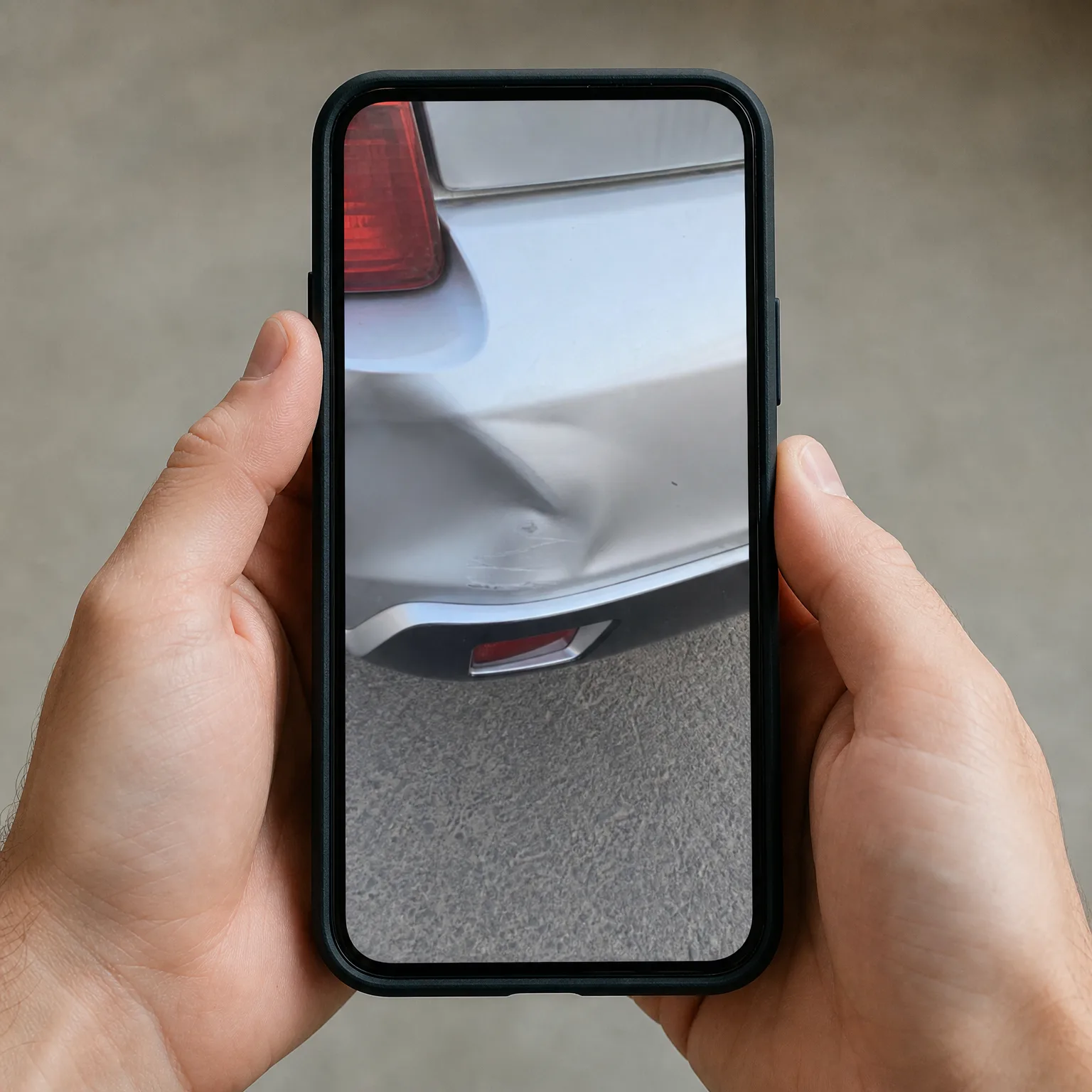
A full blind spot check has these parts
- Set mirrors wider first Angle your side mirrors out further than the factory setting so they barely show your own car. This removes most of the overlap with your rearview mirror.
- Turn your head every time Mirrors alone can't show the small gap right beside your rear doors. A quick head turn before changing lanes or turning catches what mirrors miss.
- Check before you signal Look over your shoulder before you signal, not after, so you know the lane is clear before announcing your move. This avoids last-second surprises.
- Scan both sides at intersections At turns and intersections, check both blind spots, not just the side you're turning toward. Cross-traffic and oncoming vehicles can appear from either direction.
- Reassess your range yearly Neck mobility and peripheral vision can shift gradually. Revisit your mirror angles and head-turn comfort once a year to make sure your check is still complete.

A thorough blind spot check marks you as a safe driver, to you and to anyone pricing your risk.
What is the best way to adjust side mirrors for blind spots?
Angle each side mirror outward until you can just barely see the edge of your own car in it. This setup shows you the lane beside you instead of duplicating what your rearview mirror already shows. Sit in your normal driving position when you adjust them, since posture changes the angle. Test it by watching a car pass in the next lane; it should move from your rearview to your side mirror to your peripheral vision with almost no gap. If you still lose sight of it for a moment, the mirror needs to turn out further.
Can a wide-angle or blind spot mirror replace the head turn?
No, it reduces the gap but doesn't replace the head turn. Wide-angle mirrors show more of the lane beside you, which helps, but they distort distance and can still miss a vehicle tucked close to your rear quarter panel. The head turn is a direct check with your own eyes, not a mirror's interpretation. Use the wider mirror as backup, not substitute. If your neck turn is limited for any reason, a convex add-on mirror helps, but pair it with slowing down and double-checking rather than skipping the glance entirely.
Will poor blind spot checking show up on my driving record?
Only if it leads to an incident, like a lane-change collision or a citation, since the check itself isn't tracked directly. What insurers and the state see is the outcome, not the habit. A clean record over years suggests your checking habit works, regardless of age. If you're worried about how your record looks, request a copy from your state's motor vehicle agency to see exactly what's listed and confirm there's nothing outdated or incorrect sitting on it.