How Do I Know if I Have an ADAS Windshield
Your car has an ADAS windshield if it uses a forward camera or sensors for safety features like lane warnings or automatic braking.
The windshield itself is part of the safety system
Cars built with driver assist features need a camera, and often a sensor cluster, mounted right behind the glass to see the road ahead. That camera reads lane lines, following distance, and road signs, so the glass in front of it isn't just glass anymore. It has a specific optical quality and a bracket built for that exact camera position. That's what makes it an ADAS windshield.
You can usually tell by what the car does, not by reading a label under the hood. If your dashboard warns you about lane departure, if the car brakes on its own when something's ahead, or if cruise control adjusts your speed to traffic, there's almost certainly a camera behind your windshield making that possible. Look at the glass itself too. A small black box or camera housing near the rearview mirror is the clearest sign.
What varies is how the system is built and what replacing the glass requires. Some cars need the camera recalibrated after any windshield swap, others need it done only in certain conditions, and the process itself differs by manufacturer. Your owner's manual will say which features your car has, and a dealer or qualified shop can confirm what your specific windshield requires.
This matters for your insurance because ADAS windshields cost more to replace and often require a calibration step afterward. Knowing you have one means you can ask the right questions when you file a claim, instead of being surprised by what the repair involves.
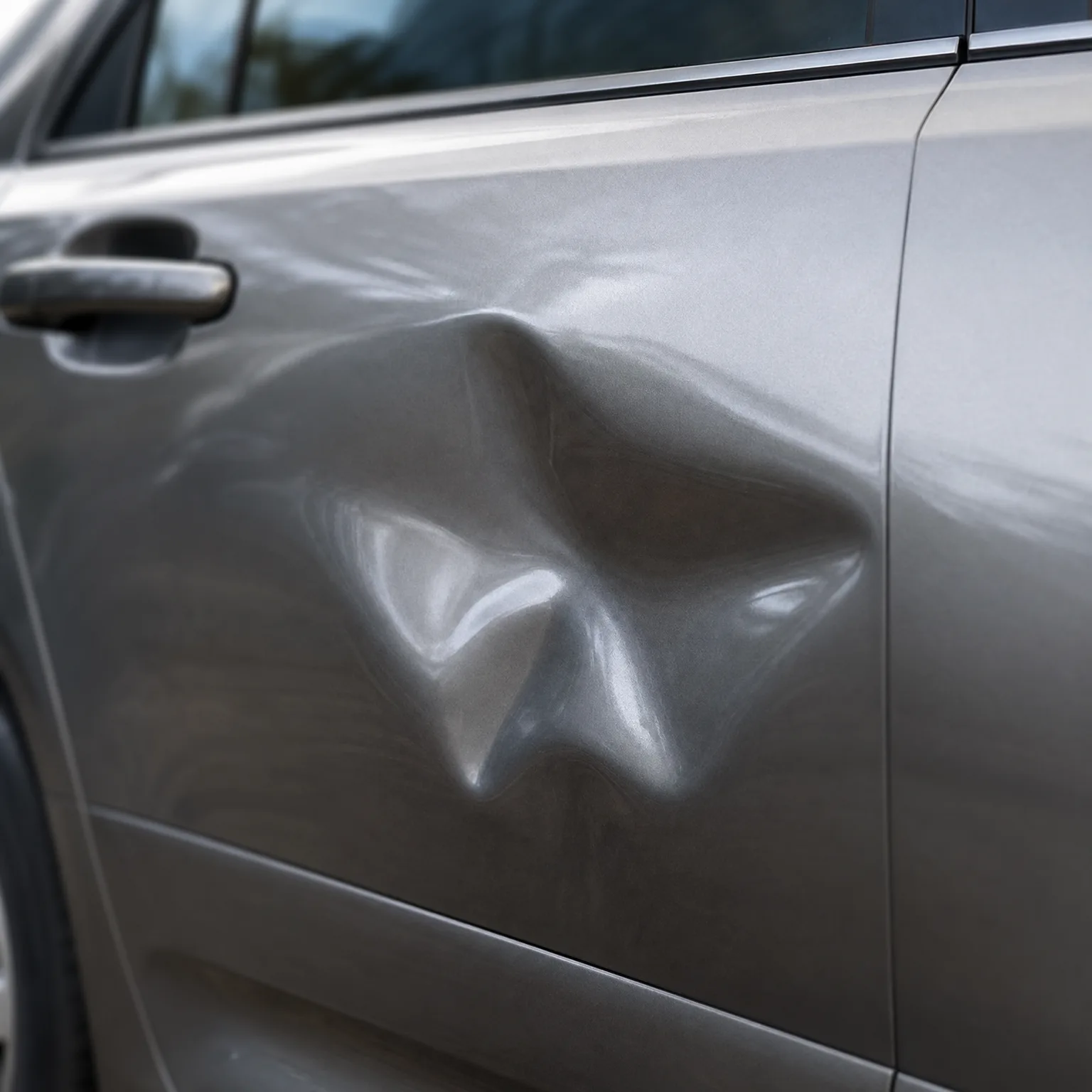
A cracked windshield turns into more than a glass swap
A driver in her early 80s had a small crack spread across her windshield after a gravel truck kicked up a rock on the highway. She called a glass shop expecting a simple same-day fix, the kind she'd had done twice before over the years. The shop asked if her car had lane departure warning, and she realized it did, a feature her son had pointed out when she bought the car two years earlier.
Because the car had a forward camera mounted behind the glass, the shop explained the replacement would include a calibration step to make sure the camera aligned correctly with the new windshield. She called her insurer before scheduling anything, confirmed the claim would cover both the glass and the calibration, and asked how the shop would document that the work was done. The repair took longer than her old windshield swaps used to, but she left with paperwork showing the system had been checked and was working correctly, which gave her confidence nothing had been missed.
Does having an ADAS windshield raise my insurance rate?
Not directly. Your rate isn't higher simply because your windshield has a camera behind it. What changes is the cost of a claim if that glass needs replacing, since ADAS glass and the calibration that often follows cost more than plain glass.
How that cost affects you depends on your coverage and your insurer. Comprehensive coverage typically pays for windshield damage from things like rocks or weather, and glass claims often don't count against you the way an at-fault accident would. Still, policies and state rules on glass coverage vary, so check your own policy or ask your insurer directly how windshield claims are handled and whether calibration is included.
Now that you know your windshield type, compare quotes to see how insurers cover ADAS glass and calibration.
Checking before you file a claim
If you do
You call your insurer, describe your car's features, and ask how windshield replacement and calibration are handled. They explain what's covered, recommend an equipped shop, and give you the total cost upfront. The repair gets done right the first time, and your safety features work properly afterward.
If you don't
You take the car to the first available glass shop without asking questions. The windshield gets replaced, but no one checks whether the camera needs recalibrating. Weeks later your lane warning isn't working right, or it triggers oddly, and now you're sorting out a problem that could have been caught the first time.
How to check what your windshield is working with
- Look near the mirror A small camera housing or black box mounted behind the rearview mirror usually means your car has ADAS. Check there first before anything else.
- Check your owner's manual The manual lists every driver assist feature your car came with, including ones tied to the windshield. Look under sections for safety or driver assistance.
- Notice what the car does Lane warnings, automatic braking, and adaptive cruise control all rely on a windshield-mounted camera. If your car does any of these, assume the glass is part of it.
- Ask before any glass work Before scheduling a windshield replacement, tell the shop what features your car has. They can confirm whether calibration will be needed afterward.
- Call your insurer directly Ask specifically how your policy handles ADAS glass and calibration costs. Get the answer in writing or note who you spoke with, in case you need it later.