How Do Insurance Companies Prove Who Is at Fault
Insurers piece together fault from evidence, state rules, and the story each driver tells, then assign a percentage of blame to each side.
Fault comes from evidence, not opinion
When you file a claim, an adjuster is assigned to investigate what happened. They gather the police report, photos from the scene, damage patterns on both vehicles, and statements from each driver and any witnesses. They're trying to reconstruct the sequence of events as closely as possible, because the insurer that pays out needs a factual basis for its decision.
Every state has traffic laws that assign responsibility in common situations, like who yields at a four way stop or who must leave enough stopping distance. Adjusters match the evidence against these rules. If the damage shows you were rear ended, for example, that pattern usually points toward the other driver, since the law generally expects a trailing driver to maintain safe distance.
Some states use a system where fault can be split between both drivers by percentage, and that split can affect what each side recovers. Other states handle it differently, with each driver's own insurer covering their losses regardless of fault up to a point. Because this varies, it's worth checking how your state assigns responsibility and how that affects a claim you're involved in.
When evidence is thin or conflicting, insurers sometimes disagree with each other, especially when two different companies are involved. That's when things like dashcam footage, independent witnesses, or traffic camera footage matter most. The more documentation you have from the moment of the accident, the less the outcome depends on guesswork or whichever story sounds more convincing.
The short version
Insurers determine fault using police reports, physical evidence, state traffic laws, and driver statements, then apply your state's rules for assigning responsibility. The best thing you can do is document the scene thoroughly and report the accident accurately and promptly, since your own account becomes part of the evidence they rely on.
What actually shapes a fault decision
- The police report Officers often note contributing factors or citations at the scene. This becomes one of the first documents an adjuster reviews, so answer their questions clearly and factually.
- Damage location and pattern Where and how vehicles are damaged often tells its own story about who struck whom. Photograph all sides of both vehicles before anything is moved or repaired.
- Witness statements Independent witnesses carry weight because they have no stake in the outcome. If anyone saw the accident, get their name and contact information before they leave.
- State traffic laws Each state has rules about right of way, following distance, and signaling that adjusters apply to the facts. Check your state's specific rules if you're unsure how they'd apply.
- Your own statement What you say to the insurer becomes part of the record they use. Stick to what you directly observed and avoid guessing about things you didn't see clearly.
Once you understand how fault gets decided, compare quotes to see how it might affect your rate.
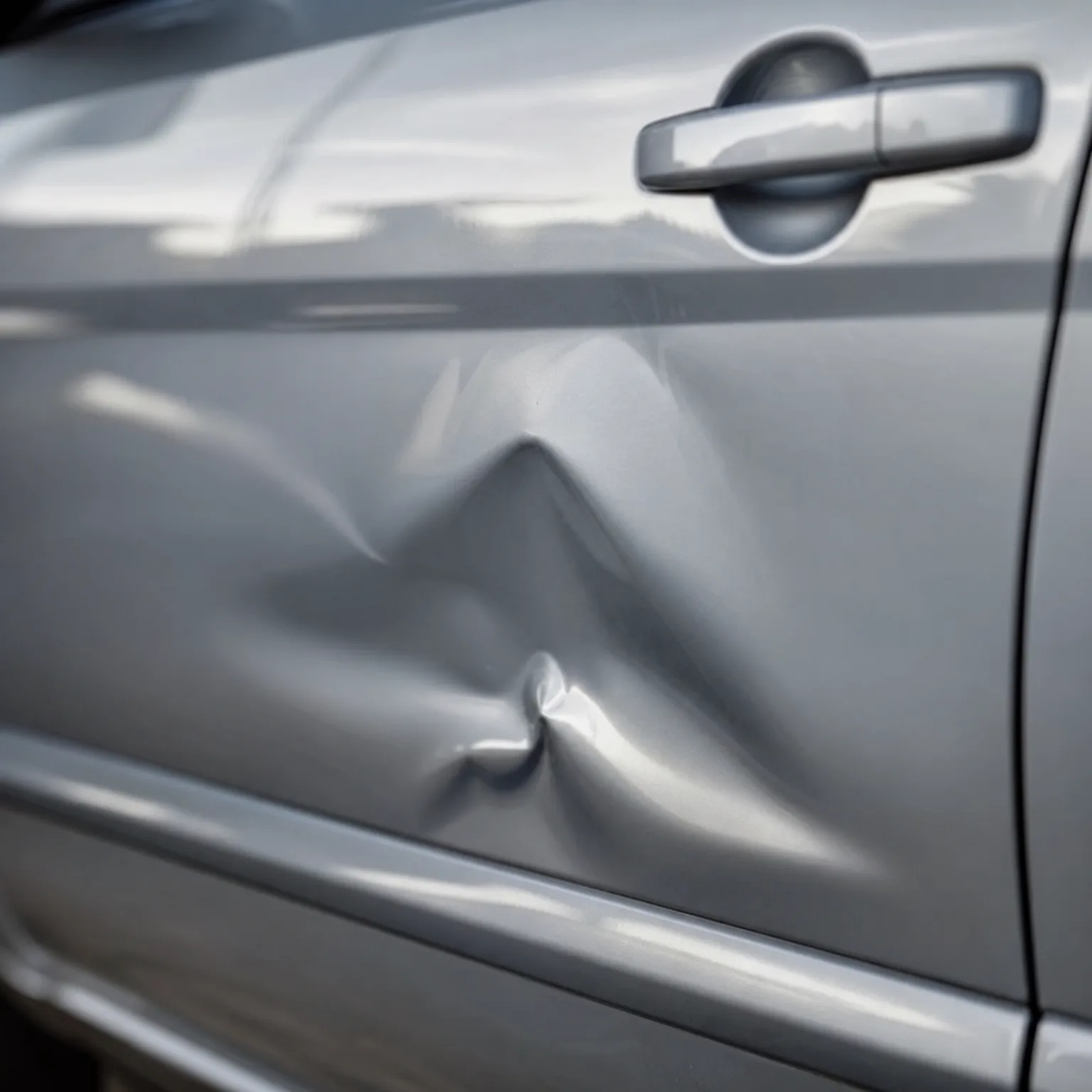
A rear end collision at a stop sign
You're stopped at a sign waiting for traffic to clear when the car behind you taps your bumper. You both pull over, exchange information, and call the police, who arrive and take statements from each of you along with photos of the damage. The officer notes that your car shows damage only to the rear bumper, while the other car shows front end damage, consistent with a rear end collision.
When you file your claim, you also submit your own photos from the scene and a short written account of what happened. The other driver's insurer reviews the police report and the damage pattern, and because rear end collisions typically point to the trailing driver, they accept liability for their policyholder. The claim moves forward without a dispute, largely because the physical evidence lined up clearly with the sequence of events you described.
What you document right after an accident often decides the outcome more than anything said later.