How Do You Know When a Senior Should Stop Driving
The answer is never age alone. It's whether specific skills, reflexes, and judgment have actually changed, and that's measurable.
Age doesn't cause unsafe driving, specific changes do
Insurers and doctors don't use age as a measure of skill because it isn't one. Two people born the same year can have completely different reaction times, vision, and judgment behind the wheel. What actually predicts safe driving is a set of specific things: how fast you react, how well you see at night and in your periphery, how you handle sudden decisions, and whether a medical condition or medication is affecting any of those in ways you might not notice day to day.
This is why the better question isn't how old someone is but whether certain warning signs have shown up. Getting lost on familiar routes, new dents or scrapes on the car, friends or family mentioning close calls, or feeling more tired or tense after driving than you used to are the real signals. None of these are about age itself. They're about function, and function can be tested.
There are cases where this plays out differently. Someone in their 80s with sharp reflexes and no medical changes may have no reason to alter anything. Someone younger with a new diagnosis, a vision change, or a medication that causes drowsiness may need to adjust sooner. Sleep apnea, diabetes, arthritis, and certain heart or neurological conditions matter more to this decision than birthdays do, because they directly affect the skills driving requires.
The state's role is usually limited to license renewal rules, which vary and sometimes include vision tests or more frequent renewals past a certain age. What they check and how often is worth confirming directly, since it differs by state and doesn't always align with what actually determines safety.

A driver who adjusted instead of quitting
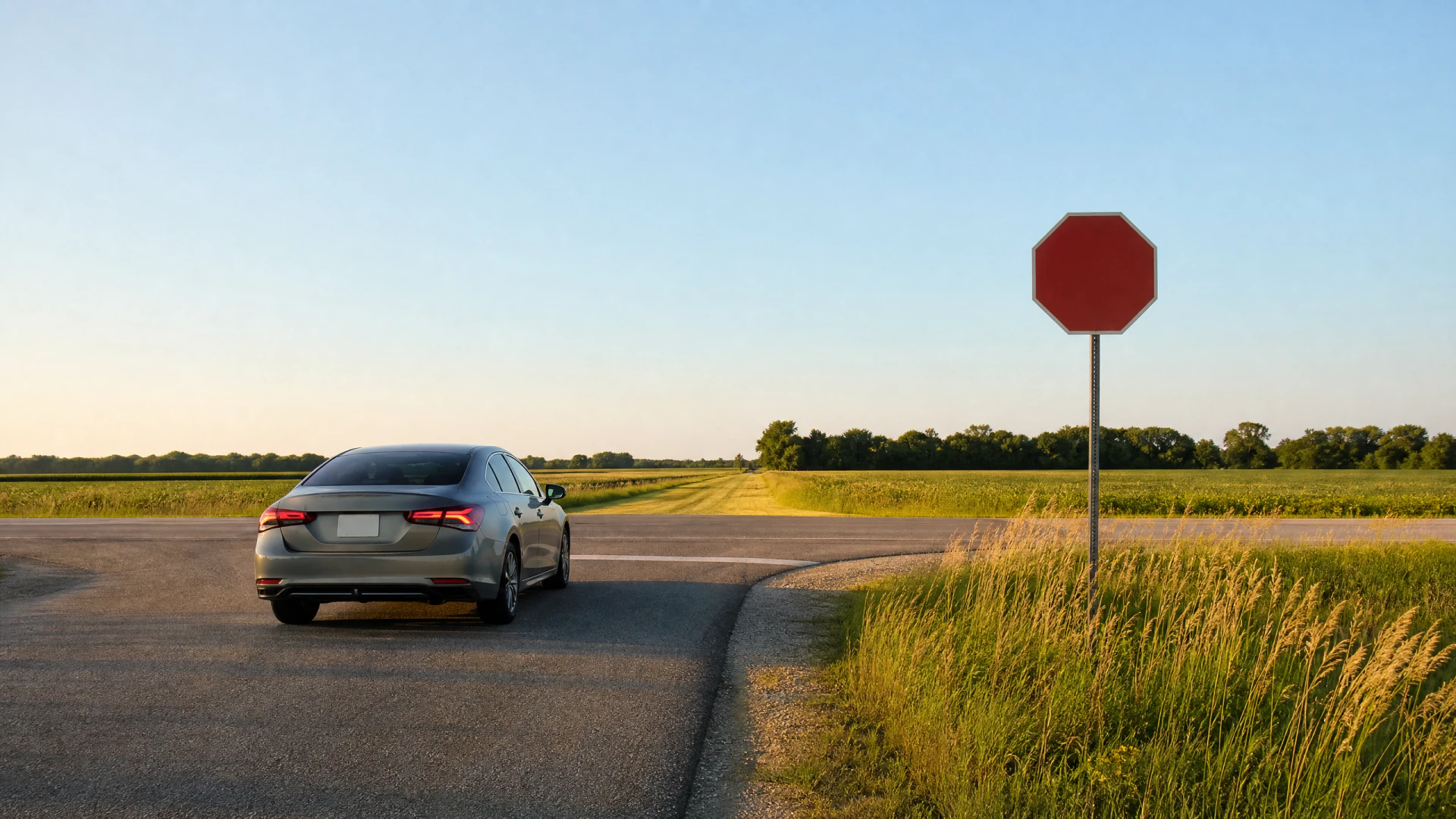
A driver in her early 80s noticed she'd started avoiding left turns across traffic because they felt harder to judge than they used to. She hadn't had an accident, and nobody in her family had said anything, but she noticed it herself. Instead of assuming this meant she should stop driving altogether, she talked to her doctor about it at her next visit and mentioned the specific situations that felt harder, not just a general sense of worry.
Her doctor checked her vision and a few reflex measures and found nothing alarming, but suggested she take a driving evaluation through a local program designed for exactly this kind of question. The evaluation confirmed what she already suspected: her instincts in heavy, fast-moving traffic had slowed, but her driving overall was still solid. She adjusted by sticking to routes with fewer unprotected left turns and avoiding her town's busiest intersection during rush hour. She kept her license, kept driving to church and her grandchildren's events, and had a concrete answer the next time a family member asked how she was doing behind the wheel.
Once you know where you actually stand, compare quotes that reflect your real driving record instead of your age.
Will stopping driving or cutting back raise or lower my insurance cost?
It depends on what changes. If you reduce how much you drive and report that accurately, many insurers will lower your rate because lower mileage generally means lower risk. If you stop driving completely and drop coverage, there's no premium at all, but you'd also have no coverage if you ever needed to drive again, even occasionally.
If a medical condition is part of why you're cutting back, that can affect pricing differently depending on the insurer, since some weigh health-related risk factors more heavily than others. The way to know for certain is to call your insurer directly, describe the specific change, mileage, routes, or health, and ask how each affects your rate before you decide anything permanent.
Trust specific signs over your age. Function, not birthdays, answers this question.
What does a driving evaluation for seniors actually test?
It tests specific skills rather than giving a pass or fail on age. Most evaluations check reaction time, vision including peripheral and night vision, physical range of motion for mirror checks and turning, and decision-making in realistic driving scenarios. Many are run by occupational therapists or rehabilitation specialists rather than the state. Results usually come with specific recommendations, like avoiding highways or night driving, rather than an all-or-nothing verdict. Availability and cost vary locally, so check with a hospital, rehab center, or your doctor for options near you.
Can a family member report a senior driver to the state without telling them?
In many states, yes, there are processes allowing doctors, family members, or even police to request a reevaluation of someone's license, and the person isn't always notified of who made the request. What happens next, whether it's a retest, a doctor's note, or a hearing, varies by state. If this is a concern, check your state's licensing agency directly for how these reports work and what rights you have to respond or appeal before any decision is final.
What insurance options exist for seniors who drive less than they used to?
Many insurers offer usage-based or low-mileage policies that price coverage closer to how much you actually drive, which can lower costs if you've cut back. Some also offer discounts for completing an approved defensive driving or mature driver course, regardless of mileage. Availability of each depends on your insurer and state, so ask directly what you qualify for based on your current driving habits rather than assuming a standard policy is your only option.