How Do You Tell Someone They Should Not Be Driving
Start with specific, recent incidents and a plan for what driving freedom looks like next, not a verdict about their ability.
How to raise it so it actually lands
- Pick one incident, not a pattern A vague worry sounds like an accusation. Bring up one specific recent event, like a scrape in the driveway or a missed stop sign, and ask what happened from their side.
- Separate car from independence The fear underneath is losing freedom, not losing a vehicle. Talk about how errands, appointments, and visits will still happen before you talk about driving less.
- Involve a doctor or evaluator Your opinion carries less weight than a neutral one. Ask their physician about a driving evaluation so the conversation isn't just family versus parent.
- Offer a trial, not an ultimatum An all-or-nothing demand invites resistance. Suggest cutting out night driving or highways first and see how that feels before anyone discusses stopping entirely.
- Expect more than one talk Nobody agrees to stop driving in a single sitting. Plan to revisit it calmly over weeks, especially after any new incident or health change.
What if they refuse to stop driving after we've talked?
You can't force the decision alone, and pushing harder usually just ends the conversation. What you can do is involve people with actual authority over the license, like their doctor, who in many states can report a medical concern to the licensing agency, or the agency itself, which can require a new road test or vision exam.
Check what your state allows, because some let family members or physicians file a confidential concern while others require more formal documentation. This isn't about going behind their back. It's about moving the decision to someone whose judgment they're more likely to accept than yours, and giving the situation a structure instead of leaving it as an unresolved argument.

Whether you say something now
If you do
You risk a tense conversation, but you also open the door to a plan everyone can live with. Most people need to hear concern more than once before it changes anything, so this is the start of a process, not the end of one.
If you don't
The driving continues unchanged until something forces the issue, usually a near miss, a citation, or a crash. By then the conversation happens under worse circumstances, often with less room to choose a gradual plan instead of a sudden stop.
With a plan for the conversation in hand, compare quotes to see how driving less could affect the cost.

A daughter who noticed new dents
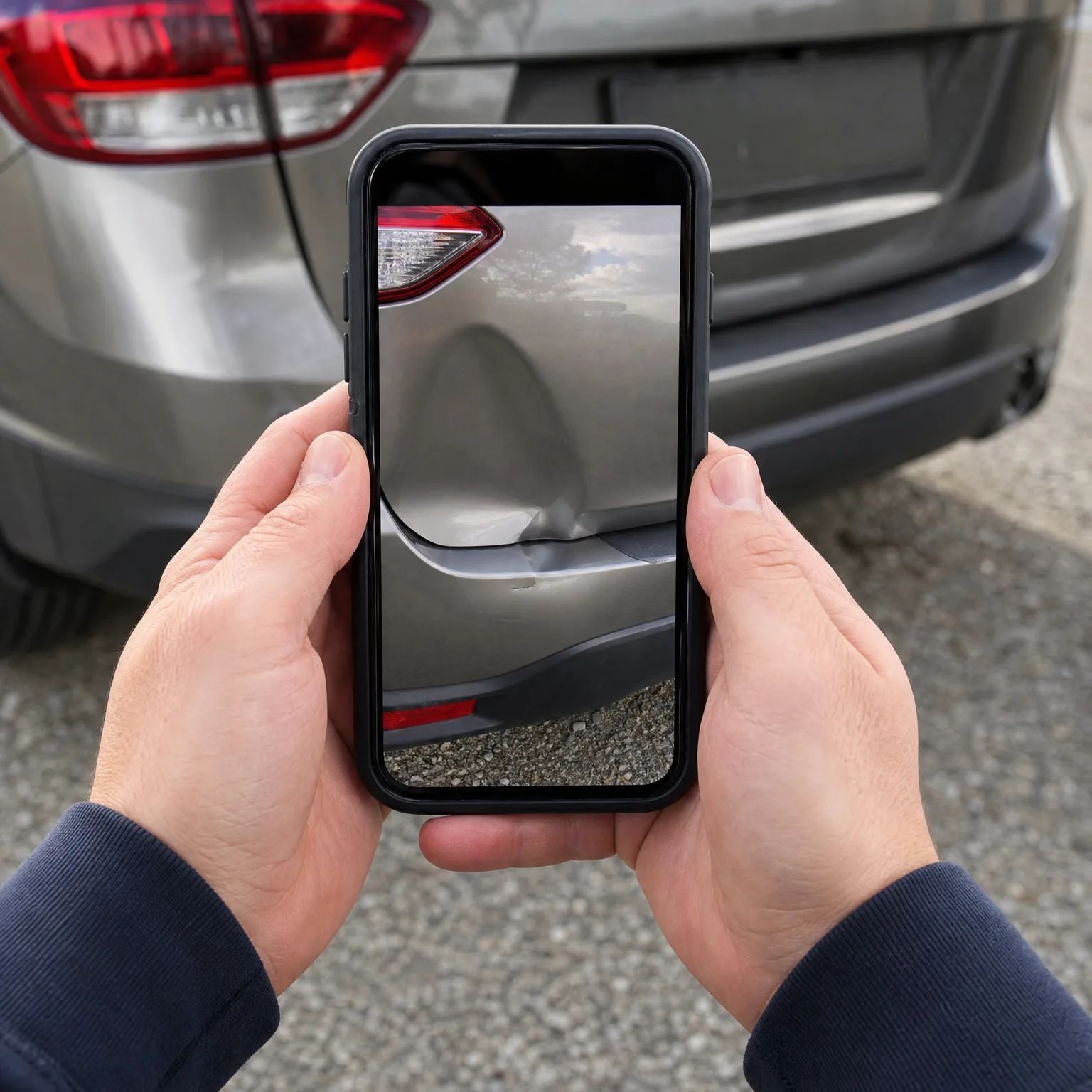
Her father was eighty-four and had driven the same roads for sixty years. She noticed two new dents on his bumper within a month and realized he hadn't mentioned either one. Instead of confronting him about his driving overall, she asked about the dents specifically, one at a time, and listened to his explanation before saying anything else.
He admitted he'd clipped the mailbox backing out and hadn't seen a parked car in a lot. She suggested he ask his doctor about it at his next visit, framing it as a checkup question rather than a challenge to his independence. The doctor recommended a driving evaluation, which found his night vision had declined but his daytime driving was fine. He gave up night driving on his own and kept his license, and the conversation never had to become an argument about stopping altogether.
Why this works better than a direct warning
A direct warning triggers defensiveness because it sounds like a verdict on someone's competence and independence, two things people guard fiercely as they age. Specific, recent incidents are harder to argue with than general statements like your reflexes aren't what they used to be, because they're concrete and happened recently, not a judgment about who someone is.
Involving a doctor or formal evaluation works because it takes the decision out of the family relationship. A parent can dismiss a child's opinion as overprotective, but a medical or licensing authority carries a different kind of weight, and their assessment isn't colored by decades of family dynamics. Many states also give physicians a formal role in reporting medical concerns that affect driving, which exists specifically because family conversations alone often don't resolve the issue.
A gradual plan works better than an ultimatum because stopping driving entirely is a major loss, not a small adjustment. Giving up night driving or highways first lets someone test what reduced driving actually feels like before facing the bigger decision, and it often reveals that the smaller change solves most of the real risk anyway.
Where this plays out differently is when there's been a specific event, like a crash or a citation, that's already forced the issue. In that case the conversation becomes less about raising a concern and more about responding to something that already happened, and the licensing agency or insurer may already be involved regardless of what the family decides.