How Does Blind Spot Warning Work
Sensors in the rear bumper watch the lanes beside you and light up when a car sits where your mirrors can't show it.

What the system actually does for you
- Sensors watch the side lanes Radar units in the rear bumper scan the lanes next to your car constantly. They work whether you're checking mirrors or not, which is the whole point.
- A light warns you first A small light appears in or near the side mirror when a car is in your blind spot. You check for it before you move over, the same way you'd check a mirror.
- The signal adds a stronger alert If you signal toward an occupied lane, the light usually flashes and a chime may sound. This catches moments when you've started a lane change before fully checking.
- It doesn't replace looking The system can miss fast-approaching cars or motorcycles depending on speed and angle. Keep checking mirrors and turning your head the way you always have.
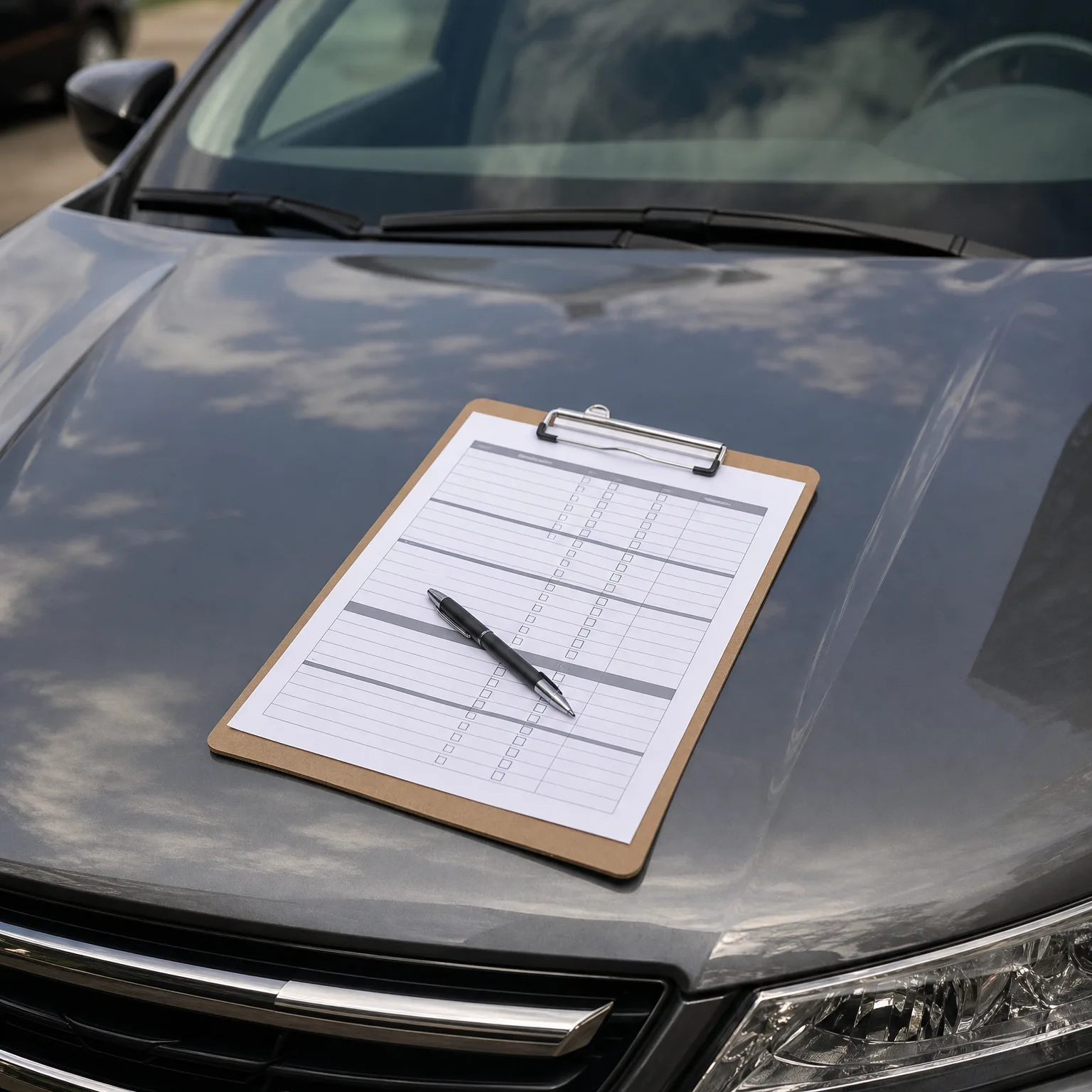
- It can affect your insurance Having this feature may qualify you for a discount depending on your insurer. Ask directly rather than assuming it's already factored into your rate.
Merging on the highway with a car beside you
You're driving home from a doctor's appointment on a four-lane highway and need to move into the right lane to reach your exit. You check your mirror, see nothing, and start to signal. Before you turn the wheel, a light flashes in the mirror housing and a soft chime sounds. You glance over your shoulder and there's a car in the lane, right where your mirror couldn't show it, matching your speed almost exactly.
You hold your position, let the car pass, and then merge once the lane is clear. The whole thing takes a few seconds and nothing dramatic happens, which is really the goal. Later you mention it to your daughter, who had asked whether your newer car had this feature. You tell her it caught something your mirrors didn't, and that's the point of having it rather than a sign you needed it.

Whether you rely on the warning light or your own check
If you do
You get an extra set of eyes on a spot mirrors can't fully cover. Lane changes feel steadier because you're confirming what you see with what the system reports, catching the rare car that sits exactly where your mirror can't show it.
If you don't
You're back to mirrors and a shoulder check alone, which worked for decades before this feature existed. It's still a safe way to drive, it just means the system isn't adding its extra layer of confirmation on fast merges or highway lane changes.
Now that you know what the warning does and doesn't cover, compare quotes to see if having it lowers what you pay.
Why the system is built this way
Blind spot warning exists because mirrors, no matter how well adjusted, leave a gap next to your rear doors where a car can sit without appearing in any mirror. The sensors cover exactly that gap using radar that doesn't depend on light or weather the way your eyes do. That's why the alert can still catch a car at dusk or in rain when your own view is worse than usual.
The system only tells you what's beside you right now. It can't predict a car about to speed into that space in the next second, which is why checking yourself still matters even with the light working. Speed differences matter too. A motorcycle or a car moving much faster than you can sometimes enter and leave the zone between radar updates, so the warning isn't guaranteed to catch every case.
Insurers vary in how they treat the feature. Some give a discount automatically if your car's make and model year include it as standard equipment, others only apply it if you mention the feature or it comes up during underwriting. Ask your insurer directly what information they used and whether listing the feature yourself changes anything.
The feature also varies by manufacturer in small ways, some include a steering nudge if you ignore the alert and start merging anyway, others only use light and sound. None of that changes what you should do behind the wheel. Treat every alert as useful information and keep your own check as the final word.
The warning light is a second check, not a replacement for the one you've always done with your own eyes.
Does having blind spot warning actually lower my insurance rate?
Sometimes, but it depends entirely on your insurer and how your policy is rated. Some insurers build the discount into the rate for your car's make, model, and year automatically if the feature came standard. Others ask you directly whether your car has specific safety features when you get a quote or renew, and the discount only applies if you answer and they verify it.
The only way to know for certain is to ask your insurer what they have on file for your vehicle and whether mentioning the feature yourself would change your rate. Don't assume it's already counted. If you're comparing quotes anyway, this is worth raising directly with each one, since the way insurers weigh it differs enough that it can affect which quote ends up being the better deal for you.