
How Serious Is Hitting a Parked Car
It's serious enough to handle carefully, but a single parked-car accident rarely threatens your license or your ability to keep driving.
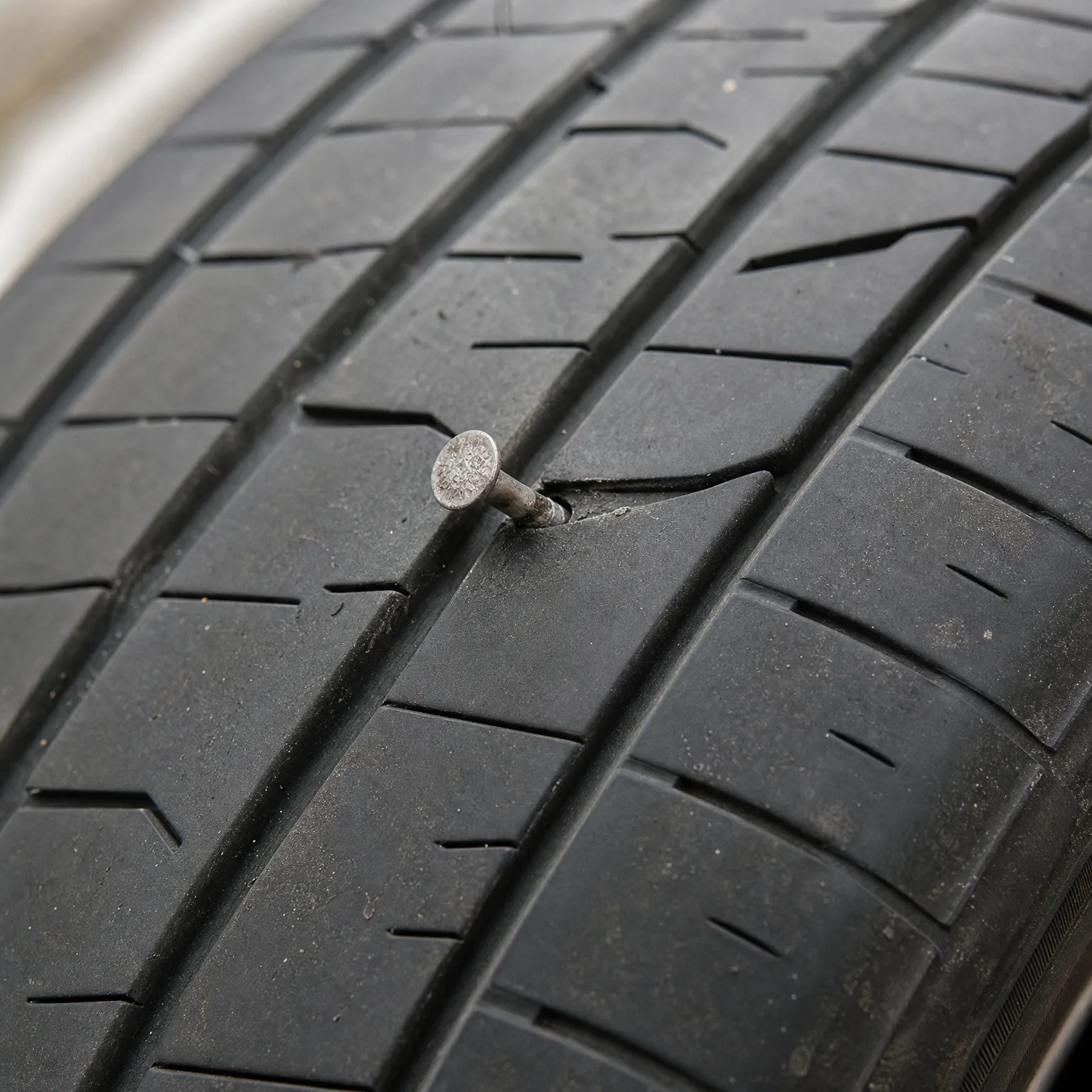
What actually happens after you hit a parked car
- Leaving a note is required Most places require you to try to find the owner or leave your information if you can't. Driving off without doing this can turn a small accident into a bigger legal problem.
- It counts fully against you There's no other driver to share blame with, so this will likely count fully against you. Report it to your insurer honestly rather than waiting to see if it surfaces.
- Your renewal may rise some One claim like this typically nudges your rate up rather than causing a dramatic jump. Ask your insurer directly how this specific claim affects your next renewal.
- Your license is rarely at risk A parked-car accident alone usually doesn't trigger a license review unless damage or injury was significant. Keep documentation in case anyone asks questions later.
- A police report isn't automatic Minor damage often doesn't require a report, but rules differ by location. Check what your local law requires before deciding to skip it.
Will this accident make my insurer question whether I should still drive?
Not on its own. Insurers look at patterns over time, not a single low-speed incident in a parking lot. One claim like this is common and doesn't signal a larger problem with your driving.
What matters more is how you respond. Reporting it promptly, being honest about what happened, and not letting it go unaddressed shows an insurer you're still engaged and responsible behind the wheel. Insurers watch for avoidance or repeated incidents, not for the occasional bump.
If you're worried this might affect your coverage long-term, ask your insurer directly how they weigh a single at-fault claim against years of clean driving. Most will tell you plainly that one incident like this isn't a turning point. The record you've built over decades still carries far more weight than one afternoon in a parking lot.

One parking-lot bump doesn't erase decades of safe driving or change who you are behind the wheel.
Now that you know where you stand, compare quotes to see how this claim actually affects your rate.

Should you report hitting a parked car to your insurer
If you do
You call your insurer, describe what happened, and they open a claim. They may ask about damage, location, and whether you left a note. The claim gets processed, your rate may rise at renewal, and the matter is settled cleanly with no lingering risk of it surfacing later as a bigger issue.
If you don't
If the owner or police later connect the damage to you, your insurer may treat it as a delayed or denied claim. This can complicate coverage and raise more questions than reporting it honestly would have. Unreported damage sometimes resurfaces at the worst possible time.
Why a parked-car accident is treated the way it is
Insurers measure risk by looking at patterns, not single events. A parked car can't argue fault, so the accident is almost always assigned entirely to the moving driver. That's simply how liability works when one vehicle is stationary. It doesn't mean the insurer sees you as reckless, only that the facts are straightforward.
The size of the consequence usually matches the size of the damage. A scraped bumper in a parking lot is a minor claim financially, so its effect on your renewal tends to be modest. A more serious collision, especially one involving a parked car with someone nearby or significant structural damage, carries more weight and may be reviewed more closely.
What varies by state and insurer is the paperwork involved. Some places require a police report above a certain damage threshold, others leave it to the drivers to sort out privately. Insurers also differ in how long a single claim affects pricing, with some weighing recent history more heavily than others. Check your policy or ask directly how one claim factors into your specific renewal.
The cases that turn serious are the ones involving injury, a hit-and-run, or a pattern of repeated incidents. If someone was nearby, if you left without leaving information, or if this is your second or third claim in a short span, insurers and sometimes licensing agencies look more closely. A single, promptly reported, low-damage incident almost never falls into that category.