How to Avoid Being Blinded by Glare When Driving at Night
You cut night glare by changing what's on your windshield, in your glasses, and on your dashboard, not by fighting through it.
Five changes that actually cut glare
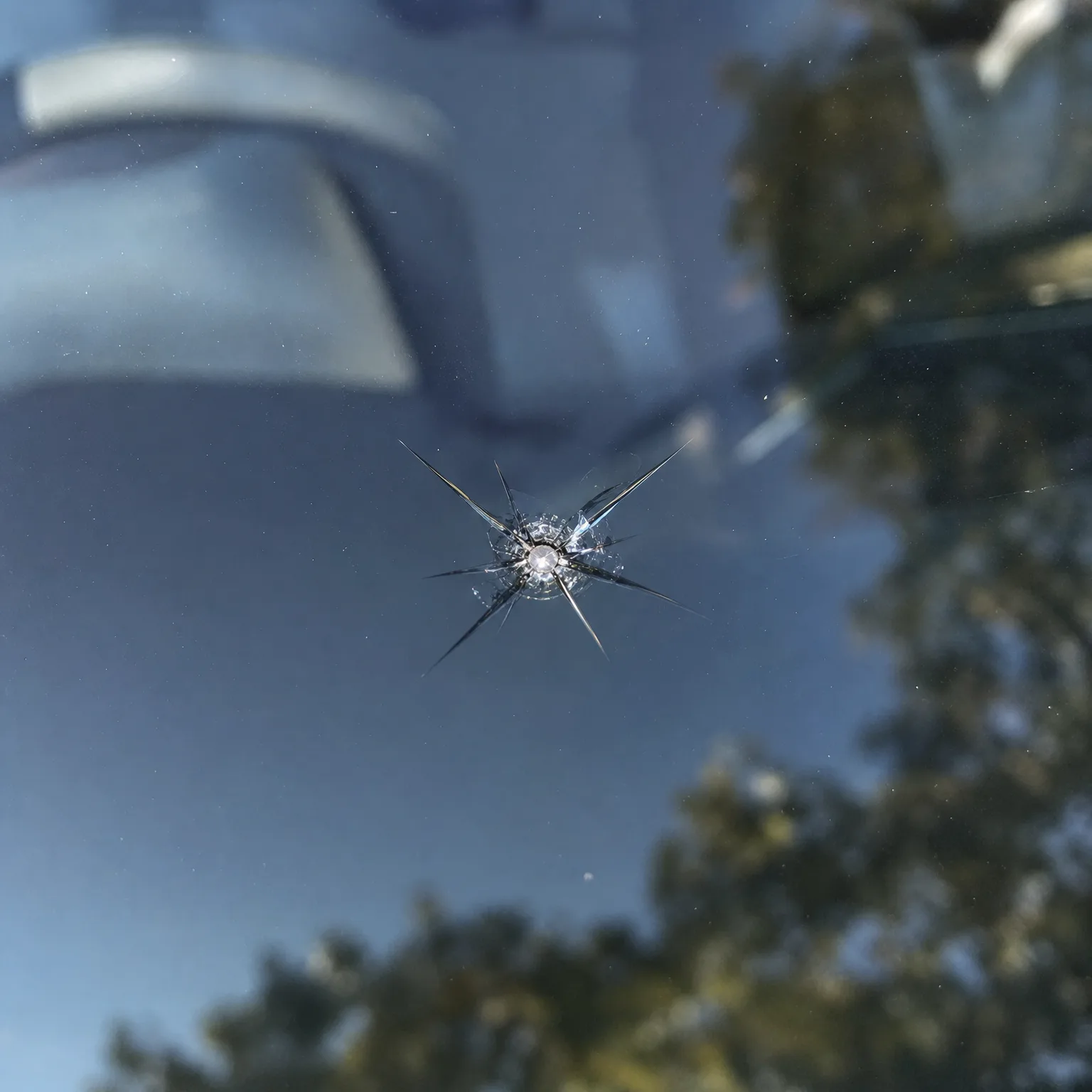
- Clean the windshield A film of dust on the inside of your glass scatters light from every oncoming headlight. Wipe the inside of the windshield with glass cleaner, not just the outside.
- Skip yellow or polarized lenses Glasses sold for night glare often make things worse by darkening your whole view. Ask your eye doctor about an anti-reflective coating instead, which is proven to help.
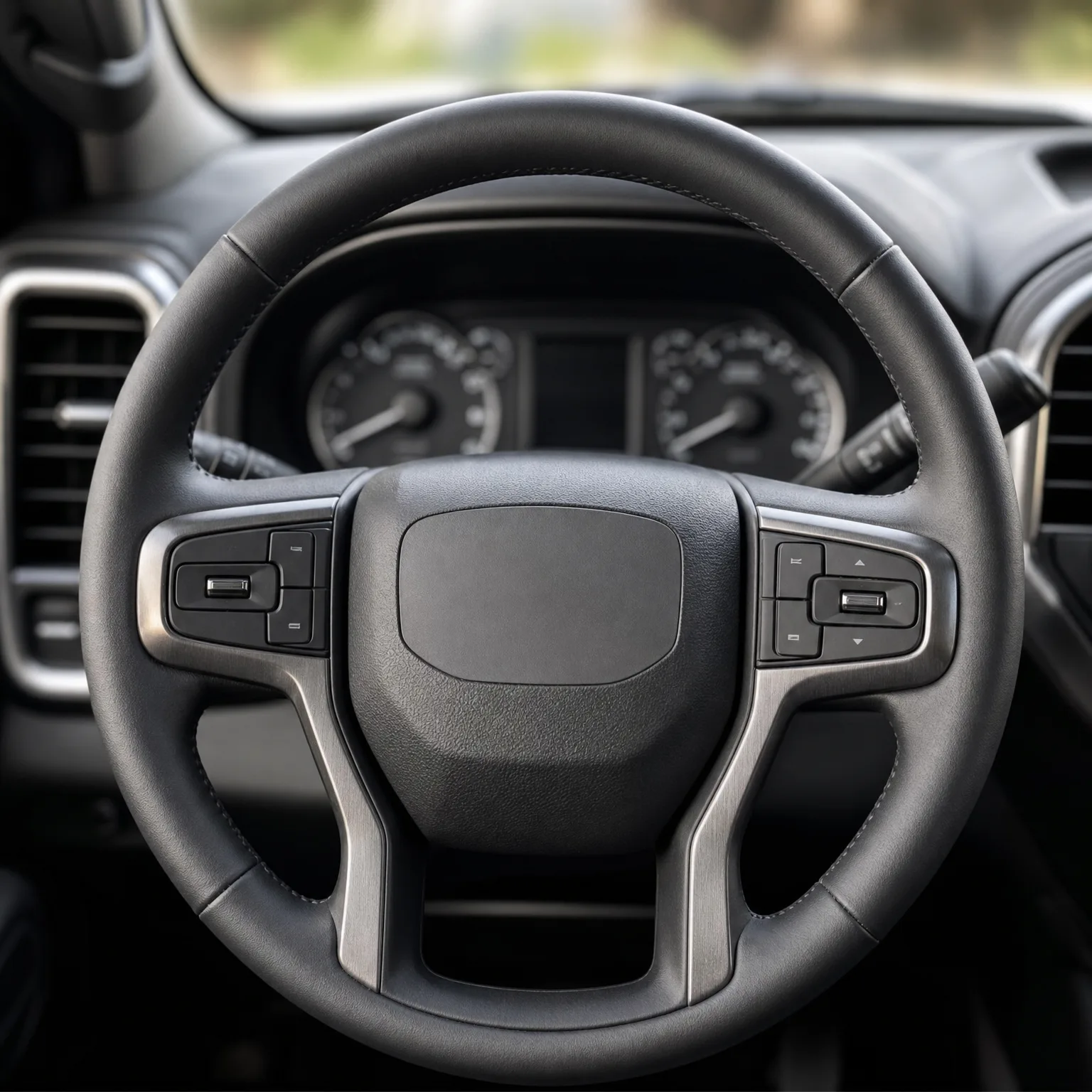
- Dim your dashboard A bright dashboard forces your eyes to adjust between it and the dark road. Turn your instrument panel brightness down as low as you can still read comfortably.
- Aim your mirrors right Glare from headlights behind you is often worse than glare from the front. Tilt your rearview mirror to its night setting and angle side mirrors slightly outward.
- Get your eyes checked yearly Early cataracts make glare feel far worse before you notice any other vision change. A yearly eye exam catches this before it affects your driving.
The short version
Glare at night comes from scattered light, inside your car and inside your eyes, not just from other drivers' headlights. Clean your windshield, dim your dashboard, and get an anti-reflective coating on your glasses. Then get your eyes checked yearly, since early cataracts show up as glare before anything else.
Could glare sensitivity mean I shouldn't drive at night anymore?
Not on its own. Glare sensitivity increases for almost everyone as they get older, and most of it comes from fixable things like a dirty windshield, old headlight lenses, or glasses without a coating. It's a reason to make changes, not a reason to stop.
The exception is if glare is new, sudden, or getting noticeably worse over a few months. That pattern can point to early cataracts, which are treatable but need a doctor to confirm. If headlights are starting to leave a lasting afterimage, or you find yourself slowing down well below the speed limit because you can't see past the glare, get your eyes checked before you decide anything about your driving. For most people the fix is simpler than that.
Once you've made night driving easier on your eyes, compare quotes to make sure your coverage still fits how you drive.

The choice is whether you fix the glare or just avoid night driving
If you do
You keep driving to evening church service, dinners, and visits without rearranging your life around daylight. The fixes are mostly free or cheap, and most people notice a real difference within a week of cleaning their windshield and adjusting their mirrors.
If you don't
You start quietly avoiding night driving, which shrinks your plans more than you meant it to. Family may notice you skipping evening events and start asking questions you'd rather not field, when the real issue was a dirty windshield or glasses without the right coating.
A driver who thought her eyes were failing her
A woman in her early 80s noticed that oncoming headlights left a glow that stayed in her vision for a few seconds after the car passed. She started avoiding her Tuesday evening dinner with friends because the fifteen-minute drive home after dark felt harder every week. Her daughter asked if she'd thought about giving up her keys.
She went to her optometrist first, worried the answer would be about her license. The exam showed no cataracts yet, but her glasses had no anti-reflective coating and her windshield had a faint haze she'd stopped noticing. She got the coating added at her next pair, cleaned the inside of her windshield that weekend, and turned her dashboard lights down. Within two weeks the afterimage was gone and she went back to Tuesday dinners. The exam also gave her something concrete to tell her daughter, that her eyes were fine and the glare had a fixable cause.
Glare feels like failing eyesight, but it's usually your windshield, glasses, or dashboard, all fixable.