How to Dispute a Car Insurance Claim Against You
You dispute it by requesting the insurer's evidence, giving your own written account, and asking for a formal review before it's finalized.
Why disputes work the way they do
An insurer decides fault based on whatever evidence reaches the claims file first. Often that's the other driver's statement, a police report, or a repair estimate. If your side isn't in that file, the decision gets made without it. Disputing isn't about being upset that a claim was filed against you. It's about making sure the adjuster has your account, your timeline, and anything that supports it before they close the file or set a fault percentage.
Every insurer has an internal review process for exactly this situation. You ask for the claim notes, you submit a written statement, and you request that someone other than the original adjuster take a second look. This is standard, not confrontational, and adjusters expect it. What varies is how formal the process is and how long you have to use it, so check your insurer's claims procedure or ask directly what the appeal window looks like.
Fault findings matter because they follow you. A claim marked as your fault can affect your renewal price and your record, even if you were never cited and no court ever ruled on it. That's why the dispute happens inside the claims process itself, not after the fact. Once a fault decision is final and reported, undoing it is much harder than catching it early.
Some cases don't resolve through the insurer at all. If the other driver's account conflicts sharply with yours and there's no independent evidence, either insurer may suggest arbitration between the two companies, or the matter may end up decided by a state's no-fault or comparative fault rules. Ask your insurer which applies in your state, since that changes what evidence actually moves the needle.
The short version
You dispute a claim by requesting the file, submitting your own written statement and evidence, and asking for a second review before the fault decision is final. Do this quickly, before the claim closes. The one thing to do now is call the claims department and ask what their appeal process requires.
A driver who caught it before the record was set
A driver in her 80s was rear-ended at a stop sign, but the other driver told his insurer she'd backed into him. Her insurer opened a claim and listed her as partially at fault based on his statement alone. She requested the claim file, which showed no one had asked for the dashcam footage from the gas station across the street.
She wrote a short statement describing the stop, called the gas station herself to ask about saving the footage, and gave the camera contact information to her adjuster. The footage showed her car stationary for several seconds before impact. The fault finding was reversed within the review period, and her record reflected no fault on her part. The key step was asking for the file early, before the claim closed and the finding became final.
Once you know how to dispute a claim, compare quotes to see how a renewal looks once the finding is corrected.

Request the claim file or wait for the insurer's decision
If you do
You see exactly what evidence the adjuster used, including statements and reports you haven't read yet. You can point to gaps, like missing witnesses or footage, and submit your own account while the file is still open. Most insurers will pause a fault finding while a documented review is underway.
If you don't
The adjuster finalizes fault using only what's already in the file, usually the other driver's version and the police report. Once closed, reversing it requires a formal appeal, which takes longer and succeeds less often. The finding may already affect your renewal before you learn it was contested.
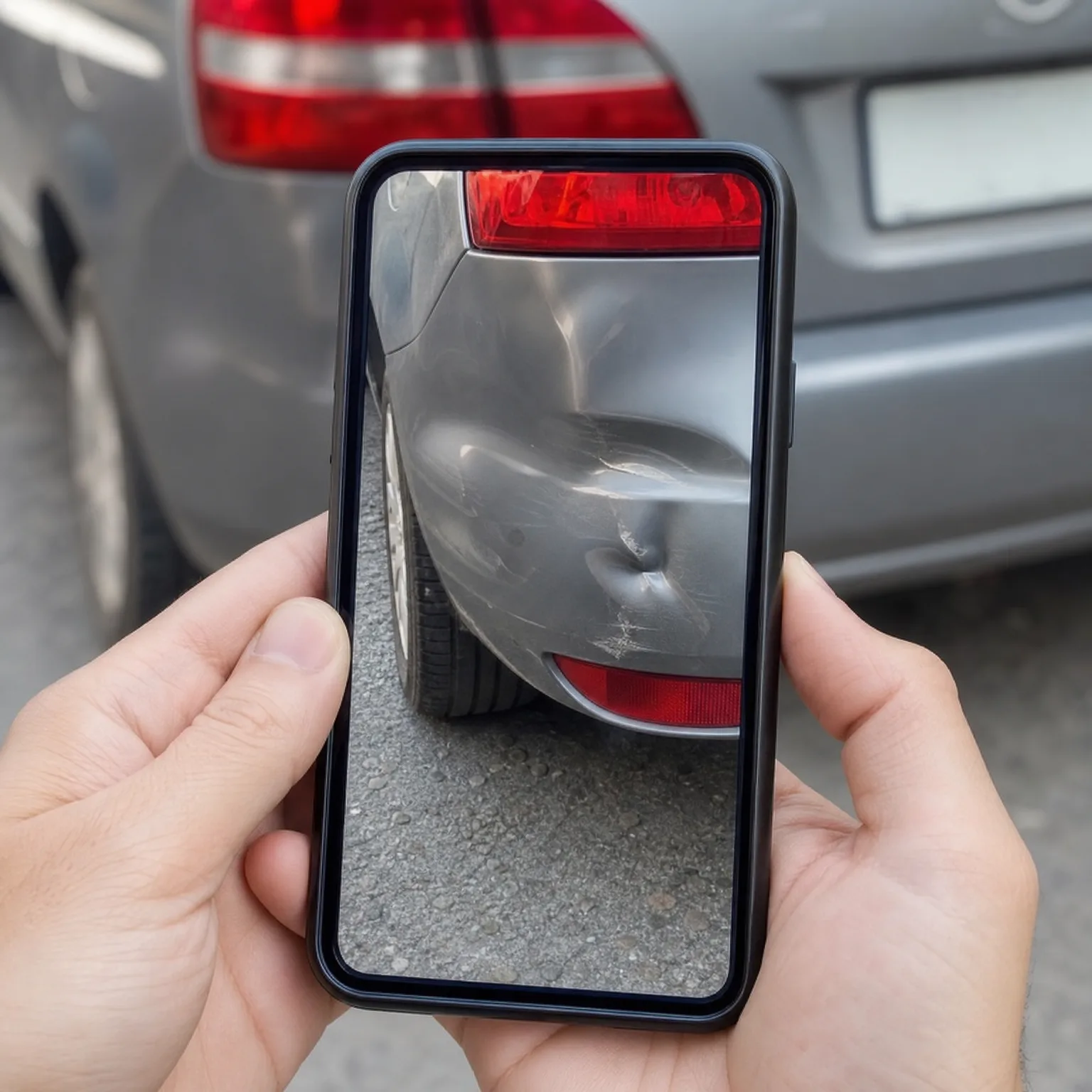
What actually moves a dispute forward
- Request the claims file Ask the adjuster directly for the notes, statements, and reports already in your claim. You can't dispute what you haven't seen.
- Put your account in writing A written statement carries more weight than a phone call and becomes part of the permanent file. Include dates, locations, and anything that supports your version.
- Gather independent evidence Dashcam footage, nearby security cameras, or witnesses matter more than your word against the other driver's. Ask about availability quickly, since footage often gets overwritten within days.
- Ask for a second reviewer Request that someone other than the original adjuster re-examine the fault decision. This is a normal step, not an escalation, and most insurers have a named process for it.
- Know your window to appeal Review periods are often short and vary by insurer and state. Ask directly how long you have before the fault finding becomes final.