
How to Drive on the Highway Without Fear
Highway fear fades with a plan, and that plan can also keep your insurance affordable.
Fear comes from losing practice, not from losing skill
Highway driving feels harder after a break because the skills involved, merging at speed, reading traffic several cars ahead, judging gaps, are built through repetition. When you drive highways less often, as many people naturally do after retirement, those skills feel rusty even though your judgment is still sound. The fear is your brain noticing the mismatch, not proof that something is wrong with you.
The fix is the same one that built the skill the first time. Short, low pressure highway trips, taken when traffic is light and the weather is calm, retrain your comfort faster than avoiding the highway ever will. Each trip gives your brain fresh evidence that you can handle it, and that evidence matters more than any amount of thinking about it beforehand.
Insurers care about this too, though not in the way most people expect. They don't track whether you feel nervous. They track what you actually do behind the wheel, through your record and sometimes through a monitored driving program. A driver who avoids highways entirely can look riskier on paper than one who drives them occasionally and well, because avoidance often means more stop and go local driving, with more intersections and more chances for a minor claim.
Where this plays out differently is health. If a vision or reaction time change is part of why the highway feels harder, that's worth addressing directly with a doctor, separate from the confidence building itself. The two problems need different solutions, and treating them as one can leave you working on the wrong one.
One driver's return to the highway after a year away
A driver in her early 80s had stopped taking the interstate after a hospital stay kept her off the road for several months. By the time she felt ready to drive again, she stuck to local streets out of habit, even though her doctor had cleared her fully. The highway on-ramp near her house started to feel like a wall.
She picked a Sunday morning, low traffic, and drove one exit out and back with her son in the passenger seat, not because she needed supervision but because having company made the first trip easier. The next week she went two exits alone. Within a month she was back to her regular route to her sister's house, forty minutes each way, highway the whole trip. Her insurer never knew the difference, because her record stayed clean the entire time. What changed was entirely her own comfort, rebuilt one short trip at a time.
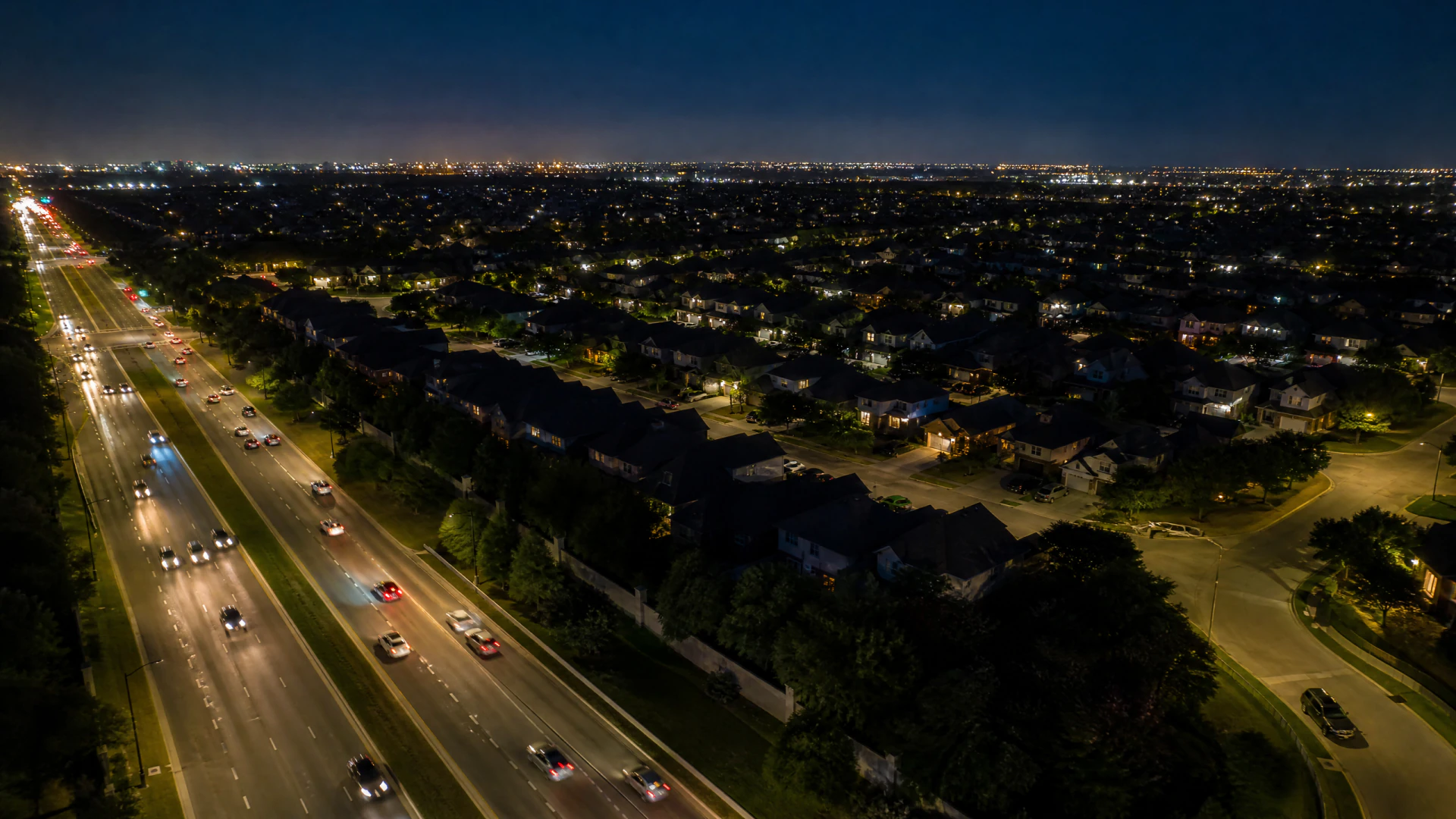
With a plan to ease back onto the highway, compare quotes to make sure your coverage still fits the driver you are now.
What actually rebuilds highway confidence
- Start short and low pressure Pick one exit, light traffic, good weather. A small win builds more confidence than a long trip that goes badly.
- Choose your lane position early Merge from the right lane and move left only when you need to. Less lane changing means less to manage at once.
- Rule out a health factor If vision, neck movement, or reaction time make merging harder, get that checked separately from the confidence itself.
- Drive it until it's routine Repeat the same short highway trip two or three times a week. Familiarity does more than any mental pep talk.
- Ask about a driving program Some insurers offer monitored driving that can show you're a safe highway driver, which can also help with your rate. Ask what's available where you live.

The fear isn't a verdict on your driving. It's rusty practice, and practice is the only fix.
Will my insurance rate go up if I avoid highway driving?
Not directly, insurers don't track which roads you drive. But avoiding highways often means more local, stop and go driving, which carries its own accident risk, mostly from intersections. If your record stays clean either way, your rate shouldn't move because of your route choice alone. What changes rates is your actual claims and violations history, so the safest move is whichever driving pattern keeps your record clean, highway or not.
Does a doctor need to clear me before I drive the highway again?
Only if a specific health change prompted your break, like a hospital stay, a new medication, or a vision diagnosis. If your hesitation is purely about confidence after time away, no medical clearance is needed. Check with your doctor if you're unsure whether a health issue is part of the picture, since treating a medical cause as just nerves can delay the right fix. When in doubt, ask at your next regular visit.
Should I tell my insurer I'm easing back into highway driving?
Usually not necessary, since insurers don't require notice of which roads you use. The exception is if you're enrolling in a monitored driving program, where your actual driving gets tracked and can influence your rate. Check your policy or ask your agent whether such a program exists and what it requires. If you're not in one, your highway comfort is a personal matter, not a reporting one.