How to Get Better at Left Turns
You get better at left turns by changing when and how you take them, not by forcing yourself through the ones that already feel wrong.

A few habit changes make left turns safer and easier
- Wait for a clearer gap Left turns ask you to judge the speed of oncoming cars, and that judgment gets harder with age. Give yourself a longer gap than you think you need, every time.
- Use protected signals A turn arrow removes the guesswork of judging oncoming traffic entirely. If your regular route has an intersection without one nearby, it's worth driving the extra block to use it.
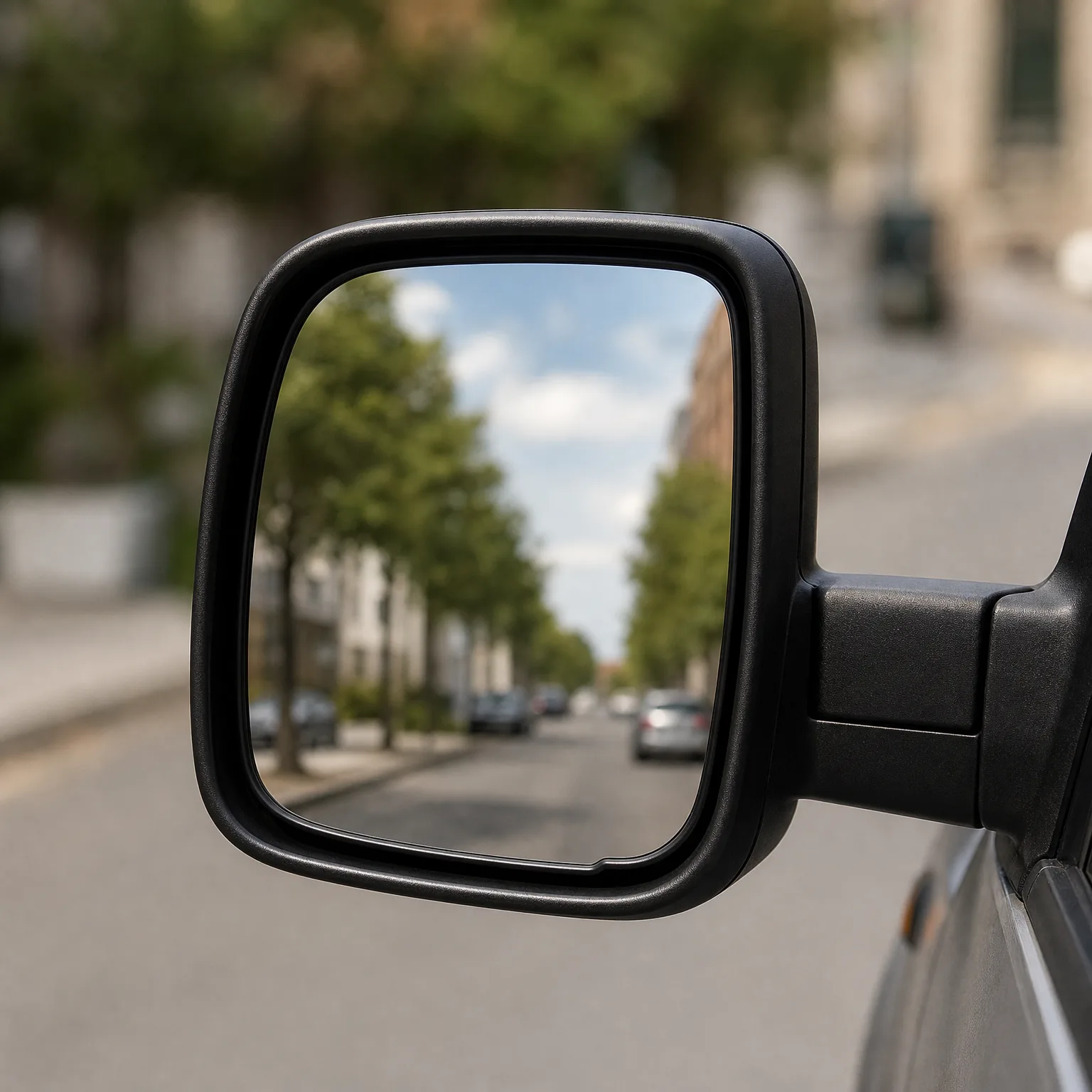
- Reposition mirrors and seat Many missed gaps come from blind spots, not bad judgment. Check that your mirrors and seat height actually show you the lane you're turning across, not just the one you're in.
- Practice on quiet streets Confidence comes back with repetition in low pressure settings. Pick a quiet intersection and make the same left turn a few times until it feels automatic again.
- Plan routes to avoid hard turns You don't have to prove anything by taking the hardest intersection. Mapping a route with right turns or protected lefts is still good driving, not avoidance.
A driver who dreaded one intersection near home
One driver in her early 80s had a left turn near her house that worried her every time, a busy road with fast traffic and no turn arrow. She'd started timing her errands around avoiding it, which meant longer drives and more stress than the turn itself was worth.
She worked with a driving instructor for a single lesson focused only on that intersection, practicing the turn at different times of day to see when traffic was lightest. She also found an alternate route with a protected signal two blocks over. Within a few weeks she was using the easier route most days, but she'd also relearned the harder turn well enough to take it when needed. The stress of that one corner stopped shaping her whole week.
Will practicing left turns actually lower my insurance rate?
Not directly, but it can help indirectly. Insurers don't see your turning skill, they see your driving record, so the real payoff of practice is avoiding the kind of incident that would raise your rate.
Some insurers do offer a discount for completing an approved defensive driving or mature driver course, and those courses often cover exactly this kind of intersection judgment. Ask your insurer whether such a course qualifies and how much it affects your premium. The course itself, separate from any discount, is also where structured left turn practice usually happens.
With a plan for the turns that worry you, compare quotes to make sure your coverage still fits how you drive.

Why do left turns get harder as you get older?
Left turns demand quick judgment of distance and speed for oncoming traffic, and both depth perception and reaction time naturally slow with age. It's not a sign of unsafe driving, it's a predictable change. Checking your vision yearly and allowing extra time for gaps accounts for it well.
Should I avoid left turns entirely as I get older?
No, avoiding them entirely usually isn't necessary. Most drivers do better by reducing difficult left turns rather than eliminating them, using protected signals or alternate routes where available. If a specific intersection consistently feels unsafe, avoiding that one is reasonable, but blanket avoidance can limit you more than it protects you.
Does a mature driver course cover left turns specifically?
Most do, since judging oncoming traffic is a core skill they address. These courses usually combine classroom review with practical tips for intersections, including when to yield and how to read gaps. Check with your state's licensing agency or your insurer for a list of approved courses in your area.

The turns that worry you aren't a verdict on your driving, just the spot where practice pays off most.