How to Overcome Driving Anxiety After an Accident
You overcome it by driving again in small, deliberate steps, starting before you feel ready, not after.
What actually rebuilds your confidence behind the wheel
- Short drives first Start with routes you know well, in daylight, with no time pressure. Success on easy drives is what convinces your nervous system it's safe again.
- Same route, repeated Drive the same short route several times before adding a new one. Repetition is what turns a tense drive into an ordinary one.
- Name the moment that scares you Notice exactly what triggers the fear, a left turn, a merge, a certain intersection. Once you know the specific trigger, you can practice that one thing on purpose.
- Tell someone your plan Let a family member or friend know you're easing back in and what your next step is. It keeps you accountable without making the decision theirs.
- Check your policy and record Ask your insurer how an accident affects your renewal and what counts as a safe driving history going forward. Rules differ by insurer, so get it in writing.
A driver eases back onto the road after a fender bender
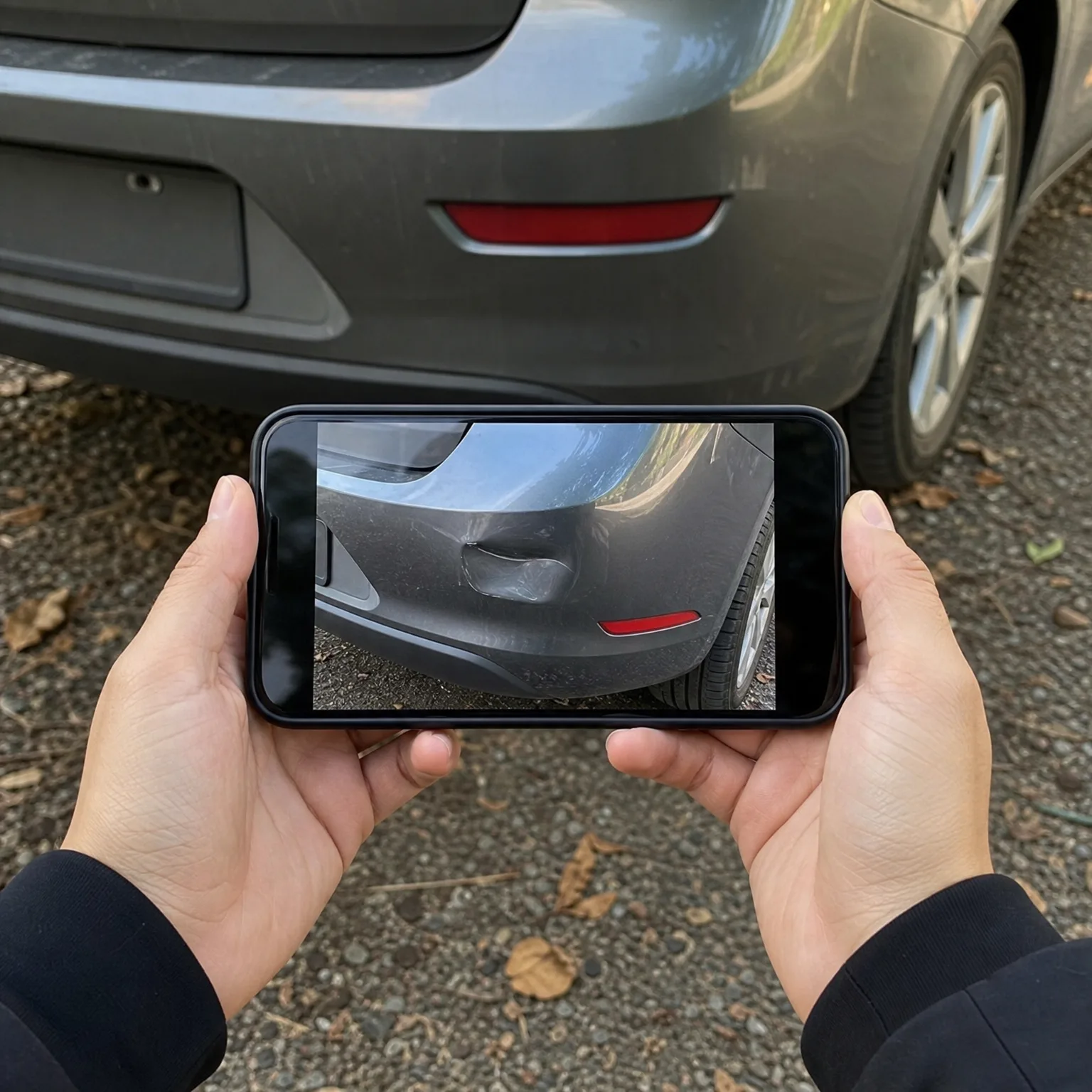
A woman in her early 80s was rear-ended at a stop sign on a familiar road near her house. No one was hurt, but she found herself avoiding that intersection entirely, taking a longer way to church and to the pharmacy. After a few weeks she realized the detour was costing her more than the fear was worth, so she decided to face it on her own terms.
She picked a quiet Sunday morning, drove the long way first to warm up, then looped back and went through the intersection once, slowly, with no one behind her. She did this three mornings in a row before trying it at a busier hour. By the fourth week she was driving through it without rehearsing it in her head the night before. She also called her insurer to ask whether the accident would affect her next renewal, and learned that her years of clean driving before it still counted in her favor.

Once driving again becomes a matter of pacing, compare quotes to see what your record actually costs.

Whether you get back behind the wheel now
If you do
You keep your routine intact, errands, church, visits, on your own schedule. The anxiety fades faster than people expect once you're driving regularly again. Your insurer sees continued safe driving, which matters more to your rate than the single accident did.
If you don't
Routes shrink to what someone else can drive you to, and the avoidance tends to grow rather than stay put. The longer the gap, the harder the first drive back becomes. Insurers also have nothing recent to judge except the accident itself.
Will one accident raise my insurance rate for years?
It depends on your insurer and your state, and usually it fades faster than people fear. Most insurers weigh recent years more heavily than older ones, so a clean record afterward matters. Check your policy for how long an incident stays a rating factor, since that period varies. If you have decades of prior safe driving, ask whether that history offsets the increase.
Should I tell my doctor about my driving anxiety?
Yes, if it's affecting your daily routine, because a doctor can help you sort out whether it's anxiety alone or something physical worth checking. This matters because some license renewal processes ask about medical fitness, and getting ahead of that is better than reacting to it. A doctor can also confirm you're fit to drive, which is useful if family ever raises the question. What changes the answer is whether you have other new symptoms alongside the anxiety.
What if my family wants me to stop driving after the accident?
Listen to their concern, then show them your plan rather than debating whether you should drive at all. A specific, step by step return to driving usually reassures people more than an argument does. Invite one of them to ride along on an early drive if that helps. What changes the conversation is having a concrete next step, not just reassurance.
The fear fades through driving again, not through waiting until it disappears on its own.