
How to Respond to a Car Insurance Price Increase Letter
Read the letter for the specific reason given, then check that reason against your record before you accept the new price.

A letter arrives after decades with the same company
A driver in her early 80s had carried the same insurer for over twenty years without a claim. A renewal letter arrived stating her premium was increasing, with a brief note about age-related rating factors. No accident, ticket, or claim was mentioned. Her first instinct was to assume something was wrong with her driving record, so she called the insurer directly and asked them to walk through the reason line by line. The agent confirmed the increase was tied to her age bracket, not to any incident, and explained that her insurer adjusts rates at certain age thresholds regardless of record. She asked what could lower the price back down and learned that a recent driving course completion wasn't yet on file.
She sent proof of completion, asked for a review, and also requested quotes from two other insurers as a comparison. Her own company matched a lower rate once the course credit was applied, so she stayed put, but she now had quotes in hand in case next year's letter looked different. The letter had turned into a starting point for a conversation rather than a number she had to simply accept.

The short version
A price increase letter usually reflects a rating factor change, often age-related, not necessarily anything you did wrong. Call and ask for the specific reason in writing, check for any discount you qualify for but aren't getting, and get a comparison quote before your renewal date. Acting early gives you leverage; waiting does not.
Will asking questions about the increase affect my license or coverage?
No. Asking your insurer to explain a price increase is a routine customer service request, not a review of your driving record or your fitness to hold a license. Insurers field these calls constantly and have no reason to flag you for asking what changed on your bill.
Your license is handled separately by your state's motor vehicle agency, and insurance pricing conversations don't trigger anything there. The two systems don't share that kind of internal referral. If a letter ever does mention a driving record concern specifically, that will be stated clearly and separately from a routine rate adjustment, so you'll know the difference when you see it.
Once you know why your price rose, compare quotes from other insurers to see if you're still getting a fair deal.
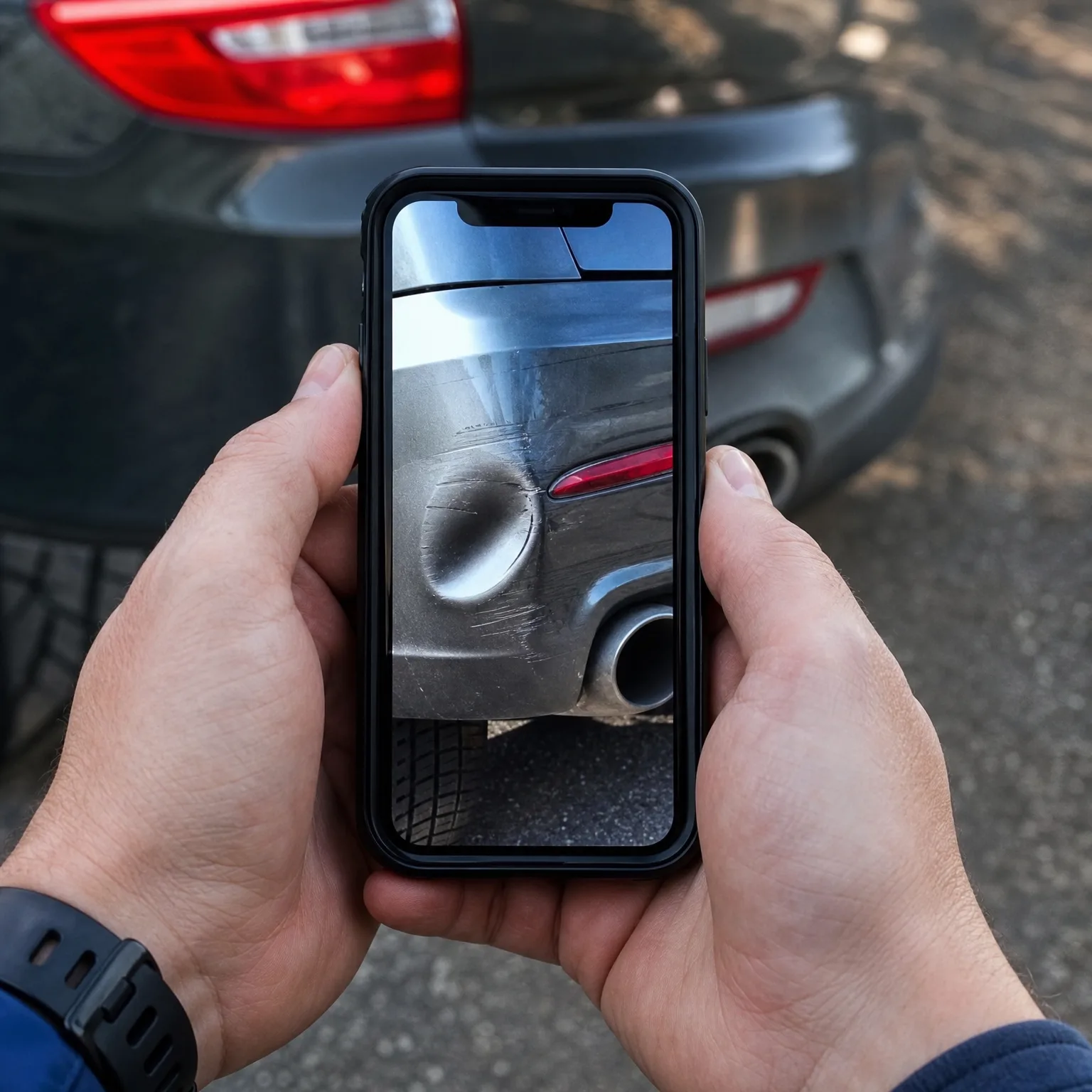
What to do when the letter arrives
- Find the stated reason The letter should name a specific factor like age bracket, location, or claims history. If it doesn't say clearly, call and ask them to state it in plain terms.
- Check for missing discounts Course completions, low mileage, or bundled policies sometimes don't get applied automatically. Ask what discounts exist and whether you're receiving every one you qualify for.
- Request it in writing A verbal explanation can be vague or inconsistent between representatives. Written confirmation gives you something concrete to compare against future renewals.
- Get a comparison quote Shopping your policy with another insurer tells you whether the new price is in line with the market. Do this before your renewal date, not after.
- Note the response deadline Letters often include a date by which you must act or the new rate takes effect automatically. Mark that date and respond before it, even if you're still deciding what to do.
Why the price moves even when your driving hasn't changed
Insurers price risk using broad categories, and age is one of the categories they track closely at both ends of the age range. Statistically, reaction time and certain health conditions become more common as drivers get older, and insurers build that pattern into pricing tiers that apply at certain birthdays regardless of your personal record. This is why a driver with a completely clean history can still see an increase tied to turning a certain age.
The letter is also shaped by rules that vary by state. Some states require insurers to state the specific reason for a rate change in writing, while others allow a more general explanation. Check your state's requirements if the letter you received feels vague, because you may be entitled to a more detailed breakdown than what was first sent.
Insurers also vary in how they weigh age against other factors like completed driving courses, vehicle safety features, or annual mileage. One insurer might offer a meaningful credit for a defensive driving course while another weighs it only slightly. This is why the same driver can get different renewal prices from different companies in the same year, even with identical records.
The exception to all this is when the letter is tied to an actual incident, a claim, or a change in your coverage itself, like a lapse or a change in vehicle. In those cases the increase has a clear, direct cause rather than a broad category shift, and the response is different. Read the letter closely enough to know which situation you're in before you decide what to do next.

A higher price isn't a verdict on your driving. It's a category shift you can question and shop around.