How to Stop Headlights from Blinding You at Night
Oncoming headlights blind you more because your eyes recover from glare more slowly with age, and a few targeted changes fix most of it.
Why headlights feel so much worse now
The glare itself hasn't changed much. What's changed is how fast your eyes recover from it. The lens inside your eye yellows and stiffens over the decades, scattering light instead of focusing it cleanly, so a bright point like an oncoming headlight spreads into a glare that washes out your vision for several seconds longer than it used to. That recovery time is the real problem, not the light itself.
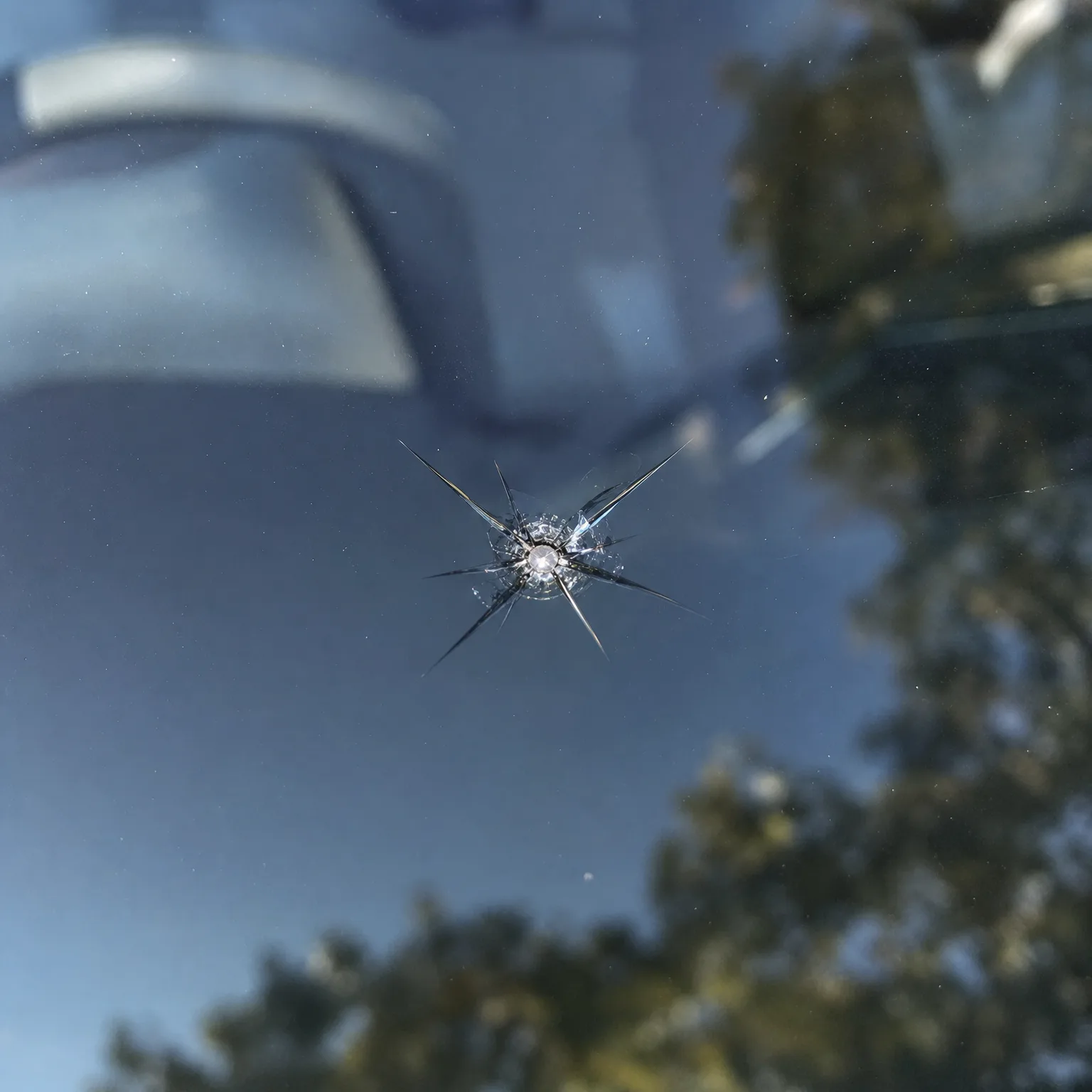
Your windshield and glasses play a bigger role than most people realize. Tiny pits and scratches you can't even see in daylight catch headlight beams at night and scatter them before the light reaches your eye. The same goes for an old anti-glare coating on glasses, or lenses that are due for an update. A windshield or prescription that felt perfectly fine a while back can be the main source of glare now, simply because both it and your eyes have gradually changed.
Some of this is genuinely medical and worth ruling out. Early cataracts are extremely common in your age range and one of the most treatable causes of night glare that exists. Dry eyes, which also become more common with age, can scatter light the same way a scratched windshield does. Neither shows up much in daytime driving, which is why people are often surprised when an eye exam explains what's happening at night.
Where this plays out differently is the roads you drive and the cars around you. Newer headlights are brighter and more blue-white than older ones, and that affects some drivers more than others depending on where oncoming traffic is heaviest. Rural two-lane roads with no median lighting tend to be harder than city streets with more ambient light, so the same person can feel fine on one route and badly glared on another.
What actually reduces the glare
- Get an eye exam first Rule out cataracts and update your prescription before changing anything else. This is the single change most likely to fix the problem at its source.
- Clean and check your windshield Tiny scratches and residue scatter headlight beams even when the glass looks clear in daylight. Have it inspected and replaced if it's pitted or heavily worn.
- Adjust your mirrors Tilt your rearview mirror to its night setting and angle side mirrors slightly outward. This keeps following headlights from hitting your eyes directly.
- Don't look at oncoming lights Shift your gaze to the right edge of your lane when a car approaches instead of looking toward its headlights. This protects your night vision from the glare.
- Choose your routes and times Favor lit roads and avoid your worst routes after dusk when you can. Driving less at night isn't giving anything up if it keeps you comfortable and confident.
Does this mean I should stop driving at night?
No, not because of glare alone. Glare sensitivity is extremely common with age and usually manageable with an eye exam, a clean windshield, and a few habit changes. It's a symptom to address, not a verdict on your driving.
The decision to limit night driving should be yours, based on how you actually feel on the road, not a reflex reaction to one uncomfortable drive. Some people fix the glare and keep driving at night exactly as before. Others decide they simply prefer daylight errands and evening visits earlier, which is a reasonable preference, not a limitation. What matters is that the choice follows from how you feel behind the wheel, after you've ruled out the fixable causes, not from assumptions made before you've tried them.
With the glare addressed, compare quotes knowing your night driving reflects a clear decision, not a workaround.

Getting your eyes and windshield checked
If you do
You find out quickly whether it's cataracts, prescription, dry eyes, or the windshield itself. Most causes are treatable or fixable within weeks. You keep driving at night with real clarity instead of guessing, and you know whether any changes you make are actually working.
If you don't
The glare stays unexplained and you're left guessing at fixes that may not address the real cause. A treatable issue like early cataracts goes unnoticed longer than it needs to. You may end up avoiding night driving unnecessarily, or continuing to struggle with a problem that had a simple fix.
Why do new cars have brighter headlights than they used to?
Many newer vehicles use brighter, bluer-white bulbs that put out more usable light for the driver but also scatter more for people with aging eyes. This is a real industry-wide shift, not something specific to one road or car. Check whether your worst glare comes from specific vehicle types like trucks or SUVs with higher-mounted lights, since that can confirm this is the cause.
Will tinted or yellow-tinted glasses help with night glare?
Generally no, and some can make night vision worse by reducing the total light reaching your eyes. Clear lenses with a good anti-reflective coating usually help more than any tinted option marketed for night driving. Check with an eye doctor before buying glasses marketed specifically for this, since claims vary and your own exam results matter more than the product.
Can a mechanic adjust my headlights to reduce glare for other drivers?
Yes, headlights can go out of alignment over time and aim too high, which blinds oncoming drivers and sometimes reflects back at you too. Have them checked during routine service, especially if a car is old or was in a minor collision. This won't fix glare from other cars but it's a simple check worth doing for your own headlights.