Is Canceling Car Insurance a Good Idea
Canceling makes sense only if you're giving up the car too, since driving uninsured even briefly puts everything you own at risk.
What to look at before you cancel anything
- Any lapse in coverage Even a short gap can follow you and raise what insurers charge when you come back. Check with your insurer about exactly when your policy ends before you make any other move.
- Your state's requirements Most states require some minimum coverage just to keep a car registered and legal to drive. Check your state's rules before canceling, since driving uninsured can cost you your license too.
- Rising cost versus real risk If your renewal went up, that's a pricing question, not a reason to drop coverage entirely. Ask your insurer exactly what changed and whether you qualify for any adjustments first.
- Cutting coverage, not canceling You can often lower cost by adjusting what's covered instead of ending the policy outright. Ask your insurer to walk through each option and what it would mean if something happened.
- Only cancel if you stop driving Canceling makes sense if you're giving up the car for good, not just cutting costs while you keep driving. If you still drive, the goal is a better policy, not no policy.
A renewal notice that looked like a reason to quit
A driver in her early 80s opened her renewal and saw the price had climbed again, the third year in a row. Her first instinct was to cancel altogether and sell the car, since she wasn't sure the cost made sense anymore for someone who mostly drove to church and the pharmacy. But she still needed the car most weeks, and she knew canceling meant finding another way to get everywhere she normally went herself.
Instead of canceling, she called her insurer and asked directly why the price had gone up and what her options were. She found out part of the increase was tied to a coverage limit she'd kept the same for years without ever adjusting it, and that lowering it would still meet her state's requirement while cutting her cost. She also asked about any safe driver programs and qualified for one based on her record. She kept driving, kept her coverage, and paid less than her renewal notice had shown, without giving up anything she actually needed.
Now that you know canceling isn't the fix, compare quotes to find a policy that actually fits what you need.
Why coverage and cost aren't the same problem
Car insurance exists to protect you from a cost you can't predict, not to reward you for driving carefully for decades. That's why canceling to save money addresses the wrong problem. The real question when a renewal rises isn't whether to have insurance, it's whether the specific policy you have still fits how you actually drive now.
Insurers price age the way they price any other factor that affects risk on average, using patterns across many drivers rather than judging you individually. That means your personal record, however clean, doesn't automatically lower your price the way it might feel like it should. It's also why asking directly about your own history matters, since some adjustments only happen if you ask.
State rules are the other piece of this that insurers don't control. Every state sets its own minimum coverage to legally keep a car on the road, and driving without meeting that minimum can cost you your registration or your license, separate from any accident. That's a harder consequence than a higher premium, and it's permanent in a way a bad renewal isn't.
The cases where canceling truly is the right call are narrower than they seem from a renewal notice alone. If you're not driving anymore, if the car is sold or stored permanently, or if someone else is handling your transportation entirely, canceling fits. Short of that, the better move almost always lives inside the policy itself, in what it covers and how it's priced, not in whether it exists at all.
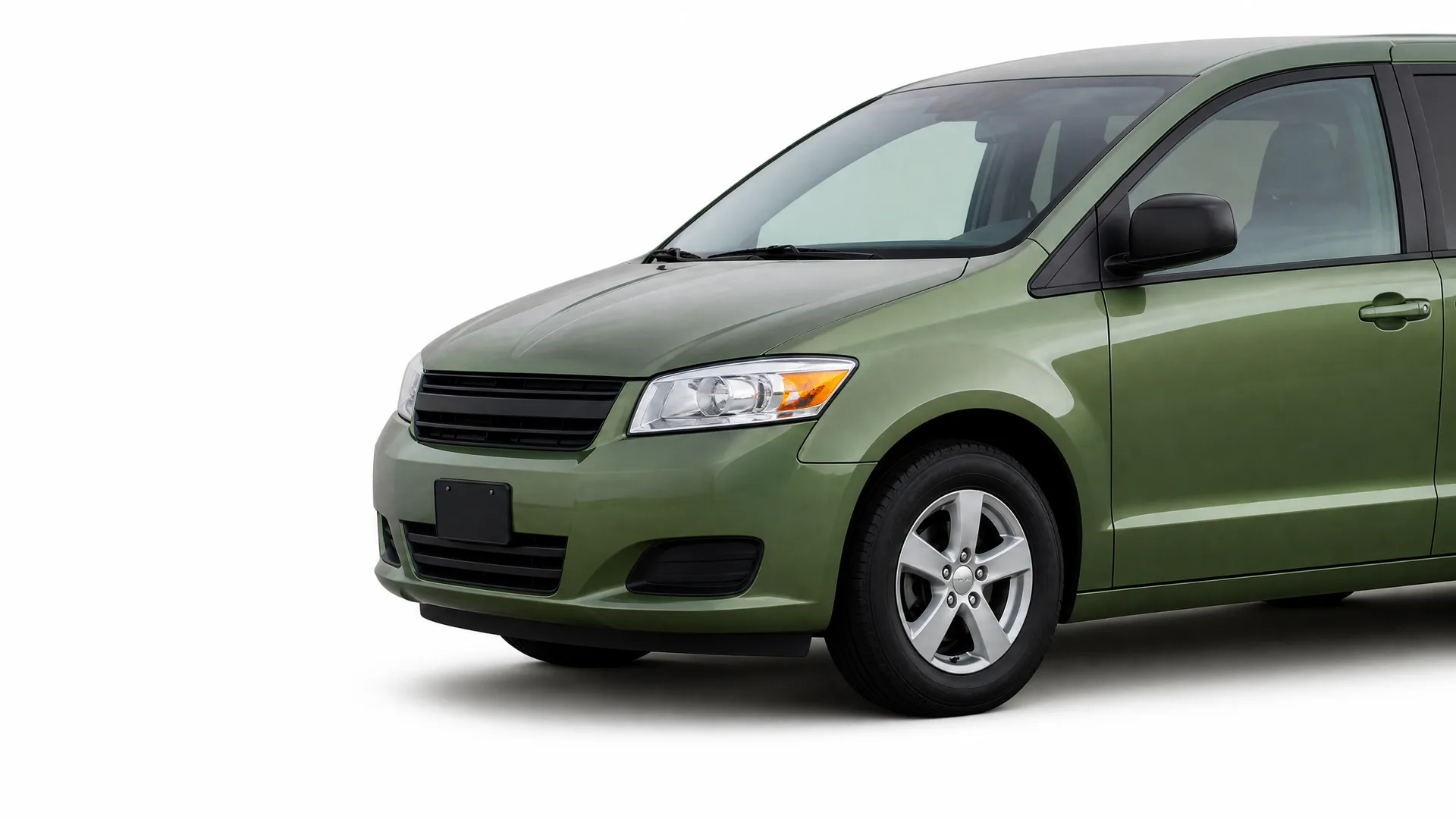
A higher renewal is a pricing problem to solve, not a reason to stop driving or stop insuring your car.
Will canceling car insurance affect my future rates?
Yes, if you cancel and later want coverage again, insurers may treat the gap as a risk factor and charge more. This matters most if you plan to keep driving at all going forward. Check with insurers directly about how they treat lapses before deciding, since policies on this vary by company and by state.
Can I pause my car insurance instead of canceling it?
Some insurers allow you to reduce coverage temporarily rather than cancel outright, especially if you're not driving for a stretch of time. This keeps your policy active and avoids a lapse while lowering what you pay. Ask your insurer specifically what pausing options exist, since not every company offers this the same way.
What happens to my insurance if I stop driving but keep the car?
You'll likely still need some coverage even if the car just sits in a garage, since most states require insurance to keep it registered. Ask your insurer about reduced coverage for a car that's not being driven regularly, which usually costs less than full coverage. What's required depends entirely on your state, so check before assuming you can drop it completely.