Is Comprehensive Auto Coverage Worth It
For most drivers in their late 70s and 80s still relying on their car daily, comprehensive coverage is worth keeping.
It protects the car you depend on, not just the one you're driving
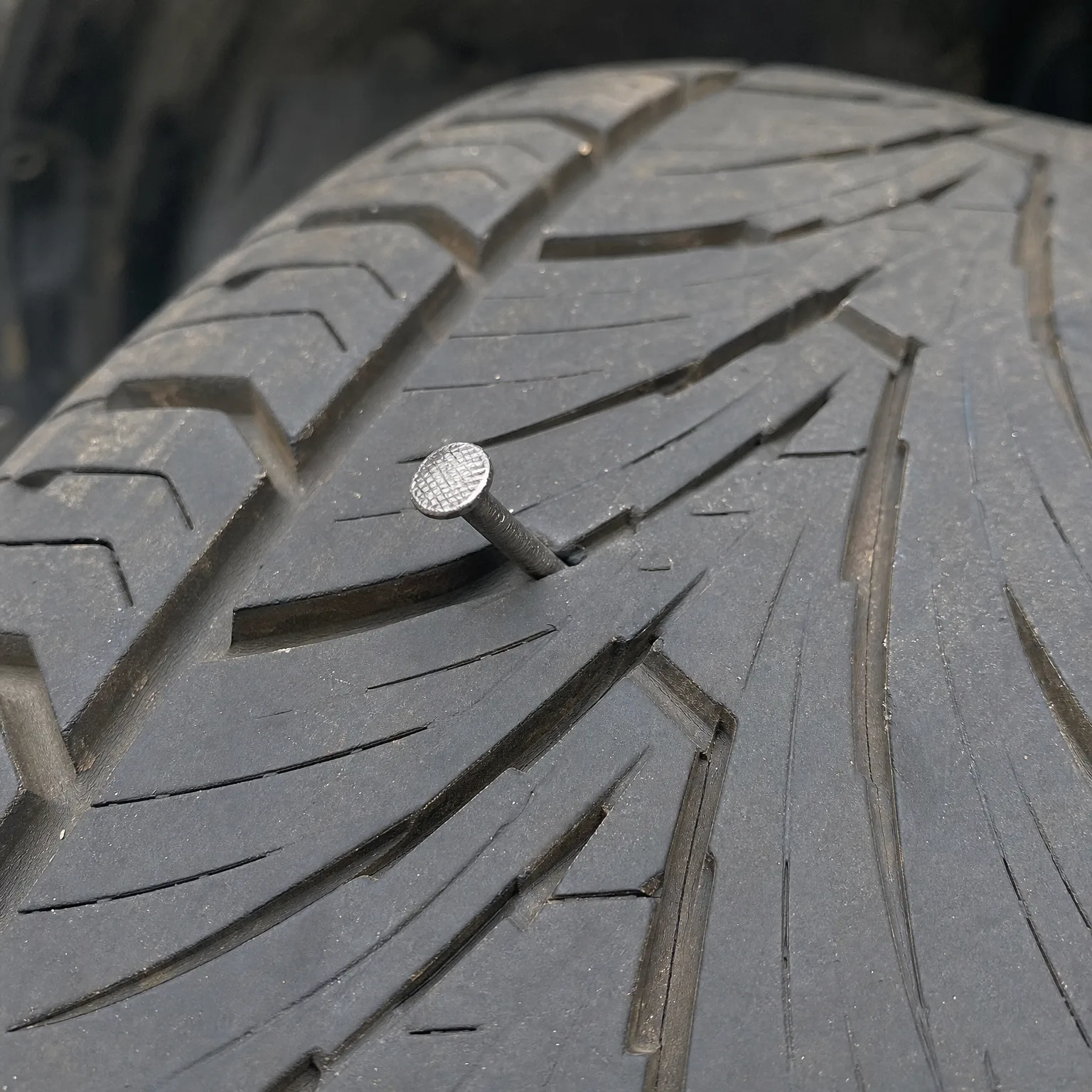
Comprehensive coverage pays for damage to your car that isn't from a collision. Fire, theft, a falling tree branch, a cracked windshield from a rock on the highway, hail, hitting a deer. None of these involve another driver, so your liability coverage won't touch them. Comprehensive is what pays.
The question of whether it's worth it comes down to what replacing your car would cost you versus what the coverage itself costs you each year. If your car has real value and you'd struggle to replace it out of pocket on short notice, comprehensive is doing real work for you. If your car is older and worth very little, the math shifts because the payout in a total loss is based on the car's current value, not what you paid for it.
For a driver who still uses their car for errands, church, doctor visits, and seeing people, losing that car suddenly isn't just a financial hit. It's a gap in how you live. That's worth weighing alongside the premium, because a cheaper policy that leaves you without a car for weeks isn't actually saving you anything.
Some lenders require comprehensive coverage if your car is financed or leased, so check your loan terms if that applies to you. If your car is paid off, the decision is entirely yours, and it should rest on what losing the car would mean for you, not on a general rule about age or how long you've had your license.
What to check before you decide either way
- Your car's current value Look up what your specific car is worth now, not what you paid. A low value changes whether comprehensive pays off relative to what you'd spend on premiums.
- Your deductible amount A higher deductible lowers your premium but raises what you pay out of pocket when something happens. Pick a number you could actually afford to pay today.
- Where you park and drive Theft, weather, and animal strikes vary by location. If you park outside in an area with hail, deer, or break-ins, comprehensive matters more than it might elsewhere.
- Your emergency savings If you could replace your car in cash without strain, comprehensive matters less. If a sudden loss would be a real problem, the coverage is doing something important.
- Your loan or lease terms If your car is financed, check whether the lender requires comprehensive coverage. If it's paid off, the decision is yours and should match your own finances.

Keeping comprehensive coverage versus dropping it
If you do
If something happens to your car, fire, theft, hail, a deer, you file a claim and pay your deductible. The insurer covers the rest based on your car's current value. You keep driving with minimal disruption. You pay a premium every year whether or not you ever use it, and that's the tradeoff.
If you don't
You save the premium every year. But if your car is damaged by something other than a collision, you pay the full repair or replacement cost yourself. For an older car worth little, that's a small risk. For a car you rely on daily, it could mean weeks without a way to get around.
Knowing your car's worth and what losing it means, compare quotes to find the right comprehensive coverage.

Does dropping comprehensive affect my license or ability to keep driving?
No. Comprehensive coverage is entirely separate from your driver's license and your state's license renewal process. Dropping it doesn't trigger any review of your driving record, your health, or your fitness to drive. It only affects what happens financially if your car is damaged by something other than a collision.
License renewal requirements, including any vision tests, in-person visits, or shorter renewal periods for older drivers, are set by your state's motor vehicle agency and have nothing to do with which coverages you carry on your policy. Your insurer doesn't report your coverage choices to that agency, and your agency doesn't report your driving status to your insurer in a way that changes your comprehensive coverage specifically. These are two separate systems, and decisions in one don't drive decisions in the other.
This isn't about being safe enough to drive. It's about what losing your car would cost you and your routine.